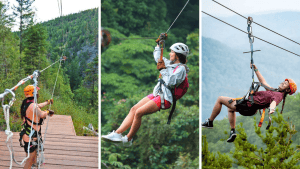
Summer is the perfect time for students and young adults to explore, learn, and make unforgettable memories. In 2026, young people are seeking activities that are fun, affordable, and provide opportunities for personal growth and social connection. A summer bucket list helps organize experiences, ensuring a mix of adventure, relaxation, and skill-building throughout the season.
Creating a bucket list encourages planning, goal-setting, and trying new things. Simple activities can include outdoor adventures, cultural experiences, hobbies, and creative projects. Below are 8 simple summer bucket list ideas specifically for students and young adults to enjoy in 2026.
1. Explore Local Parks and Nature Trails
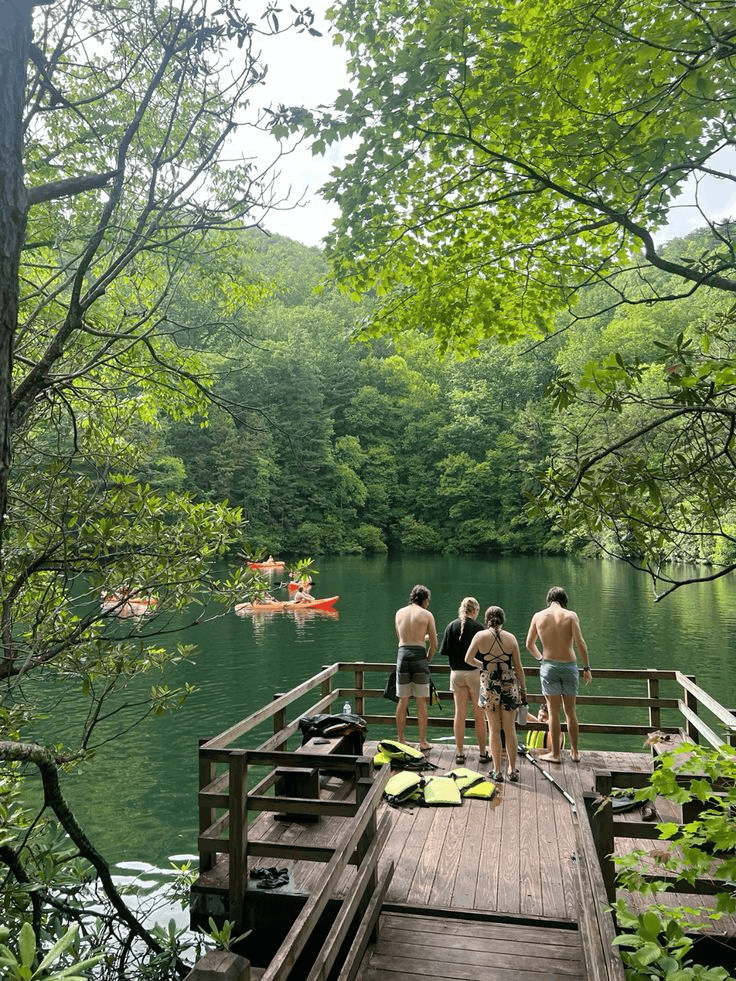
Visit nearby parks, forests, or lakes for hiking, walking, or casual picnics. These trips are low-cost and beginner-friendly.
Outdoor exploration promotes physical activity, relaxation, and social time with friends. Observing nature also helps reduce stress and boosts creativity.
2. Attend Local Festivals or Events
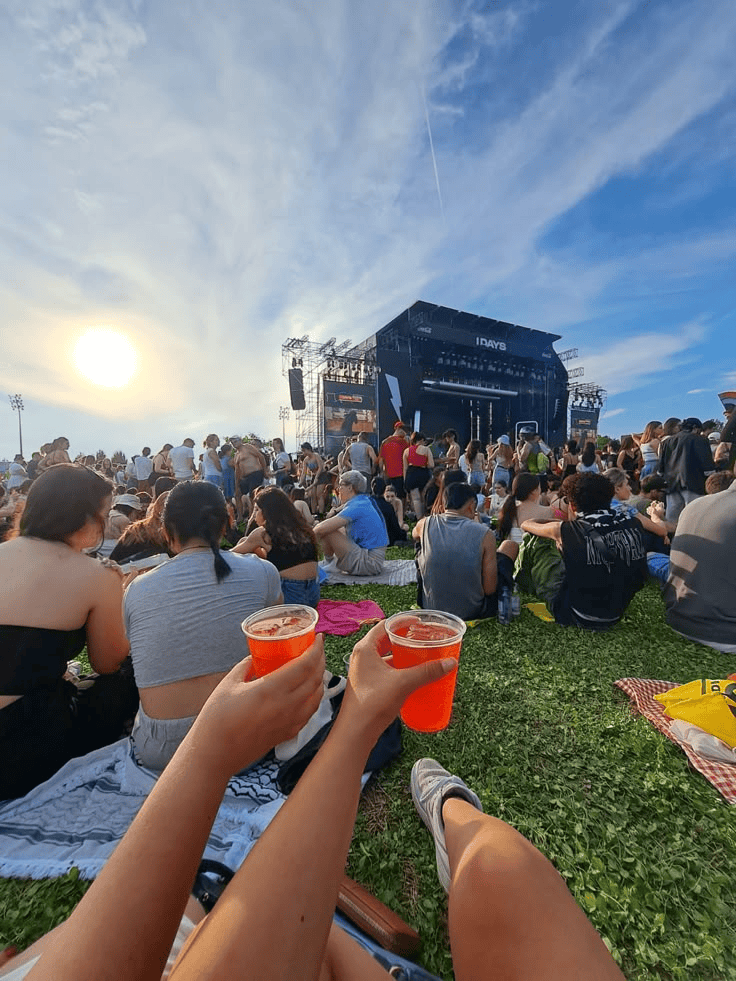
Participate in city fairs, music festivals, or cultural events. Look for free or affordable community gatherings.
Attending events enhances social connections, offers unique experiences, and provides opportunities to explore local culture in a fun environment.
3. Try a New Hobby or Skill
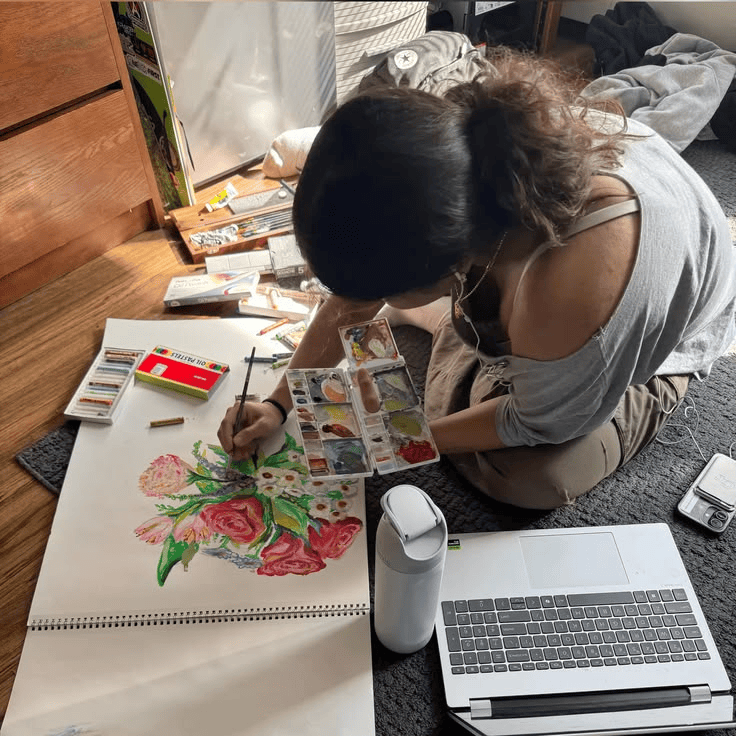
Summer is ideal for learning something new such as photography, cooking, painting, or a sport.
Acquiring new skills increases confidence, creativity, and personal growth while making the summer productive and memorable.
4. Volunteer or Join Community Projects
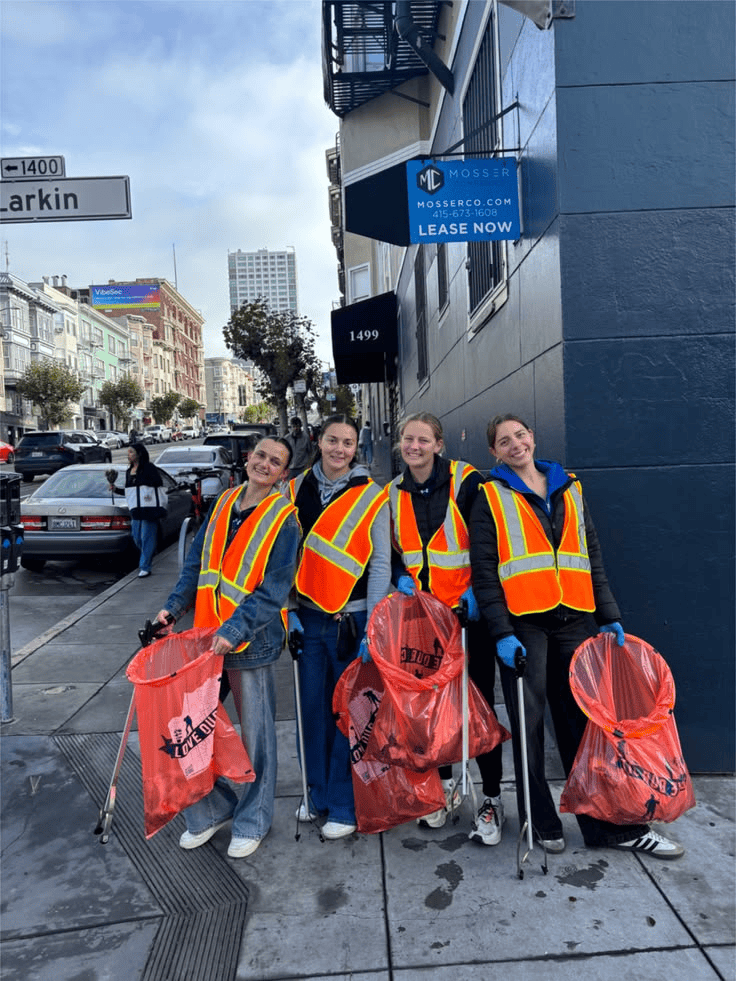
Engage in community service, environmental clean-ups, or charity events. Volunteering provides meaningful experiences and social interaction.
This activity fosters empathy, teamwork, and responsibility while making a positive impact on your local area.
5. Plan a Mini Road Trip or Day Trip
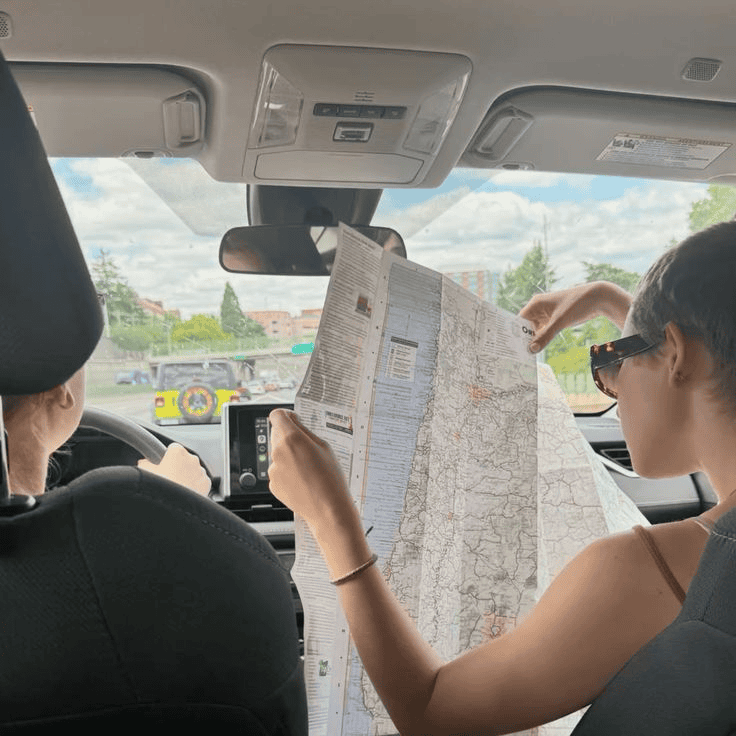
Explore nearby towns, scenic spots, or hidden gems within driving distance. Budget-friendly road trips allow flexible planning.
Trips like these offer adventure, discovery, and shared experiences with friends or fellow students without requiring expensive travel.
6. Participate in Outdoor Sports or Fitness Challenges
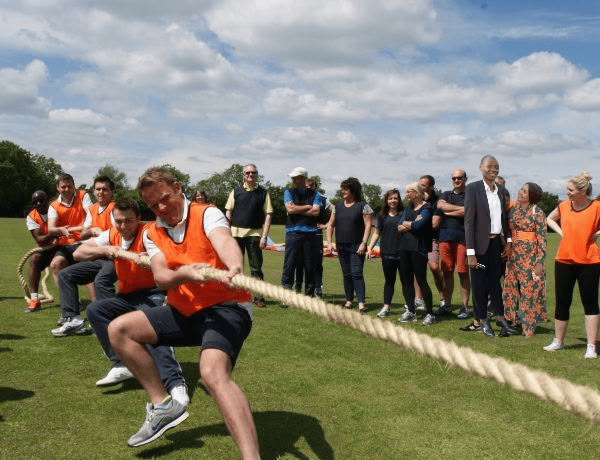
Engage in swimming, cycling, yoga, or group sports. Outdoor exercise combines fun, health, and social engagement.
Fitness challenges keep motivation high and help develop discipline while enjoying nature and good weather.
7. Explore Arts, Museums, or Local Exhibits
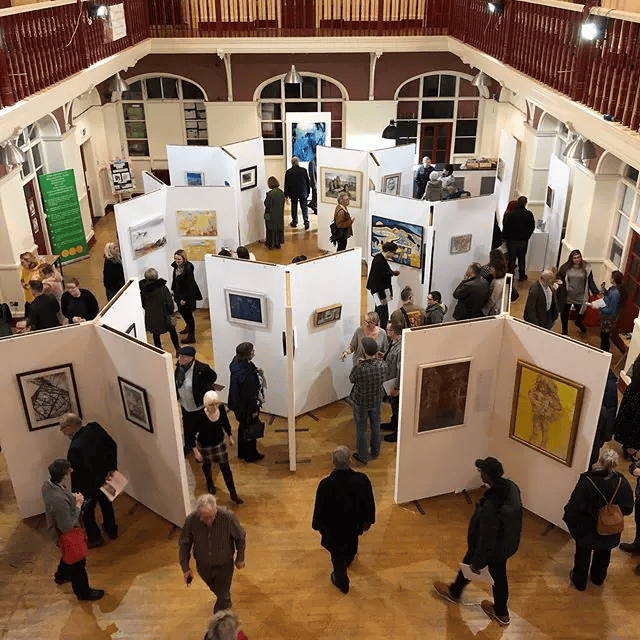
Visit museums, galleries, or interactive exhibits, often with discounted student admission. Explore art, history, and science in a hands-on way.
These cultural experiences expand knowledge, creativity, and appreciation for arts and local heritage.
8. Host Social Gatherings or Creative Projects
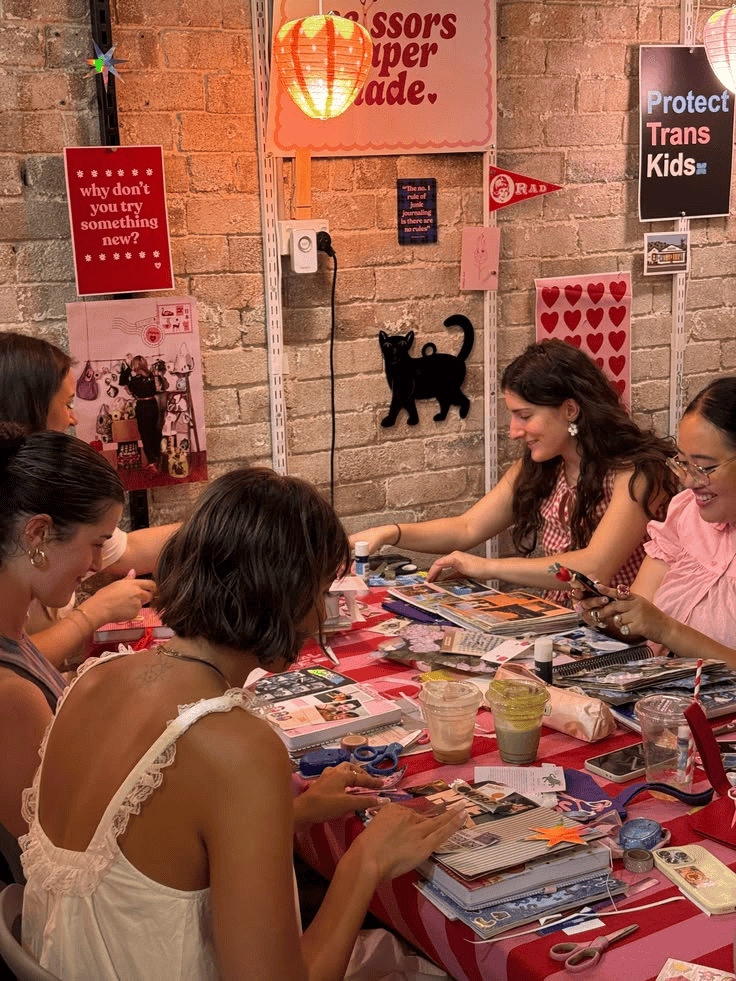
Organize a small picnic, themed gathering, or DIY project with friends. Incorporate music, games, or collaborative activities.
Such activities strengthen friendships, enhance teamwork, and create lasting summer memories.
Summary
A summer bucket list for students and young adults in 2026 can combine adventure, creativity, learning, and social activities. Exploring nature, attending festivals, learning new skills, volunteering, taking day trips, engaging in sports, visiting museums, and hosting gatherings provide a balanced mix of fun and personal growth. These 8 ideas make summer exciting, memorable, and meaningful while offering safe and accessible opportunities for young people.
FAQ
1. Are these activities suitable for students on a budget?
Yes, most ideas are low-cost or free and can be adapted to fit small budgets.
2. Can solo students participate in these activities?
Yes, many activities like hiking, volunteering, or museum visits are perfect for solo exploration.
3. How can I make my summer bucket list effective?
Mix adventure, learning, creativity, and social activities, and set achievable goals.
4. Are these ideas safe during summer?
Yes, with proper preparation, hydration, and awareness of local conditions, these activities are safe.
5. Can these activities help with personal growth?
Absolutely. Trying new hobbies, volunteering, and cultural exploration enhance skills, confidence, and awareness.
6. Do these activities require prior experience?
No, they are designed for beginners and are flexible for students or young adults of all skill levels.