
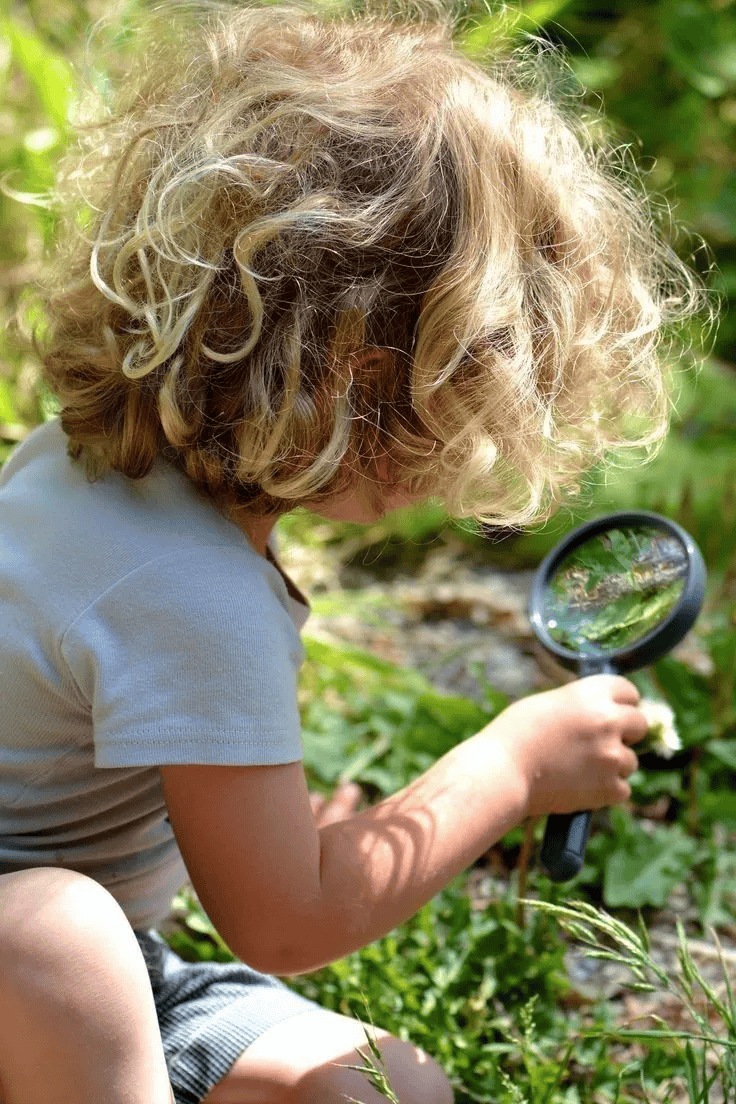
Learning about animals is a fun and educational activity for families, but beginners often make mistakes that reduce the effectiveness or safety of these experiences. In 2026, many parents and children are engaging in wildlife observation, pet care, and outdoor exploration, making it essential to understand common pitfalls. Avoiding these mistakes ensures enjoyable, informative, and safe learning experiences while fostering respect for animals and their habitats.
Animal learning activities can include backyard wildlife observation, zoo visits, nature walks, and pet interactions. Families who are unprepared or overlook important considerations may encounter frustration, safety issues, or missed learning opportunities. By recognizing and correcting these common mistakes, families can create engaging and meaningful animal learning experiences.
1. Lack of Proper Supervision

Not supervising children closely during animal activities can lead to safety risks, especially around pets, wildlife, or outdoor settings.
Close supervision ensures children follow safety rules, handle animals gently, and avoid harmful interactions. Adults can guide observation, answer questions, and ensure respectful treatment of animals.
2. Ignoring Safety Precautions
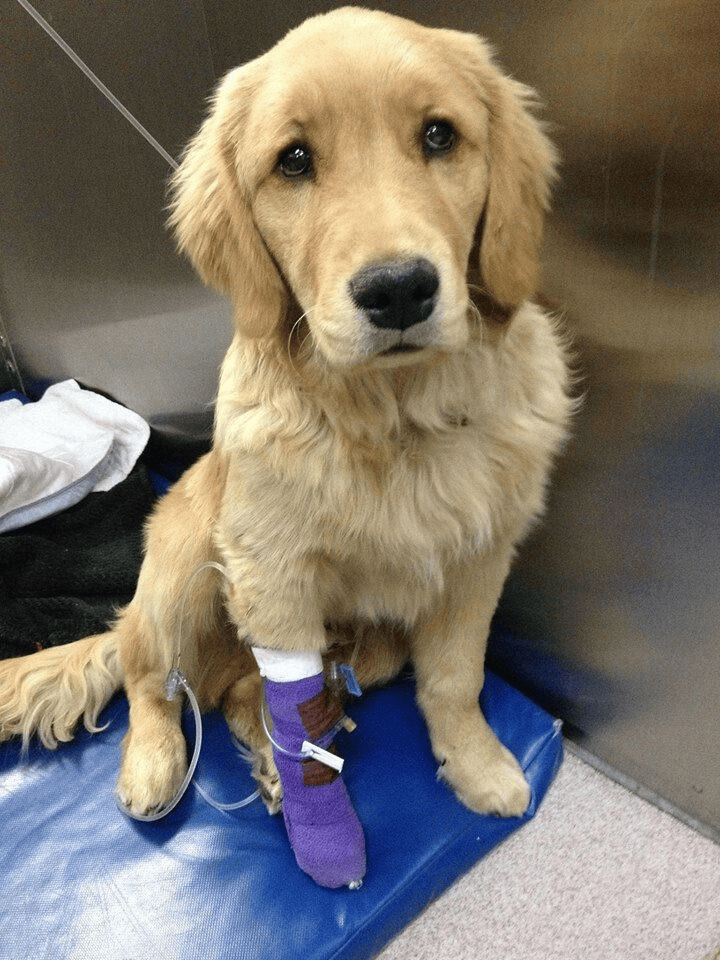
Failing to follow basic safety measures, like wearing gloves, staying on trails, or washing hands after handling animals, can lead to injuries or illnesses.
Families should prioritize safety, provide protective gear, and teach children proper hygiene to prevent accidents and health issues during activities.
3. Overwhelming Children with Complex Information

Providing too much technical detail or advanced biological concepts can overwhelm young learners.
Presenting information in simple, age-appropriate terms ensures children understand and retain key concepts. Focus on fun facts, observation skills, and interactive learning to engage them effectively.
4. Disturbing Wildlife or Habitats
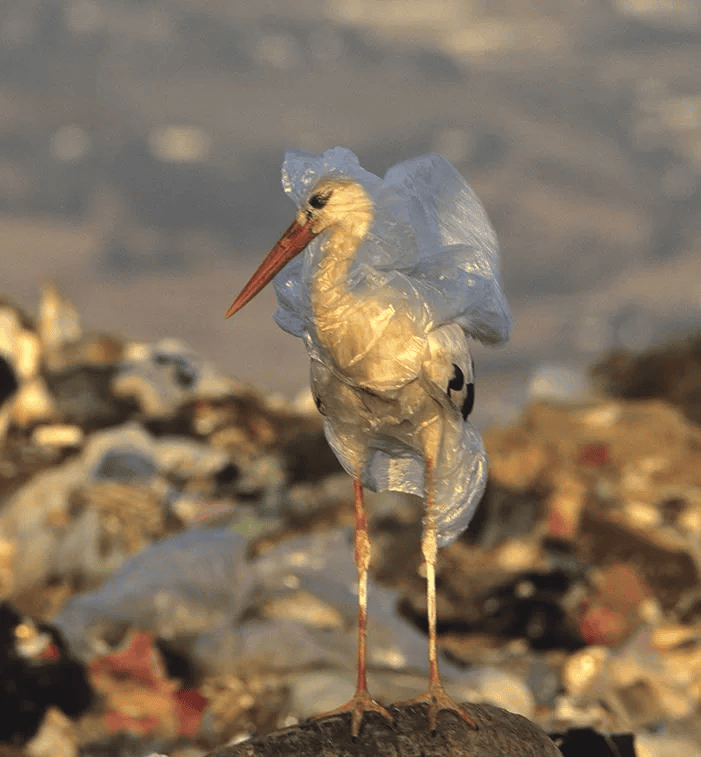
Approaching wild animals too closely, touching nests, or leaving trash disrupts ecosystems and stresses wildlife.
Families should maintain distance, observe quietly, and follow Leave No Trace principles to protect habitats and teach children environmental respect.
5. Skipping Preparation
Not preparing equipment, maps, water, snacks, or appropriate clothing can make activities uncomfortable or unsafe.
Preparation ensures comfort, safety, and enjoyment. Bringing binoculars, journals, or cameras enhances engagement and learning opportunities.
6. Relying Solely on Digital Devices

Overusing phones or screens for learning can reduce hands-on engagement and real-world observation.
Families should balance digital resources with direct observation, crafts, and outdoor exploration. Interactive and tactile experiences reinforce learning and curiosity.
7. Being Impatient with Observations

Expecting immediate results or not allowing time for animals to appear can lead to frustration.
Patience is crucial in observing wildlife. Teaching children to wait quietly improves focus, attention to detail, and appreciation for natural behavior.
8. Failing to Teach Respectful Animal Handling
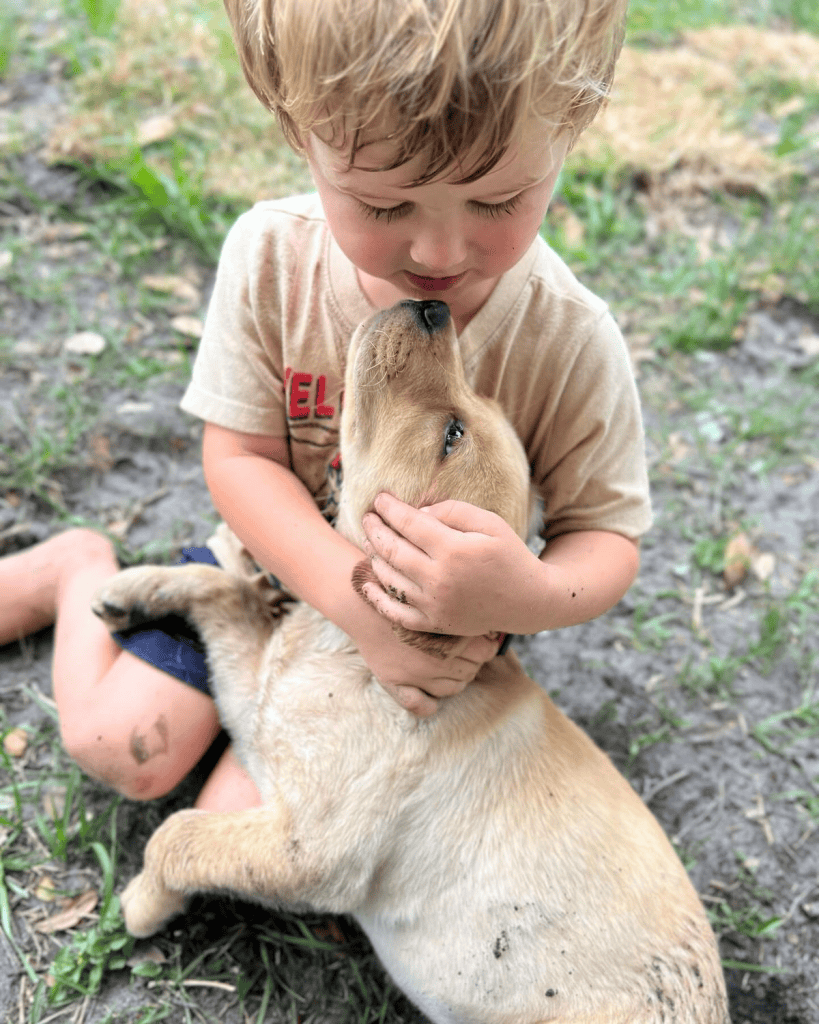
Improper handling of pets or wildlife can cause harm to animals and discourage empathy in children.
Families should demonstrate gentle handling, positive reinforcement, and boundaries. Respectful interactions promote safety, understanding, and trust.
9. Skipping Reflection or Discussion
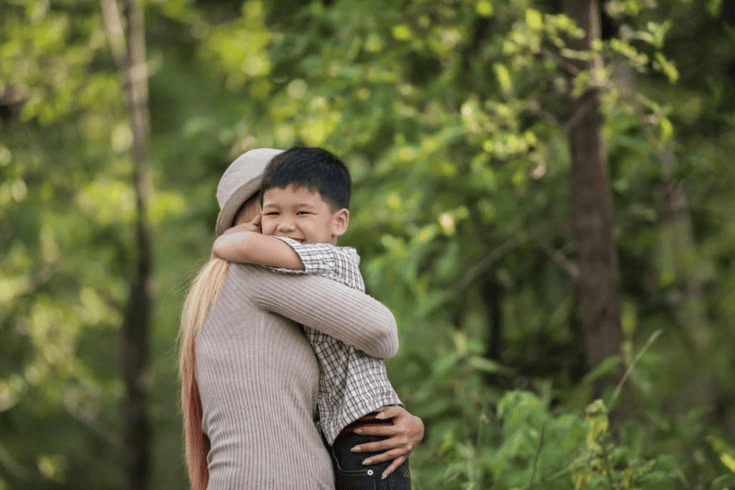
Not discussing observations, asking questions, or encouraging journaling misses an opportunity to reinforce learning.
Reflection and discussion help children process experiences, retain knowledge, and deepen understanding of animal behavior and habitats.
10. Ignoring Environmental Context
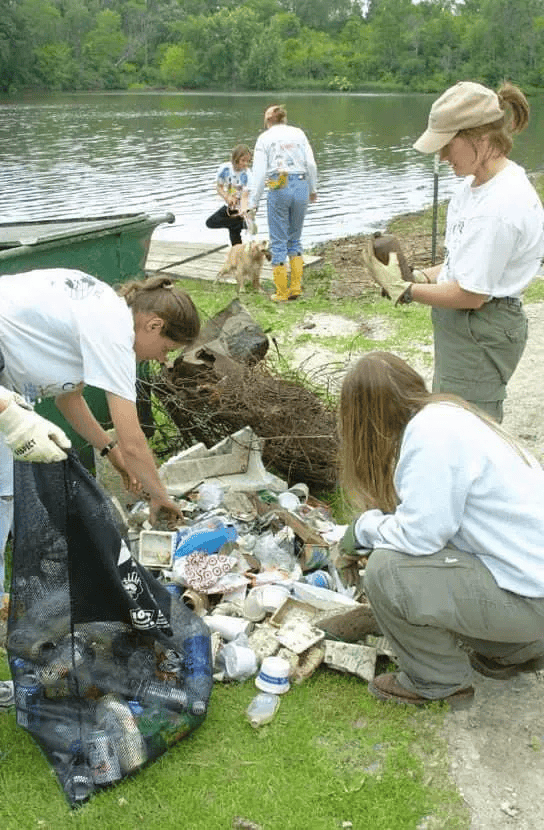
Focusing only on the animal without considering its habitat, food sources, or role in the ecosystem limits comprehension.
Teaching children about ecological context encourages holistic understanding, environmental responsibility, and curiosity about interconnected systems.
Summary
Avoiding common mistakes during animal learning activities ensures families have safe, engaging, and educational experiences. Proper supervision, safety measures, age-appropriate explanations, habitat respect, preparation, patience, and reflection enhance both enjoyment and learning. By correcting these 10 mistakes, parents and children can foster curiosity, empathy, and knowledge about animals and their environments in 2026.
FAQ
1. What is the most common mistake during animal learning?
Lack of supervision and safety precautions are the most frequent issues.
2. How can children safely observe wildlife?
Maintain distance, avoid touching animals, and follow trail rules.
3. Should digital resources be used?
Yes, but balance them with hands-on observation and outdoor exploration.
4. Why is patience important in animal learning?
Animals may take time to appear; patience teaches observation skills and focus.
5. How can families respect animal habitats?
Avoid disturbing nests, stay on trails, and follow Leave No Trace principles.
6. Should families discuss observations after activities?
Yes, reflection and discussion reinforce learning, curiosity, and understanding.