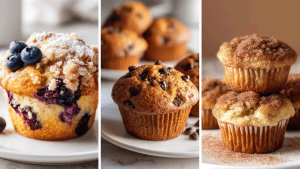
Baking at home in 2026 has become one of the most popular hobbies for beginners who want to enjoy fresh, homemade food while learning a relaxing and creative skill. From soft cakes and cookies to simple bread and muffins, baking allows you to experiment with basic ingredients and turn them into delicious results. However, for beginners, baking can sometimes feel confusing because it requires accuracy, timing, and the right techniques. Understanding the basics early can help you avoid common mistakes and build confidence in the kitchen.
The good news is that baking does not have to be complicated. With a few smart habits, anyone can improve their results and enjoy consistent success. Learning how ingredients work together, how to control oven temperature, and how to prepare properly makes a huge difference. These simple skills help beginners avoid frustration and enjoy the process. Below are 10 best baking tips for beginners at home in 2026 to help you bake better, smarter, and more confidently.
1. Read the Full Recipe Before Starting
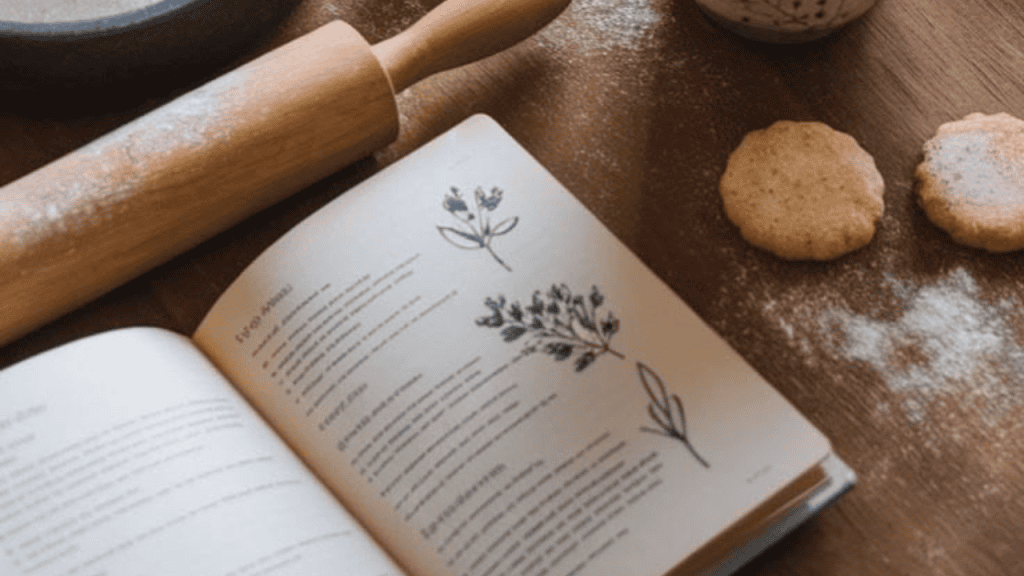
One of the biggest beginner mistakes is starting without understanding the full recipe. Always read the entire instructions first so you know the ingredients, steps, and timing involved. This helps you prepare mentally and avoid missing important steps during baking.
When you understand the process ahead of time, you can organize your ingredients and tools properly. This reduces stress and makes baking smoother and more enjoyable. Preparation is the first step to success in baking.
2. Measure Ingredients Accurately
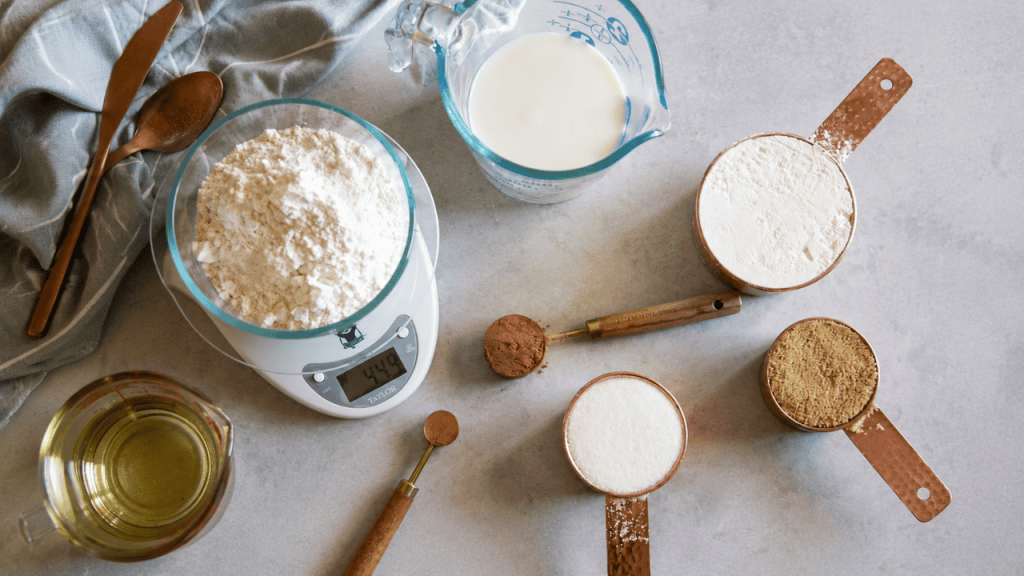
Accurate measurement is essential in baking because even small changes can affect texture and taste. Unlike cooking, baking is a science where balance matters.
Use measuring cups for dry ingredients and liquid measuring cups for wet ingredients. A kitchen scale is even better for precision. Correct measurements ensure your cakes rise properly and cookies have the right texture.
3. Use Fresh and Quality Ingredients
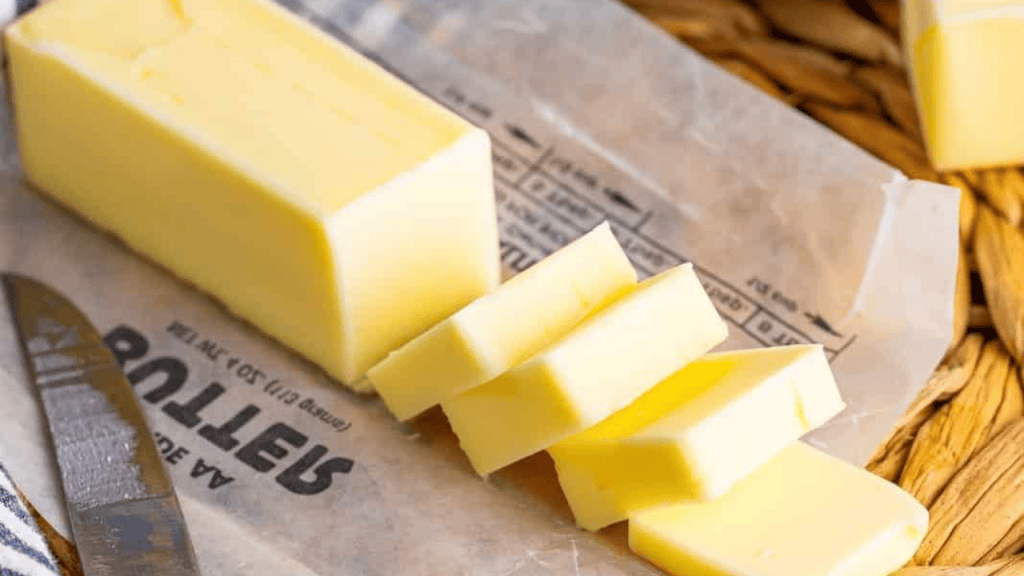
Fresh ingredients play a major role in baking success. Expired baking powder, old flour, or stale butter can ruin your final result.
Always check expiration dates and store ingredients properly. Fresh eggs, good-quality butter, and active baking agents help improve flavor, texture, and appearance. Better ingredients always lead to better results.
4. Preheat Your Oven Properly
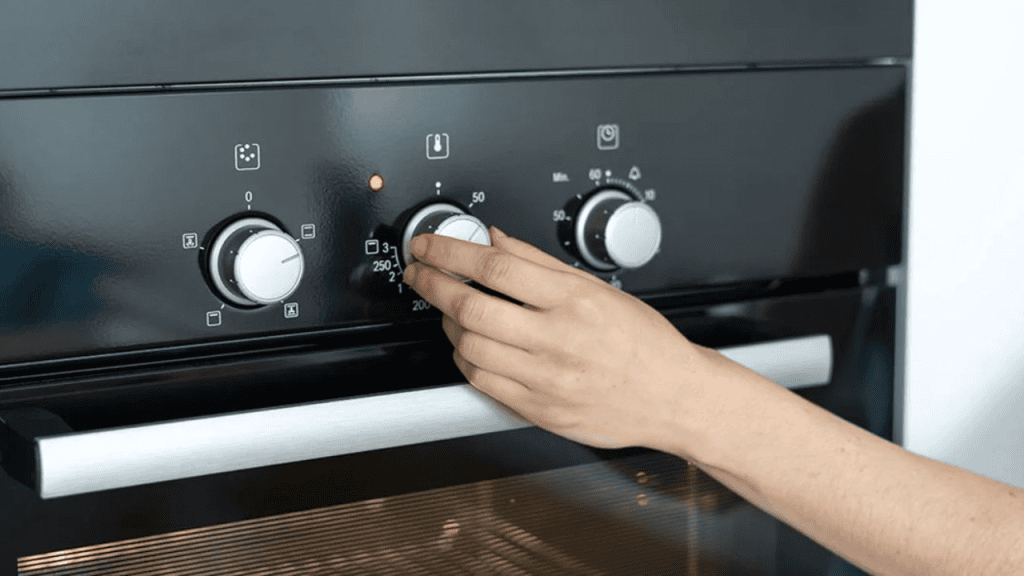
Preheating the oven ensures even baking from the start. If you place batter into a cold oven, it can affect rising and texture.
Always wait until the oven reaches the correct temperature before baking. This helps cakes rise evenly and cookies bake consistently. Using an oven thermometer can improve accuracy.
5. Avoid Overmixing the Batter
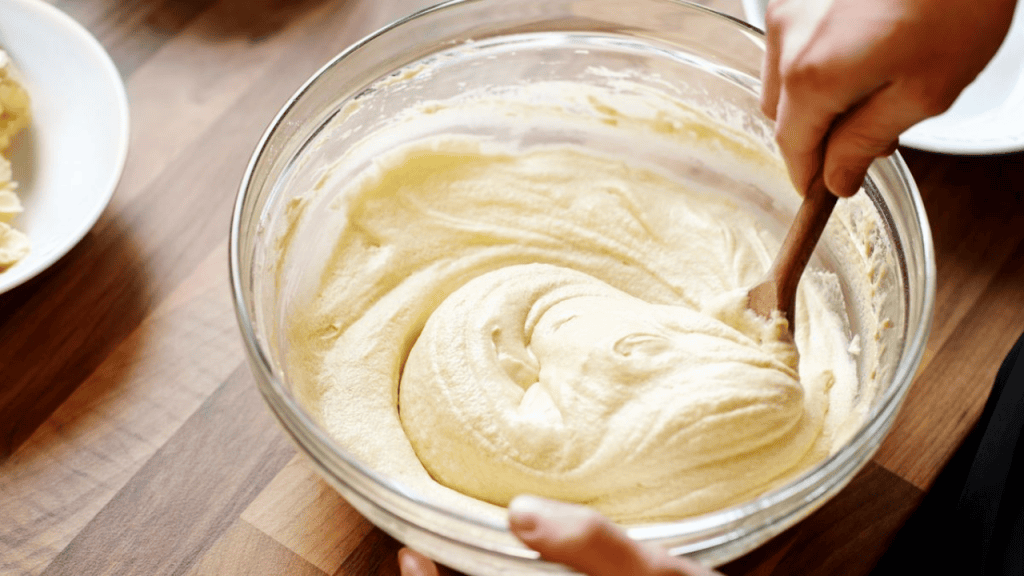
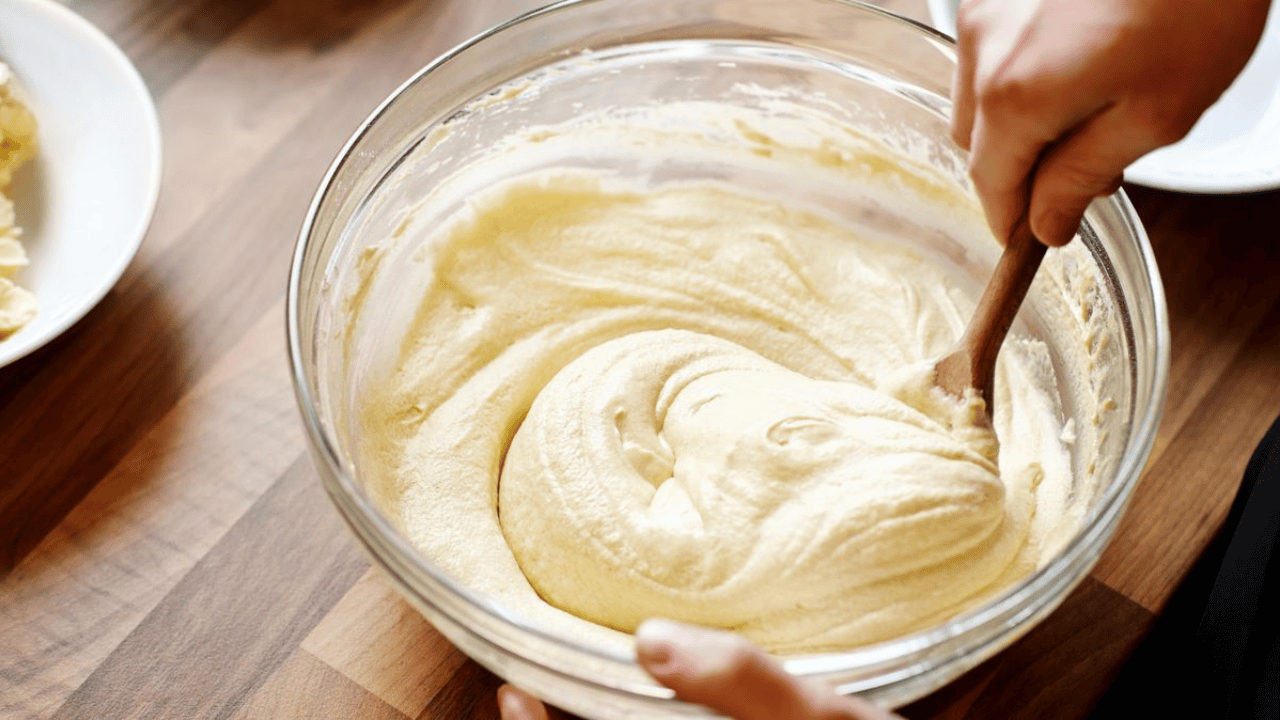
Overmixing is a common mistake that makes baked goods dense and tough. It develops too much gluten in the flour, especially in cakes and muffins.
Mix ingredients just until combined. Gentle folding helps keep the batter light and airy. This is especially important for soft cakes and fluffy muffins.
6. Prepare Baking Pans Correctly
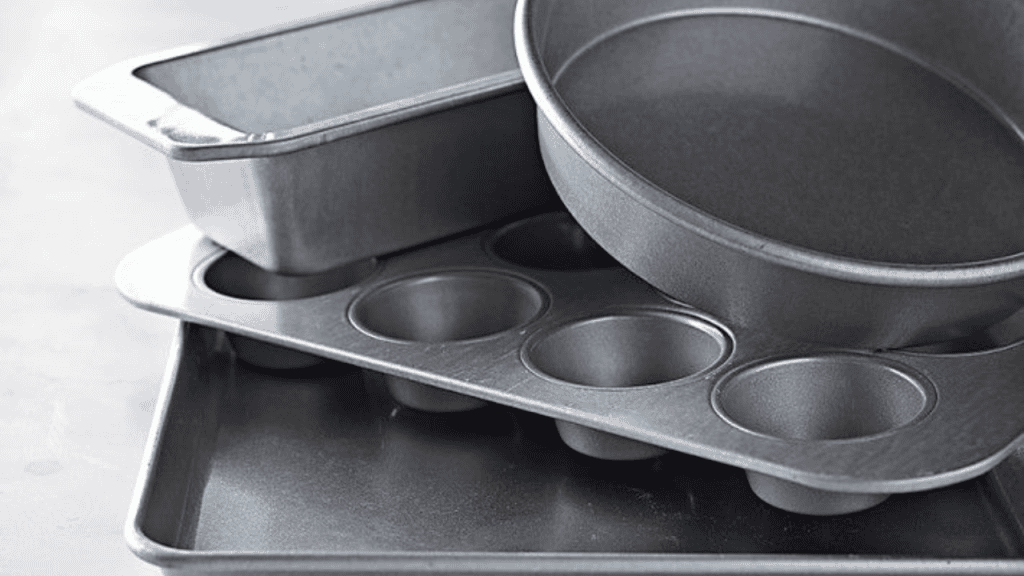
Properly preparing your baking pans prevents sticking and helps your baked goods come out cleanly. Use butter, oil, or parchment paper to line pans.
Choosing the correct pan size is also important. Using the wrong size can affect baking time and texture. Proper preparation ensures better shape and easier cleanup.
7. Follow Baking Time Carefully

Timing is very important in baking. Every oven behaves differently, so always check your baked goods a few minutes before the suggested time.
Overbaking can make cakes dry, while underbaking can leave them raw inside. Use a toothpick test to check doneness. Proper timing ensures perfect texture.
8. Let Baked Goods Cool Properly
Cooling is an important step that many beginners ignore. Cutting or decorating too early can ruin texture.
Allow cakes and cookies to cool on a wire rack. This helps air circulate and prevents sogginess. Proper cooling improves flavor and structure.
9. Start with Simple Recipes First
Beginners should start with easy recipes like cookies, muffins, or simple sponge cakes. These recipes help you understand basic techniques without stress.
Once you master simple recipes, you can move on to more advanced baking. Practice builds confidence and improves your baking skills over time.
10. Keep Your Workspace Clean and Organized
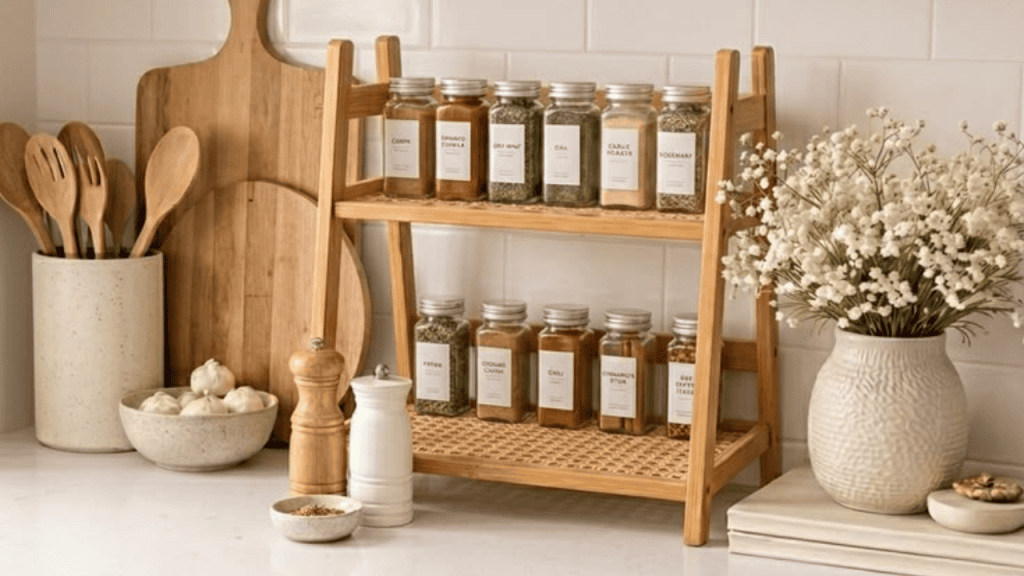
A clean workspace helps you focus and avoid mistakes. Always prepare ingredients before starting and keep tools ready.
Cleaning as you go makes baking easier and more enjoyable. An organized kitchen helps you work faster and more efficiently.
Summary
Baking for beginners in 2026 becomes much easier when you follow simple but effective tips. Reading recipes, measuring correctly, using fresh ingredients, and avoiding overmixing are key to success. Proper oven use, pan preparation, timing, and cooling also play an important role. By starting simple and staying organized, anyone can enjoy baking at home and improve their skills step by step. These tips help beginners create better results while enjoying the process with confidence.
FAQ
1. What is the most important baking tip for beginners?
Reading the recipe and measuring ingredients accurately are the most important steps.
2. Why does my cake turn out dry?
Overbaking or incorrect measurements can cause dryness in cakes.
3. Can I bake without a kitchen scale?
Yes, but a scale improves accuracy and gives better results.
4. Why is preheating important?
It ensures even baking and proper rising of baked goods.
5. What should beginners bake first?
Cookies, muffins, and simple sponge cakes are ideal for beginners.
6. How do I know when baking is done?
Use a toothpick test; it should come out clean or with light crumbs.