Introduction
In today’s fast-paced world, stress has become a common part of daily life. From work pressure and digital overload to busy routines, many people are looking for simple and natural ways to relax and improve mental well-being. One of the most effective and underrated solutions is bringing indoor plants into your living space. Plants do more than decorate a room—they create a calming environment, improve air quality, and help reduce anxiety by connecting us with nature.
Studies and wellness practices suggest that being around greenery can lower stress levels, improve mood, and increase focus. Indoor plants add a sense of peace and freshness to homes, offices, and bedrooms, making spaces feel more balanced and comfortable. The presence of natural elements can also encourage mindfulness and relaxation, helping you feel more grounded. Below are 8 powerful plants known for their stress-reducing and well-being benefits, perfect for creating a calm and healing environment at home.
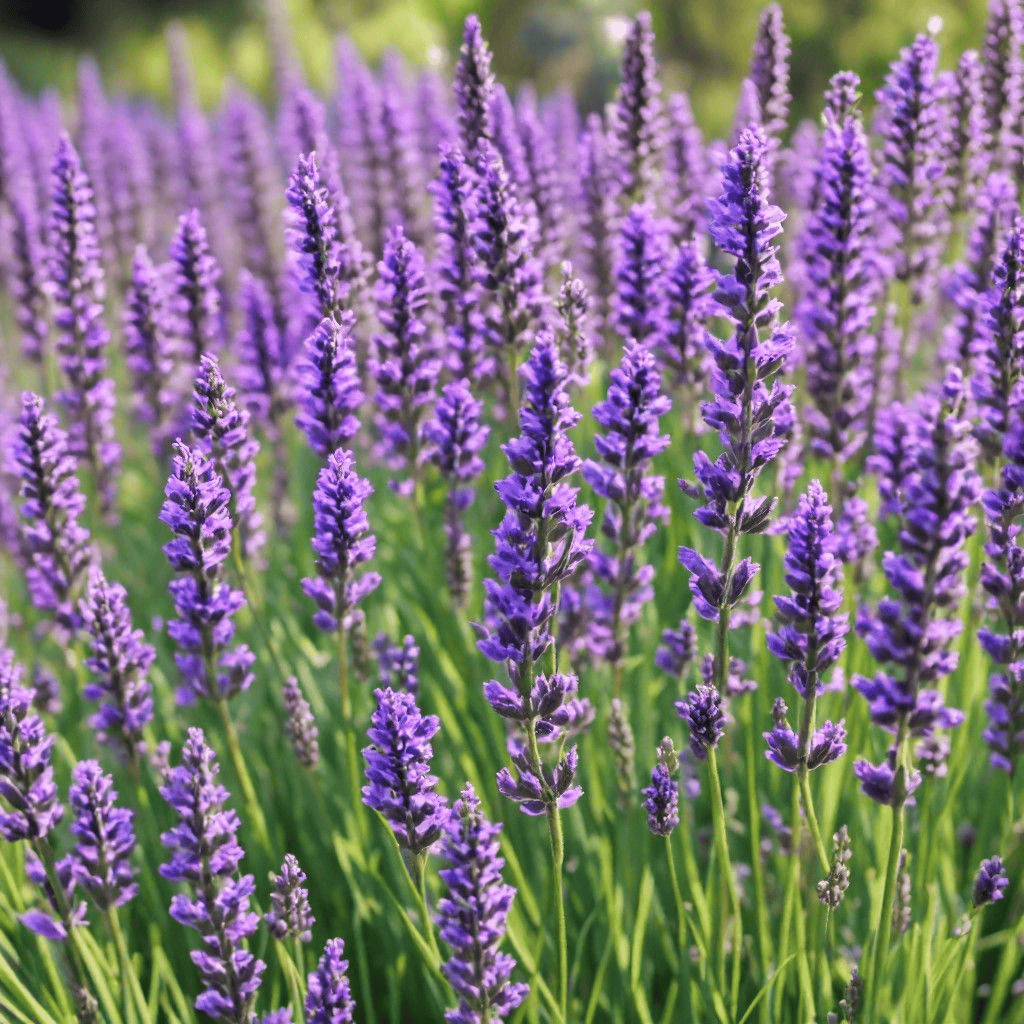
1. Lavender
Lavender is widely known for its calming fragrance and soothing properties. Its soft purple flowers and gentle scent are often used in aromatherapy to reduce anxiety and improve sleep quality.
Keeping lavender indoors or near windows can help create a peaceful atmosphere. The natural aroma is believed to slow heart rate and reduce stress levels. It is especially useful in bedrooms or relaxation spaces where calmness is important. Dried lavender can also be used in sachets or essential oils for added benefits.
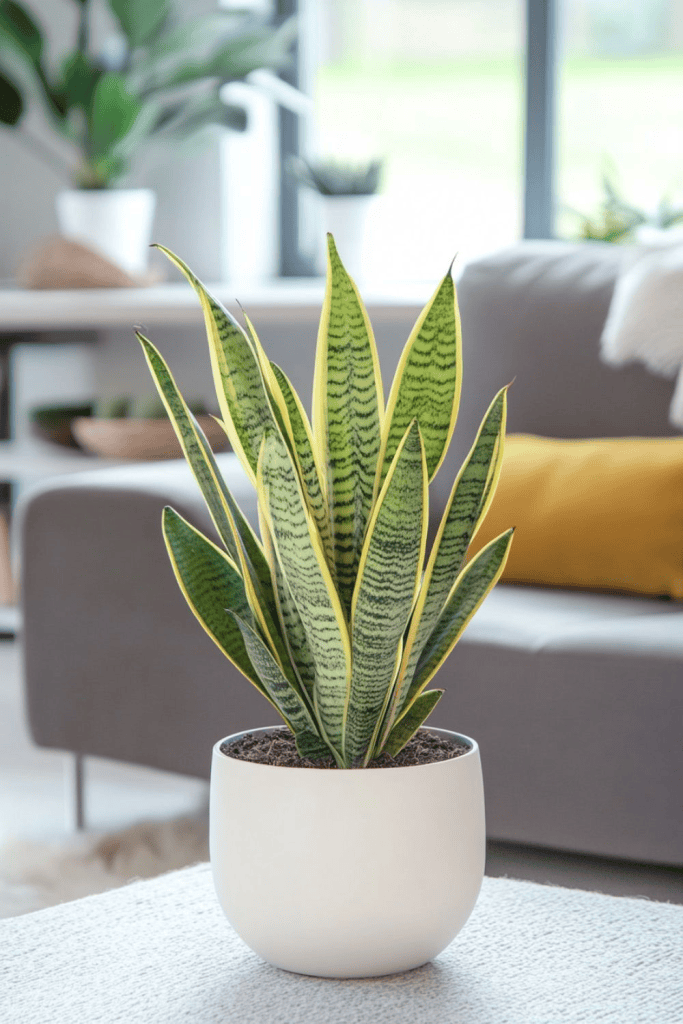
2. Snake Plant
The snake plant is one of the easiest indoor plants to care for and is known for its air-purifying qualities. It releases oxygen at night, which helps improve sleep quality and mental relaxation.
Its tall, structured leaves bring a sense of order and calm to any space. The plant is also believed to remove toxins from indoor air, contributing to a healthier environment. Because it requires minimal maintenance, it is ideal for beginners and busy individuals.
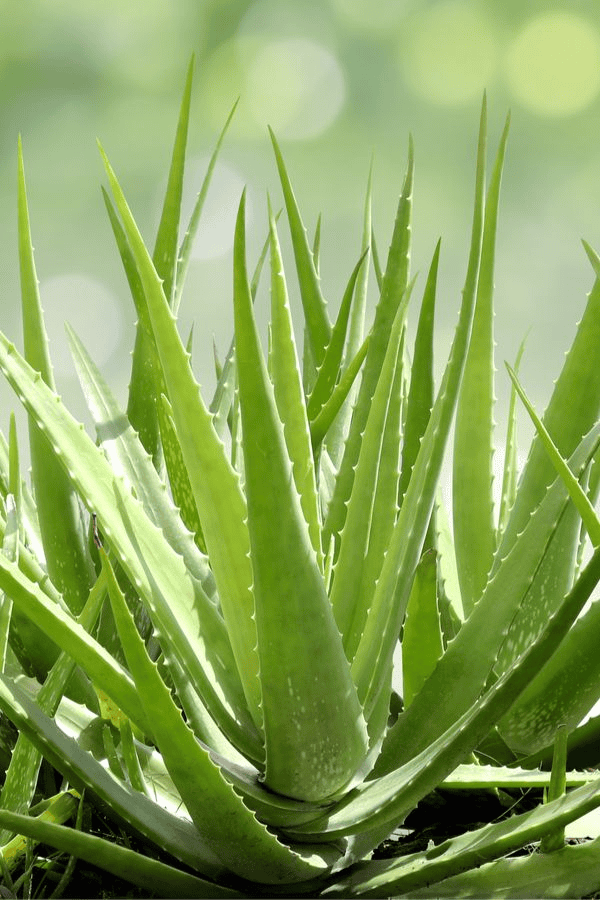
3. Aloe Vera
Aloe vera is both a healing and stress-reducing plant. It is well known for its medicinal gel, which can be used for skin care and minor burns, adding a sense of natural wellness to your home.
The presence of aloe vera in a room helps improve air quality by filtering toxins. Its simple, clean appearance also creates a calming visual effect. Caring for aloe vera is easy, making it a popular choice for stress-free indoor gardening.
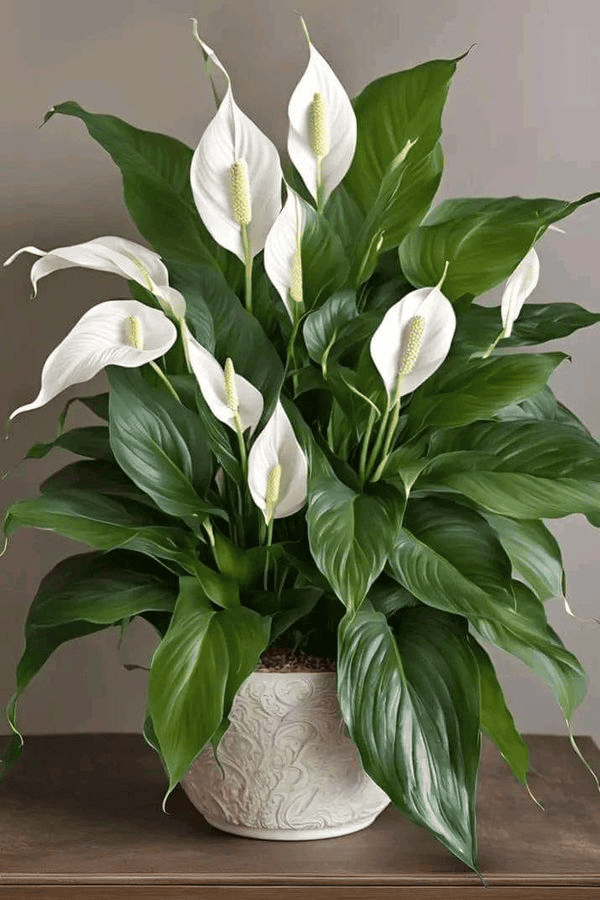
4. Peace Lily
The peace lily is a beautiful indoor plant with elegant white flowers that symbolize calmness and purity. It is known for its ability to remove harmful toxins from the air.
This plant thrives in low-light conditions, making it perfect for bedrooms or offices. Its soft, flowing leaves and gentle appearance help create a relaxing atmosphere. Many people find that peace lilies bring emotional comfort and visual serenity to indoor spaces.
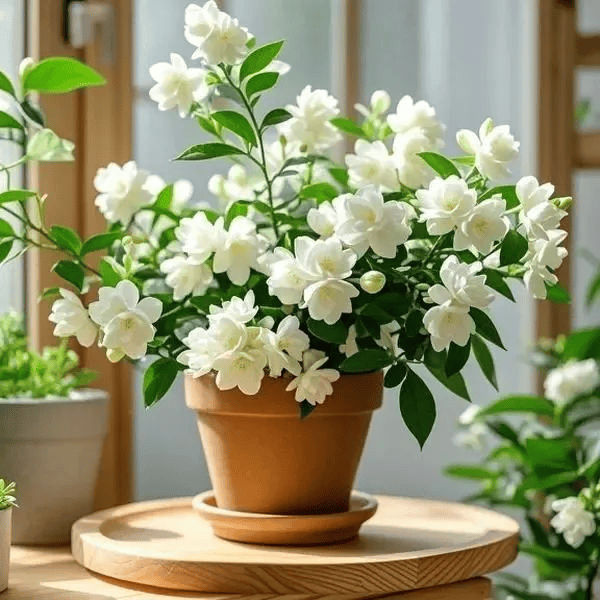
5. Jasmine
Jasmine is a fragrant flowering plant that is often associated with relaxation and improved sleep. Its sweet scent has been shown to reduce anxiety and enhance mood.
Placing jasmine near a window or in a bedroom can help create a soothing nighttime environment. It is also used in teas and aromatherapy for its calming effects. The plant’s delicate white flowers add beauty while supporting emotional well-being.
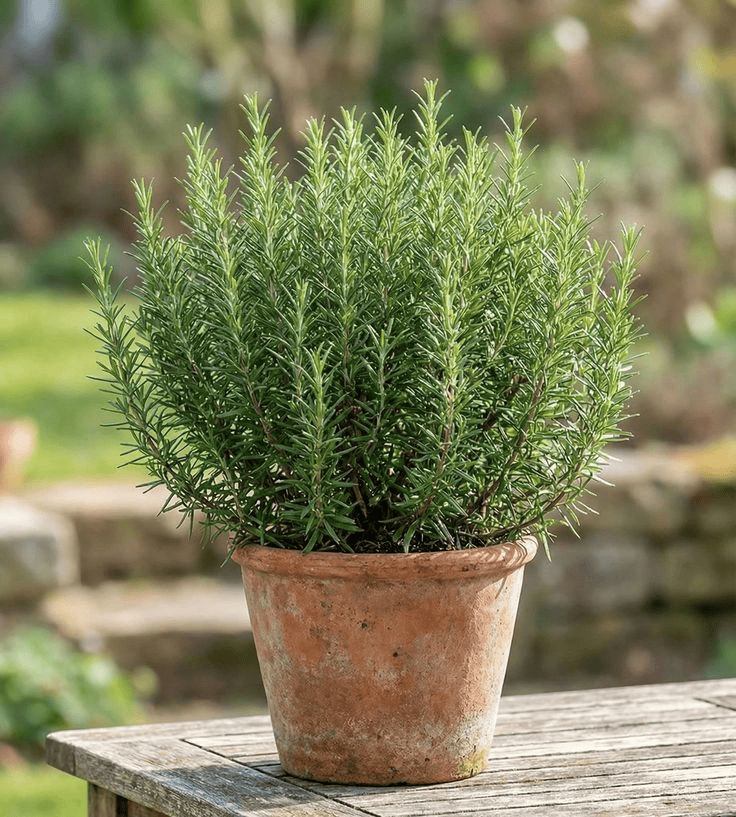
6. Rosemary
Rosemary is a fragrant herb that not only enhances cooking but also supports mental clarity and stress relief. Its strong herbal aroma is believed to improve memory and concentration.
Keeping rosemary in the kitchen or workspace can help boost focus while reducing mental fatigue. The scent is refreshing and energizing, making it a great plant for productivity and balance. It is also easy to grow in pots indoors.
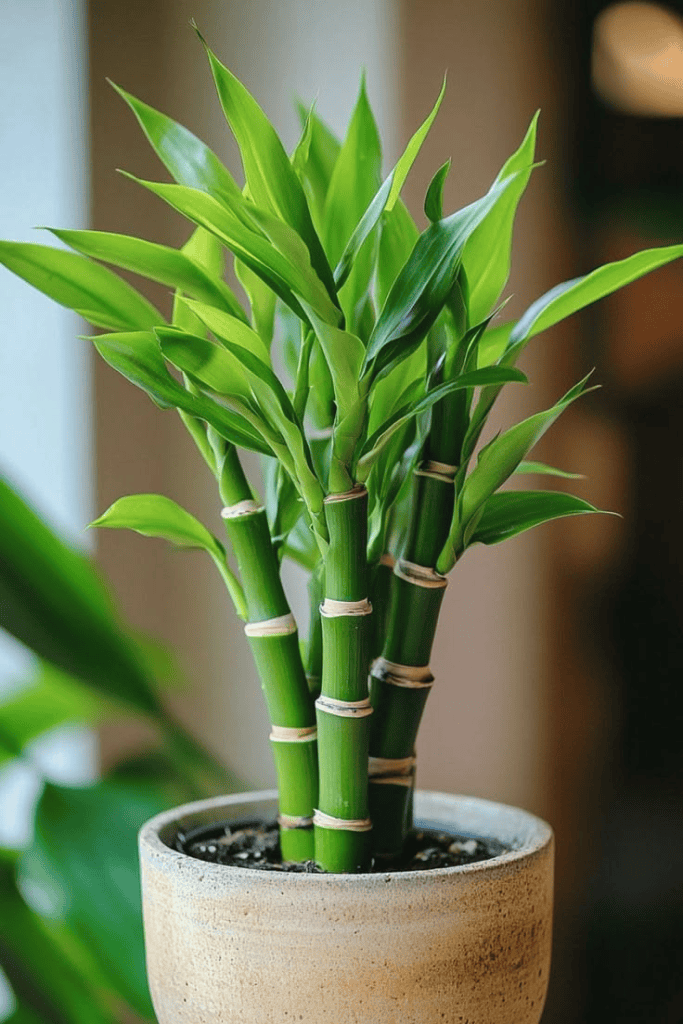
7. Bamboo Plant
Lucky bamboo is a popular indoor plant associated with peace, harmony, and positive energy. It is often used in homes and offices for its symbolic meaning and low-maintenance nature.
The plant’s simple, upright structure creates a clean and calming visual effect. It grows well in water or soil and requires minimal care. Many people believe it brings good luck and emotional balance, making it a favorite for stress relief spaces.
8. Mint
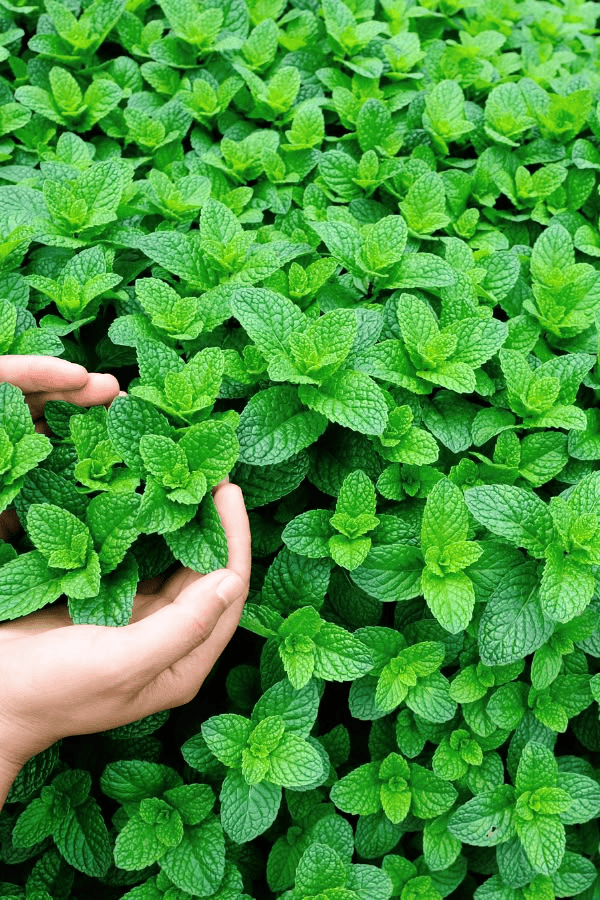
Mint is a refreshing herb with a strong, cooling aroma that helps reduce stress and improve mental clarity. Its scent is known to uplift mood and relieve tension.
Growing mint indoors is easy, and it can also be used in teas, drinks, and cooking. The refreshing fragrance helps create a lively yet calming environment. It is especially useful in kitchens or workspaces where focus and relaxation are needed.
Summary
Indoor plants offer a natural and effective way to reduce stress and improve well-being. From calming lavender and jasmine to air-purifying snake plants and peace lilies, each plant brings unique mental and emotional benefits. By adding these plants to your home or workspace, you can create a peaceful environment that supports relaxation, focus, and overall happiness.
Frequently Asked Questions
How do plants reduce stress?
Plants improve air quality, create calming environments, and promote relaxation through natural scents and greenery.
Which plant is best for anxiety relief?
Lavender and jasmine are widely known for their calming and anxiety-reducing effects.
Can indoor plants improve sleep?
Yes, plants like snake plant, jasmine, and aloe vera can help improve sleep quality.
Are stress-reducing plants easy to care for?
Many of them, like snake plant and aloe vera, require very little maintenance.
Where should I place these plants?
Bedrooms, living rooms, offices, and study areas are ideal locations.
Do plants really improve mental health?
Yes, studies show that indoor greenery can reduce stress and improve mood.
Which plant is best for beginners?
Snake plant, mint, and aloe vera are excellent low-maintenance options.
Can I keep these plants in small spaces?
Yes, most of them grow well in pots and small indoor areas.