
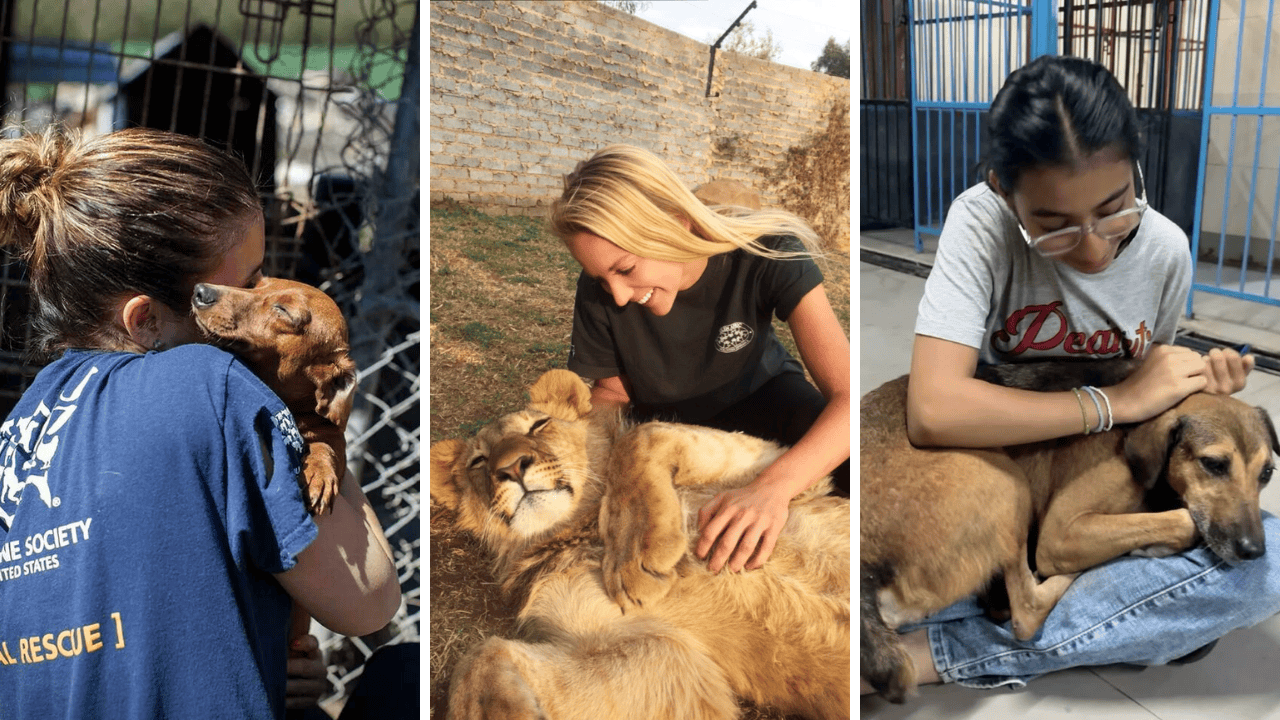
Understanding animal body language is essential for building trust, improving communication, and ensuring safety when interacting with pets or wildlife. Animals cannot speak human language, so they rely on physical signals such as posture, facial expressions, tail movements, ear positions, and vocal sounds to express emotions and intentions. Whether you are observing a dog, a cat, or even farm animals, learning these signals helps you interpret whether an animal feels happy, stressed, scared, aggressive, or relaxed. This knowledge is especially important for pet owners, trainers, and animal lovers who want to create a positive and stress-free environment.
Animal communication is often subtle and context-dependent, meaning the same gesture can have different meanings depending on the situation. For example, a wagging tail in dogs may indicate excitement, but in some cases, it can also signal anxiety or alertness. Similarly, cats may flick their tails when irritated but slowly move them when relaxed. By paying attention to multiple signals together rather than focusing on one movement, you can better understand what an animal is trying to communicate. Below are 10 easy and practical ways to identify animal body language and signals in daily interactions.
1. Tail Movement and Position

Tail movement is one of the most noticeable indicators of an animal’s emotional state, especially in a dog. A wagging tail often signals excitement or happiness, but the speed, height, and stiffness of the tail matter greatly. A relaxed, slow wag usually indicates calm friendliness, while a fast, stiff wag may suggest alertness or agitation. A tail held high often shows confidence or dominance, while a low or tucked tail indicates fear, anxiety, or submission.
In a cat, tail communication is even more expressive. A gently raised tail often signals contentment and friendliness, while a flicking or thumping tail can indicate irritation or overstimulation. When a cat’s tail is puffed up, it usually means fear or defensive aggression. Observing tail movement in context with other body signals helps you accurately understand an animal’s emotional state.
2. Ear Position and Movement
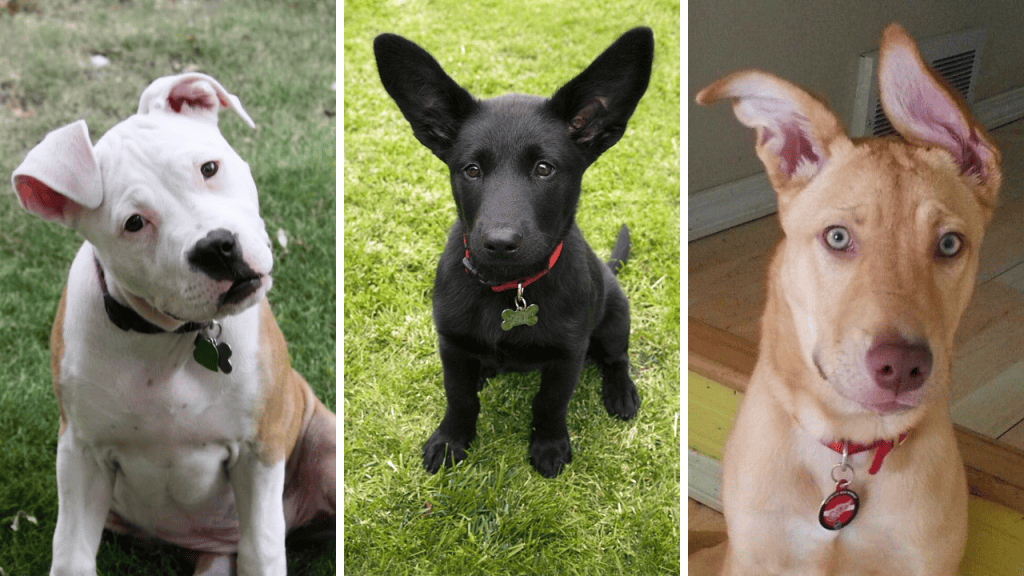
Ears are highly expressive and can reveal a lot about an animal’s attention and mood. In dogs, forward-facing ears often indicate curiosity or alertness, while ears pulled back may signal fear, submission, or discomfort. Constant ear movement may show that the animal is trying to process surrounding sounds or is feeling uncertain.
Cats also use ear positioning as a strong communication tool. Forward ears indicate interest or playfulness, while sideways or flattened ears suggest irritation or fear. When ears are pinned tightly back, it can be a sign of aggression or extreme stress. Paying attention to ear movement along with body posture gives a clearer understanding of how the animal is feeling in the moment.
3. Eye Contact and Pupil Changes
Eyes are powerful indicators of emotional states in animals. Direct eye contact in a dog can mean trust and bonding with their owner, but in unfamiliar situations it may also signal challenge or dominance. Soft, relaxed eyes often indicate comfort and calmness.
In a cat, slow blinking is a sign of trust and affection. Wide-open eyes with dilated pupils may indicate excitement, fear, or heightened alertness. Rapid blinking or avoiding eye contact can suggest stress or discomfort. Observing eye behavior alongside body posture helps determine whether the animal feels safe or threatened.
4. Body Posture and Stance

Body posture is a key indicator of an animal’s emotional and physical state. A relaxed body in a dog often means comfort and friendliness, while a stiff or rigid posture can indicate alertness or tension. A lowered body or crouched position usually signals fear or submission.
In a cat, an arched back often indicates fear or defensive behavior, while a stretched-out relaxed position shows comfort. A sideways stance with raised fur may signal aggression or readiness to defend. Observing how the entire body is positioned helps you understand the animal’s intentions more clearly.
5. Vocal Sounds and Tone
Animals use vocal sounds to communicate emotions and needs. Dogs may bark, whine, growl, or howl depending on their emotional state. A soft bark may indicate excitement, while deep growling can signal warning or discomfort.
Cats use meowing, purring, hissing, and chirping to express different feelings. Purring usually indicates comfort, but in some cases, it may also be used for self-soothing during stress. Hissing is a clear warning sign of fear or aggression. Understanding vocal tone along with physical signals provides a more complete picture of animal communication.
6. Tail Wagging Speed and Direction

Beyond basic tail movement, speed and direction also matter. A fast wag in a dog often shows high excitement, while a slow wag may indicate uncertainty. Tail movement toward the right side is sometimes associated with positive emotions, while movement toward the left may suggest stress or caution.
In a cat, quick tail flicks usually signal irritation, while slow swaying indicates curiosity or mild interest. Understanding these subtle differences helps you avoid misinterpreting an animal’s emotional state.
7. Fur and Hair Reactions
Animals often react physically to emotions through their fur or hair. Raised fur in a dog or cat usually indicates fear, aggression, or heightened alertness. This reaction makes the animal appear larger as a defense mechanism.
Smooth, flat fur generally suggests relaxation and comfort. Observing fur reactions alongside other signals like posture and sound can help you determine whether the animal feels threatened or safe.
8. Movement Speed and Energy Level
The speed and style of movement reveal a lot about an animal’s emotional condition. A dog that moves quickly and energetically is often excited or playful, while slow movements may indicate fatigue or calmness.
In a cat, sudden bursts of speed may indicate playfulness or hunting instincts. Hesitant or slow movements can indicate fear or uncertainty. Understanding movement patterns helps you anticipate behavior and respond appropriately.
9. Physical Contact and Social Behavior
Animals often use physical contact to express trust and bonding. A dog leaning against its owner often shows affection and security. Licking or nuzzling can also indicate attachment and comfort.
Cats may rub against people or objects to mark territory and show familiarity. However, avoidance of contact can signal discomfort or fear. Observing how animals interact physically with their environment and humans helps you understand their emotional connections.
10. Environmental Reactions and Awareness
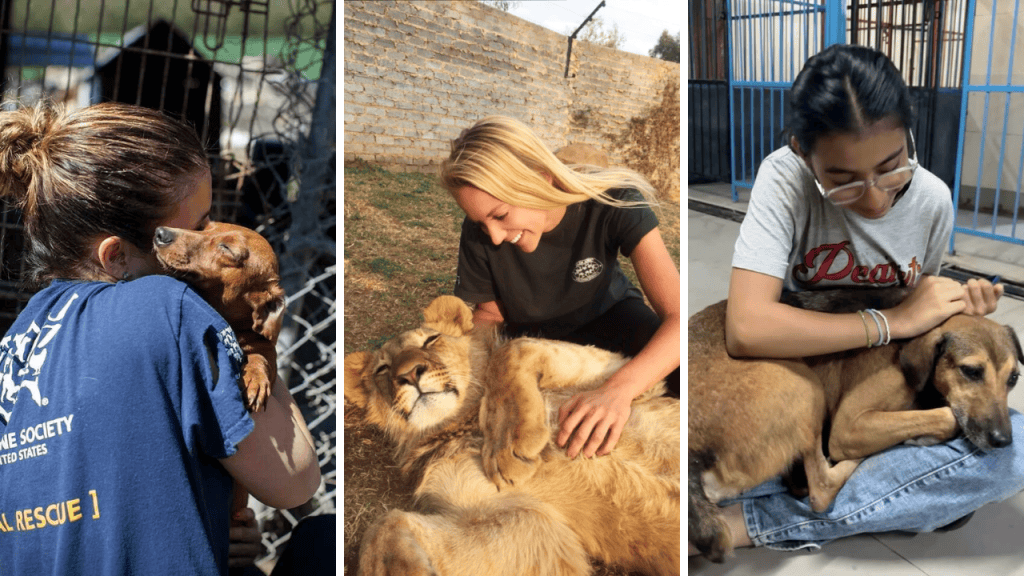
Animals are highly sensitive to their environment. Sudden changes in noise, movement, or unfamiliar objects can trigger strong reactions. A dog may become alert or bark when sensing unfamiliar sounds, while a cat may hide or freeze.
Environmental awareness also shows in how an animal explores new spaces. A confident animal will investigate calmly, while a nervous one may stay close to its owner or retreat. Understanding these reactions helps you create a safer and more comfortable environment for animals.
Summary
Animal body language is a complex but fascinating system of communication that includes tail movement, ear position, eye behavior, posture, vocal sounds, and environmental reactions. By observing these signals together, you can better understand the emotional state and intentions of animals like dogs and cats. This knowledge helps build stronger bonds, improves safety, and creates more meaningful interactions between humans and animals in everyday life.
FAQ
1. Why is animal body language important?
It helps humans understand animal emotions, prevent misunderstandings, and build stronger relationships.
2. Can dogs and cats communicate the same way?
Some signals overlap, but each species has unique body language patterns.
3. What does a wagging tail always mean?
Not always happiness—it can also indicate excitement, anxiety, or alertness depending on context.
4. How can I tell if a cat is stressed?
Flattened ears, puffed fur, tail flicking, and hiding behavior are common signs.
5. Is eye contact always safe with animals?
Not always. Direct eye contact can be seen as threatening in some situations.
6. Can body language change quickly?
Yes, animals can shift emotions rapidly based on environment or interaction.