

Training pets at home is one of the most effective ways to build a strong bond between owners and their animals while encouraging good behavior in a comfortable environment. Whether you have a dog, cat, or small pet, home training allows you to control distractions, set routines, and create a safe space where learning feels natural instead of stressful. Modern pet owners increasingly prefer at-home training because it is cost-effective, flexible, and easier to adapt to the pet’s personality and pace. With the right approach, even first-time pet owners can successfully teach essential behaviors like sitting, staying, leash walking, and proper toilet habits without frustration or pressure.
One of the biggest advantages of home-based training is that it helps reduce anxiety in animals. Pets often feel more confident in familiar surroundings, which makes them more responsive to commands and rewards. Instead of relying on harsh discipline, effective training focuses on positive reinforcement, consistency, and patience. Simple tools like treats, clickers, toys, and verbal praise can significantly improve learning outcomes. Below are eight smart and stress-free ways to train pets at home effectively while building trust and long-term discipline.
8 Smart Training Methods Overview
- Positive Reinforcement Training
- Consistent Daily Routine
- Short Training Sessions
- Clear Verbal Commands
- Reward-Based Behavior Shaping
- Distraction-Free Environment
- Clicker Training Method
- Patience and Emotional Bonding
1. Positive Reinforcement Training
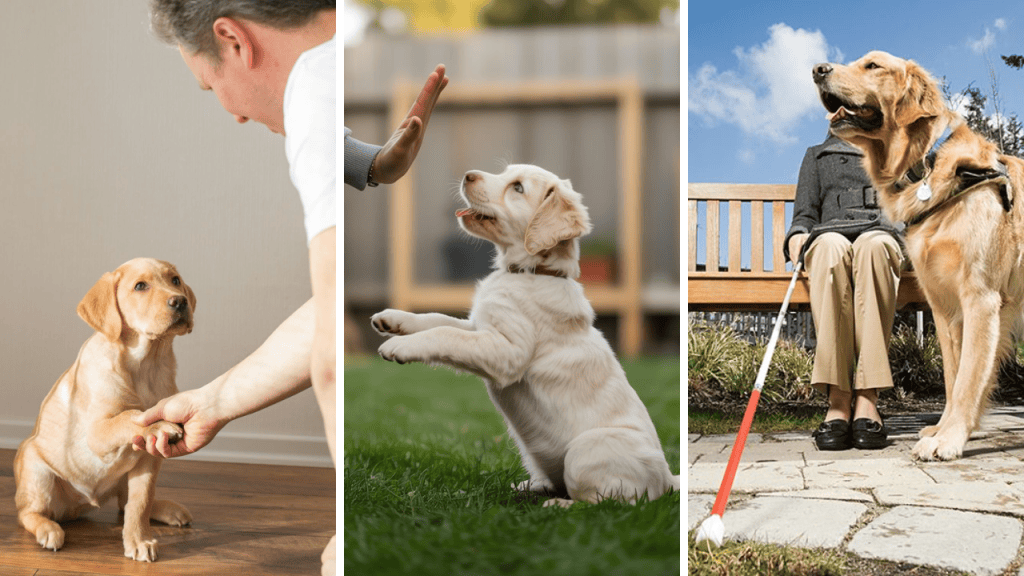
Positive reinforcement is one of the most powerful and humane methods for training pets such as a dog or cat. This technique focuses on rewarding good behavior rather than punishing mistakes. When a pet performs a desired action—such as sitting, staying, or coming when called it immediately receives a reward like a treat, verbal praise, or affection. This creates a strong mental connection between the behavior and the positive outcome.
The key to success is timing. Rewards must be given instantly after the correct behavior so the pet clearly understands what action is being encouraged. Over time, the pet begins to repeat these behaviors naturally because it associates them with positive experiences. This method also reduces fear and anxiety, making the learning process enjoyable instead of stressful. Unlike punishment-based training, positive reinforcement strengthens trust between pet and owner, which leads to long-term obedience and emotional bonding. It is especially effective for young pets and beginners.
2. Consistent Daily Routine
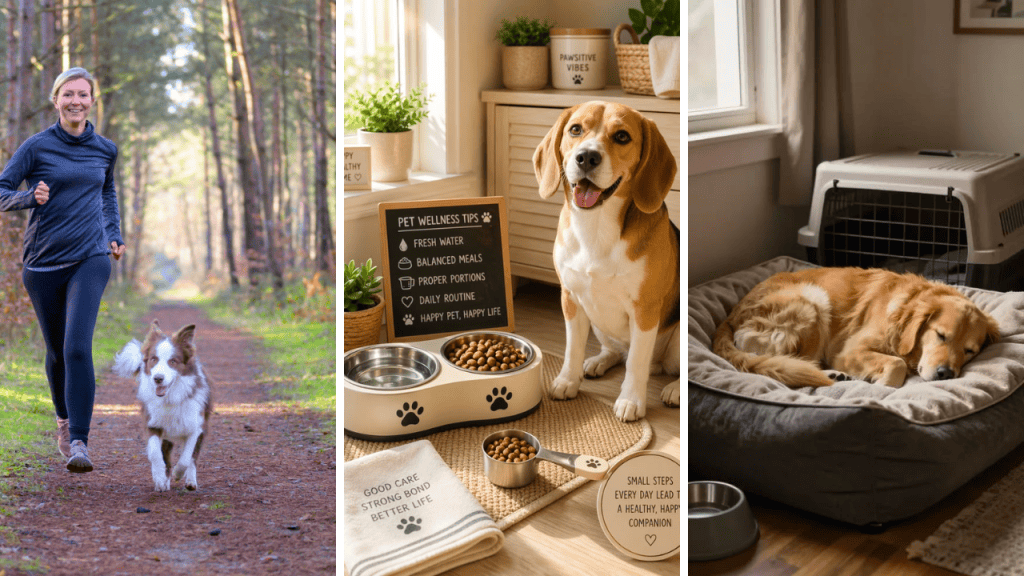
Consistency is essential when training pets at home. Animals learn best when they follow predictable routines that help them understand what is expected each day. Feeding times, potty breaks, walks, and training sessions should all happen at roughly the same time. This structure builds discipline and reduces confusion.
For example, if you are training a dog, take it outside at the same times daily for toilet training and walks. Repeat commands during these routines so the pet associates actions with words and timing. Inconsistent training often leads to slow progress because pets struggle to recognize patterns. Consistency also helps reduce behavioral issues like barking, scratching, or anxiety. When pets know what to expect, they feel more secure and confident. Over time, routine-based training becomes a natural lifestyle rather than a forced activity.
3. Short Training Sessions
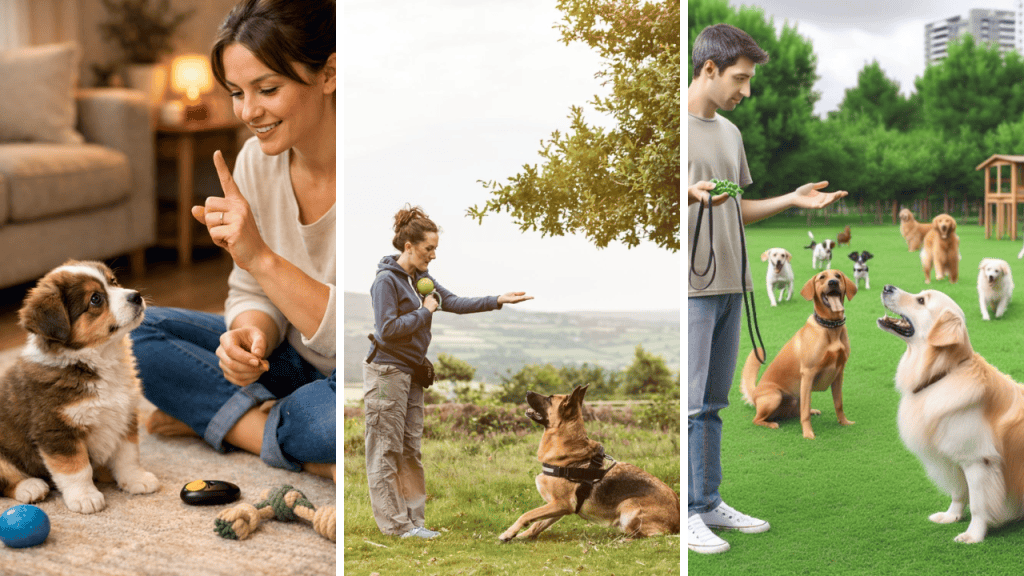
Short training sessions are far more effective than long, exhausting ones. Pets, especially young animals, have limited attention spans. Training sessions of 5–15 minutes are ideal for maintaining focus and preventing frustration.
During these short sessions, focus on one command or behavior at a time. For example, teach “sit” first before moving on to “stay” or “come.” Repetition in short bursts helps pets retain information better. Long sessions can overwhelm animals, leading to boredom or stress, which slows down learning. Ending each session on a positive note—such as a successful command followed by a reward—encourages the pet to look forward to the next training session. This method is especially helpful for energetic pets that quickly lose interest.
4. Clear Verbal Commands
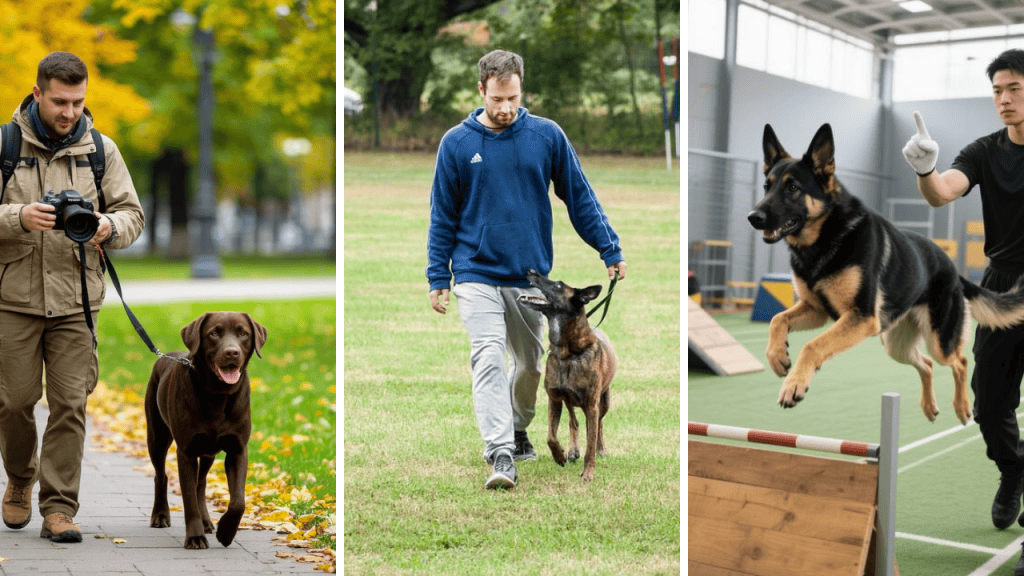
Clear communication is essential in pet training. Using simple, consistent words helps pets understand instructions faster. Commands like “sit,” “stay,” “come,” and “no” should be used consistently without variation.
Avoid long sentences or changing words for the same command, as this confuses animals. Tone of voice is equally important firm but calm tones work best. Over time, pets begin to recognize both the word and the tone. Repetition and clarity strengthen learning and reduce misbehavior. This method is particularly effective when training a dog, as dogs respond strongly to voice cues and repetition. Clear commands create structure, making it easier for pets to follow rules in different situations.
5. Reward-Based Behavior Shaping
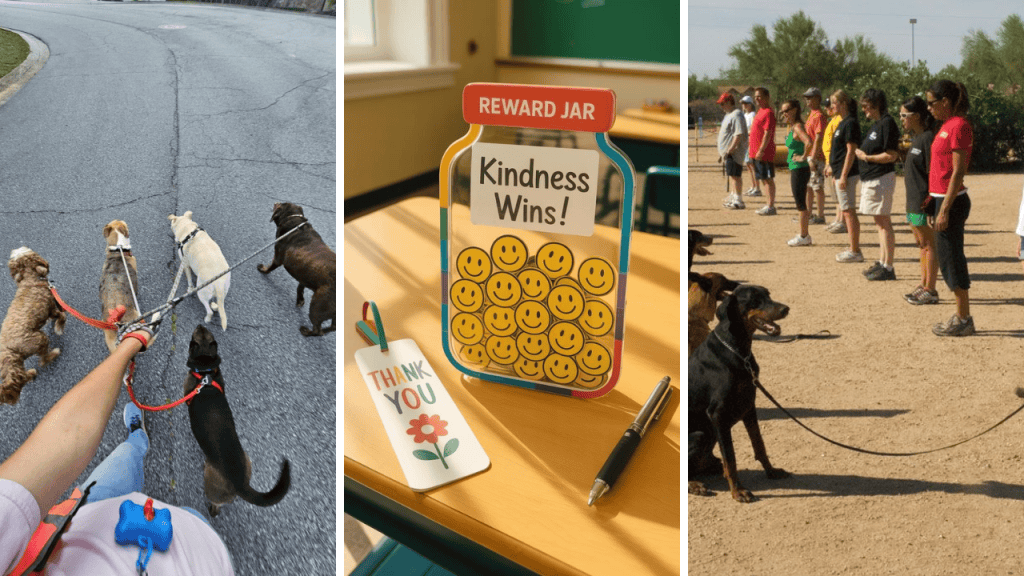
Behavior shaping involves gradually guiding pets toward desired behavior using small rewards. Instead of expecting perfect behavior immediately, you reward small steps in the right direction.
For example, if you want your pet to learn to sit calmly, you first reward it for lowering its body slightly, then for sitting halfway, and finally for full sitting behavior. This step-by-step approach builds confidence and reduces stress. Reward-based shaping works well for complex behaviors and helps pets learn at their own pace. It also prevents frustration for both pet and owner. Over time, pets naturally progress toward full behavior completion because they understand that improvement leads to rewards.
6. Distraction-Free Environment

Training should always begin in a quiet, distraction-free space. Too many sounds, people, or objects can make it difficult for pets to focus. A calm room at home is ideal for early training stages.
Once the pet masters a command in a quiet environment, you can gradually introduce distractions like other people or mild noise. This step-by-step exposure helps pets generalize behavior across different environments. Training a cat or dog in a calm setting ensures faster learning and reduces anxiety. A controlled environment builds confidence and strengthens attention span, making advanced training much easier later.
7. Clicker Training Method
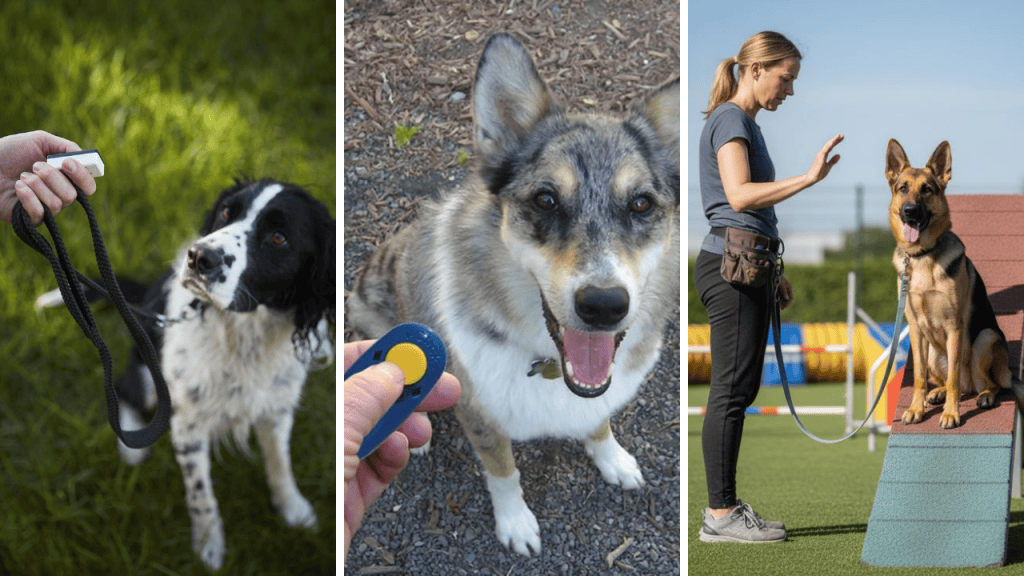
Clicker training is a modern technique that uses a small device to produce a clicking sound when a pet performs the correct behavior. The click is immediately followed by a reward, helping the pet associate the sound with positive action.
This method improves timing and clarity in training. The click acts as a precise marker, telling the pet exactly which behavior is correct. Over time, pets learn to repeat behaviors that trigger the click. Clicker training is especially effective for shaping complex tricks and improving obedience. It also adds a fun and interactive element to training sessions, making learning enjoyable for both pet and owner.
8. Patience and Emotional Bonding
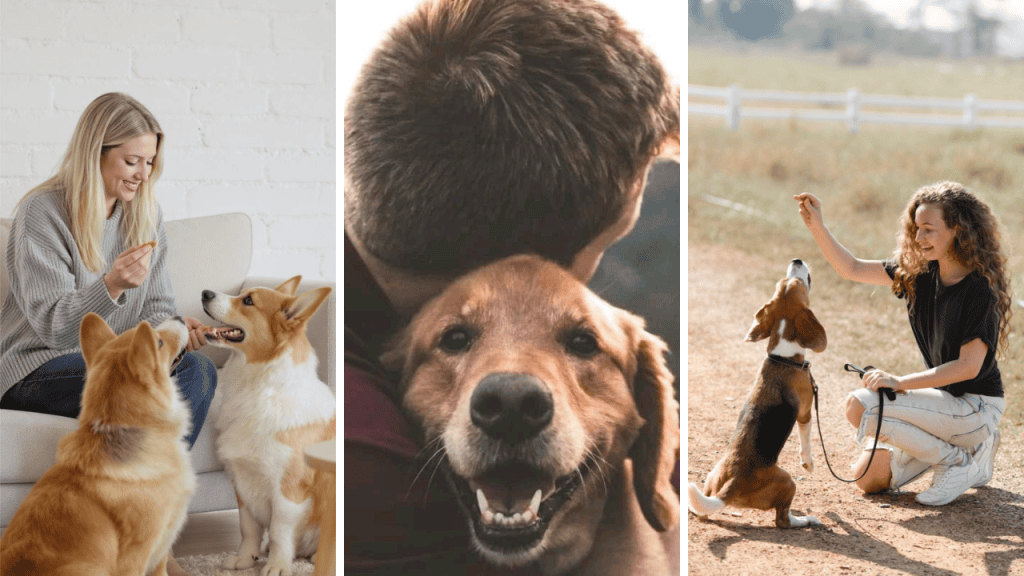
Patience is the foundation of successful pet training. Every animal learns at a different pace, and rushing the process can create stress and confusion. Building emotional bonding is equally important because pets respond better when they feel safe and loved.
Spending quality time, playing, and showing affection strengthens trust. This emotional connection makes training smoother because pets naturally want to please their owners. Mistakes should be handled calmly without punishment. Instead, redirect behavior and try again. Over time, patience and bonding lead to stronger discipline, better behavior, and a happier pet-owner relationship.
Summary
Training pets at home without stress is possible when using the right methods such as positive reinforcement, consistency, short sessions, and clear communication. Each pet learns differently, so patience and emotional bonding are essential for long-term success. By creating a calm environment and using reward-based techniques, owners can effectively teach good behavior while strengthening trust. These smart training strategies help pets become well-behaved, confident, and happy members of the family.
FAQ
1. What is the easiest way to train pets at home?
Positive reinforcement is the easiest and most effective method because it rewards good behavior instead of punishing mistakes.
2. How long should pet training sessions be?
Training sessions should be 5–15 minutes to keep pets focused and avoid stress.
3. Can cats be trained at home?
Yes, cat can be trained using rewards, consistency, and patience, though they may require more gentle techniques than dogs.
4. What is the best age to start training a pet?
The earlier, the better. Puppies and kittens learn faster, but older pets can also be trained effectively.
5. Do I need special tools for pet training?
Basic tools like treats, toys, and sometimes a clicker are enough for most home training methods.
6. Why is consistency important in pet training?
Consistency helps pets understand routines and reduces confusion, making learning faster and more stable.
7. What should I avoid during training?
Avoid punishment, yelling, and long training sessions, as these can create fear and slow down learning.