By 1934, Adolf Hitler had secured power in Germany—but he still feared losing control of it. The greatest threat no longer came from political opponents or foreign enemies. It came from within his own movement.
The SA, also known as the Brownshirts, had played a major role in Hitler’s rise. Led by Ernst Röhm, the SA was a massive paramilitary organization that intimidated opponents, fought in the streets, and helped the Nazi Party gain influence during its climb to power. Its members believed they were the revolutionary force behind the new Germany.
But success created tension.
As Hitler strengthened his position, the German military and conservative elites grew increasingly alarmed by the SA’s size and ambitions. Röhm wanted the SA to replace or dominate the traditional German army, a move that threatened military leaders whose support Hitler still needed. At the same time, the SA’s growing independence worried Hitler himself.
He began to see old allies as potential rivals.
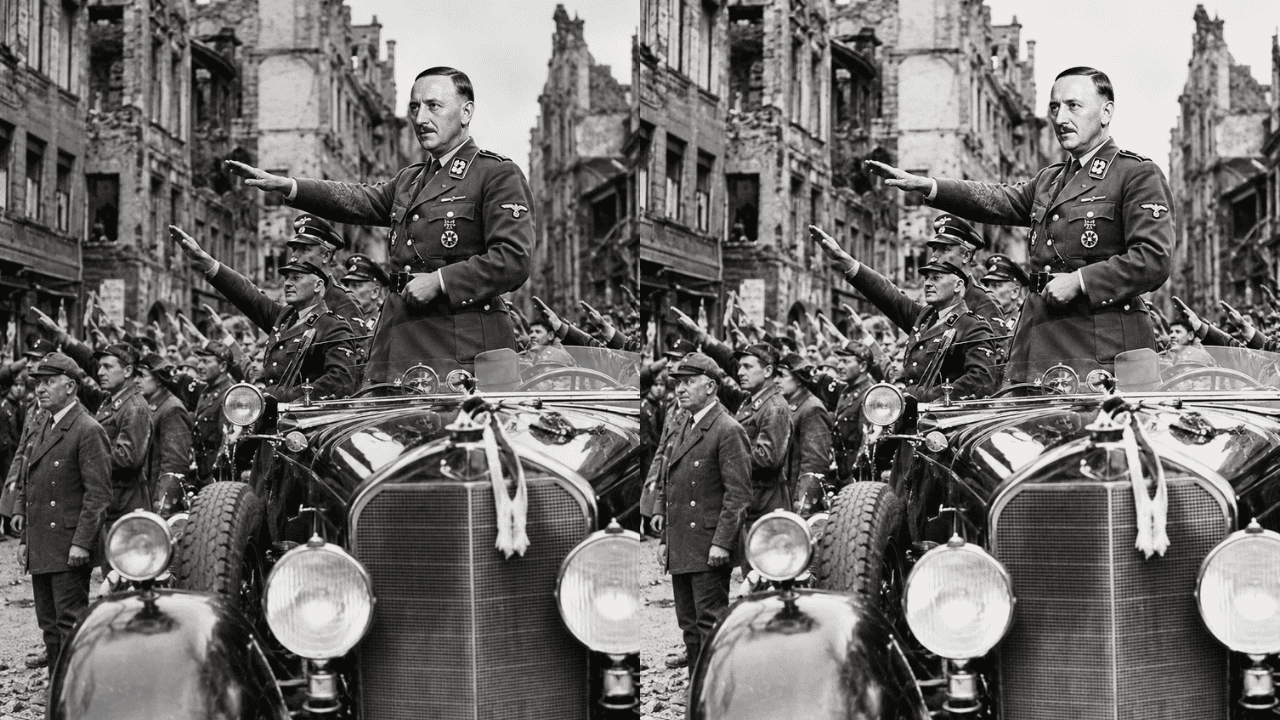
In late June 1934, Hitler acted decisively. Over the course of several days, the SS and Gestapo carried out a brutal purge that became known as the Night of the Long Knives. Under orders from Hitler, squads arrested and executed SA leaders along with other political enemies and perceived threats.
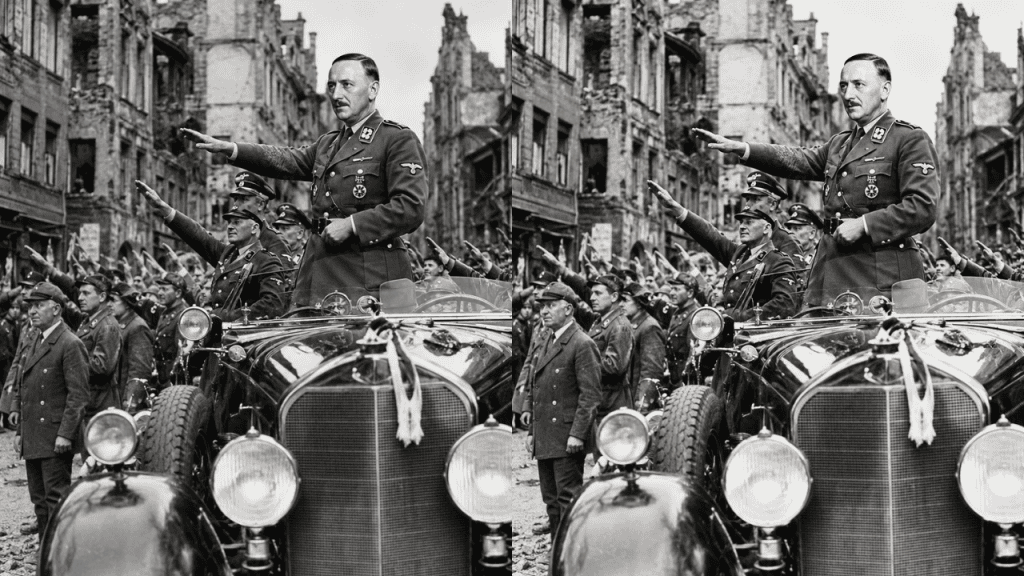
Ernst Röhm was captured and later killed.
But the purge did not stop with the SA leadership. Former allies, critics, and individuals only loosely connected to opposition movements were also targeted. Men were dragged from homes, hotel rooms, and prison cells. Many were shot without trial. Others simply disappeared.
The violence shocked Germany.
Hitler justified the killings as necessary to prevent treason and restore order, presenting himself as the defender of the nation. In reality, the purge served a deeper purpose: it eliminated rivals, secured the loyalty of the German military, and strengthened Hitler’s personal control over the Nazi state.
The army leadership, relieved to see the SA weakened, largely accepted the killings. President Paul von Hindenburg and other conservative figures also backed Hitler afterward, believing stability had been restored. The SS, meanwhile, emerged more powerful than ever, becoming one of the central instruments of terror in Nazi Germany.
The Night of the Long Knives marked a turning point.
It demonstrated that Hitler’s regime would tolerate no independent power centers—not even among those who had helped build it. Loyalty offered no protection if political usefulness disappeared. The purge also revealed how violence and fear had become essential tools of Nazi rule long before World War II began.
Historians continue to view the event as one of the clearest examples of authoritarian consolidation. Hitler proved that maintaining power mattered more than ideology, friendship, or past loyalty.
In the end, the Night of the Long Knives showed a brutal truth about dictatorships: the system eventually consumes its own people as readily as its enemies.