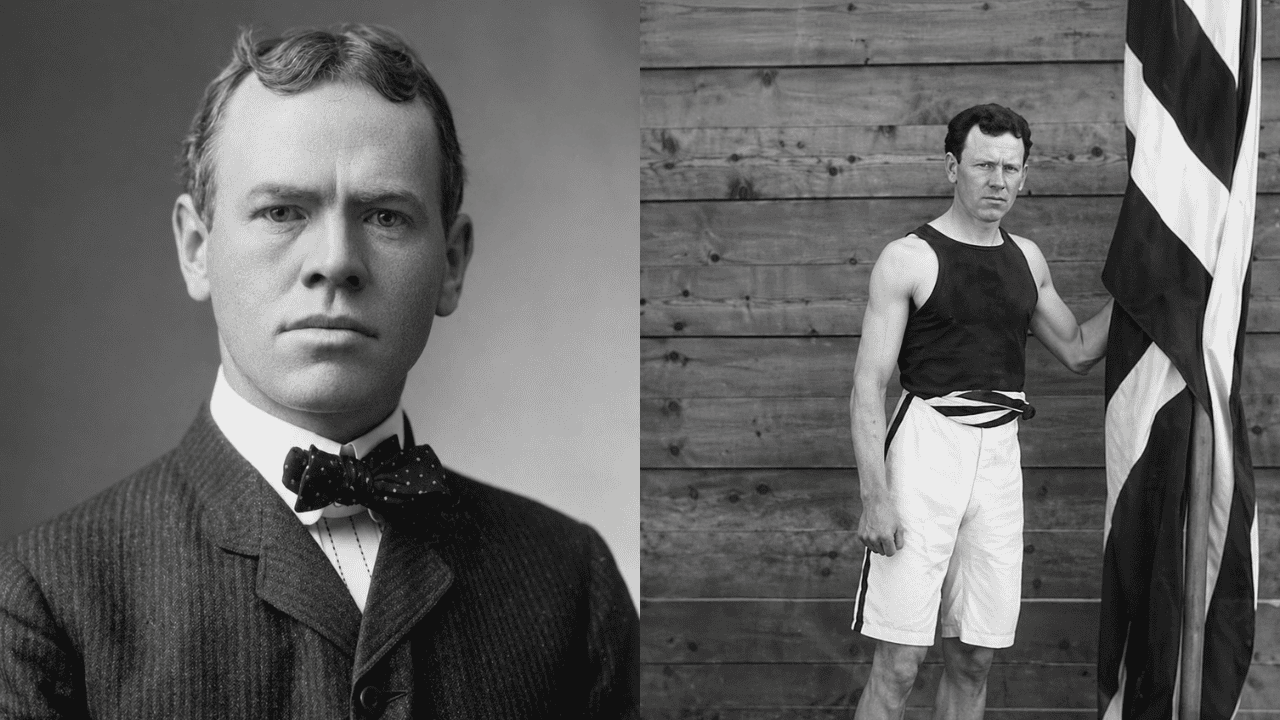
In April 1896, James Brendan Connolly made a decision that would define his life—and leave a lasting mark on history. At the time, Connolly was a 27-year-old Harvard student, the son of Irish immigrants from South Boston. When he requested a leave of absence to travel to Greece and compete in the first modern Olympic Games, Harvard refused.
So he walked away.
Without hesitation, Connolly left the university behind and set out for Athens. His journey was far from glamorous. He boarded a German freighter alongside a small group of roughly 14 American athletes. These were not professionals backed by national programs or government funding. They were students and amateur competitors who paid their own way, driven by ambition and belief rather than support.
After a long ocean crossing, Connolly arrived in Greece—reportedly having gained weight during the voyage, hardly ideal for an athlete preparing to compete. Yet none of that would matter when the moment came.
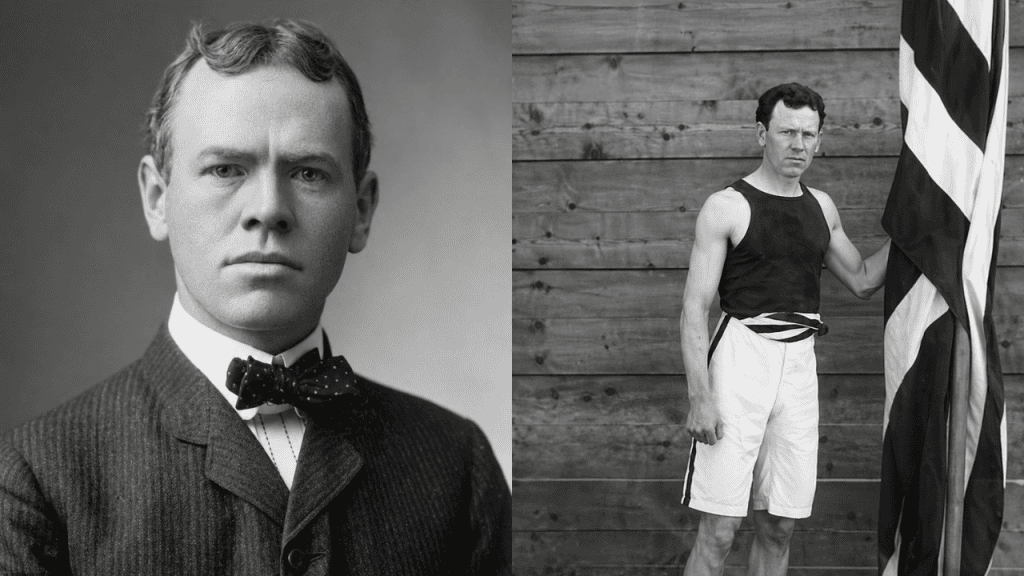
On April 6, the opening day of the Games, Connolly learned over breakfast that the triple jump competition was scheduled for that very day. With little preparation and no time to adjust, he stepped onto the field.
Then he made history.
Connolly leapt 44 feet 11 inches, defeating his nearest competitor by more than a meter. With that jump, he became the first Olympic champion of the modern era—reviving a tradition that had been absent for over 1,500 years.
His victory was not just personal; it symbolized the beginning of something much larger.
The small American team, self-funded and largely overlooked, went on to achieve remarkable success. In total, they secured 11 gold medals—more than any other nation at the Games. Ironically, established organizations like the New York Athletic Club had declined to participate, missing what would become a historic moment.
But Connolly and his fellow athletes went anyway.
Their journey was not supported by institutions or guaranteed success. It was fueled by determination, risk, and a willingness to step into the unknown. In doing so, they laid the foundation for America’s future Olympic legacy.
James Connolly’s story is a powerful reminder that sometimes the most important opportunities come at a cost. He gave up his place at Harvard—but in return, he gained a place in history.
And with one jump, he helped bring the Olympic Games back to life.