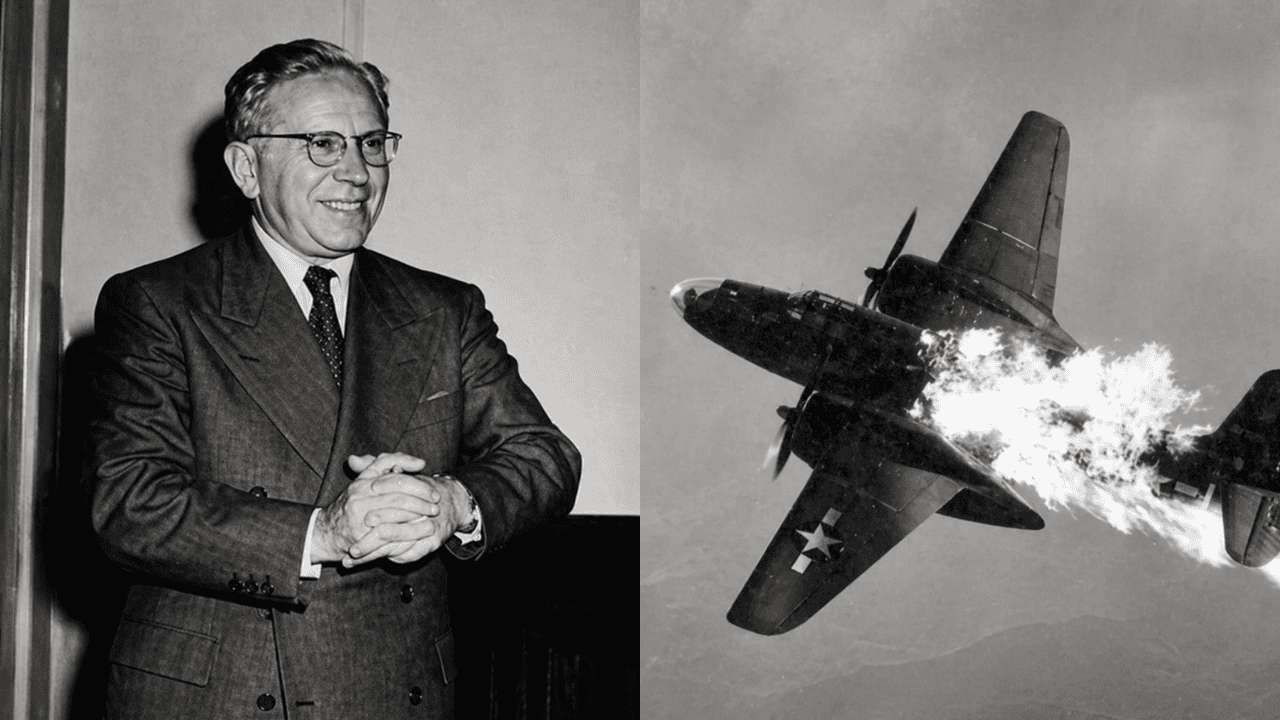
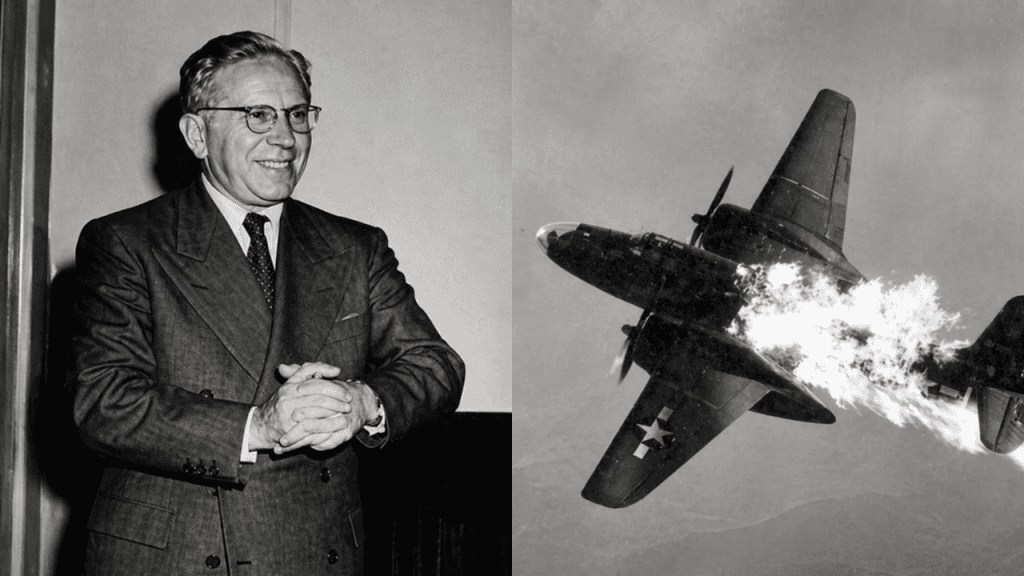
During World War II, military leaders faced a critical problem: how to protect their bombers from enemy fire. Aircraft returning from missions were often riddled with bullet holes, and engineers needed to decide where to reinforce armor to reduce losses. At first glance, the solution seemed obvious—add armor where the damage was most visible.
But one man saw the problem differently.
Abraham Wald, a statistician working with the U.S. military, was tasked with analyzing the damage patterns on returning bombers. When he examined the data, he noticed that bullet holes were concentrated in certain areas of the aircraft, such as the wings and fuselage. Surprisingly, however, he advised against reinforcing those heavily damaged sections.
Instead, Wald recommended adding armor to the areas that showed little or no damage.
At first, this seemed counterintuitive. Why protect the parts that appeared untouched? But Wald understood something others had overlooked—a hidden flaw in the data itself.
All the information available came from planes that had successfully returned. The aircraft that had been hit in more critical areas—like the engines or cockpit—never made it back. They were missing from the data entirely. This meant the visible damage only told part of the story.
Wald realized that the areas without bullet holes were actually the most vulnerable.
If a plane was hit in those spots, it likely crashed and was never counted. By reinforcing those critical sections, the chances of survival could be significantly improved. His insight transformed how the military approached aircraft protection, helping to save both planes and lives.
This concept later became known as survivorship bias—the error of focusing only on successes while ignoring the failures that are no longer visible. Wald’s work demonstrated how easily conclusions can be distorted when important data is missing.
His contribution extended far beyond the battlefield.
Today, survivorship bias is recognized in fields ranging from business and finance to science and everyday decision-making. It serves as a reminder to question what we see—and more importantly, what we don’t see.
Abraham Wald’s insight was simple, yet powerful. By looking beyond the obvious and questioning incomplete data, he changed the outcome of a real-world problem during one of history’s most challenging times.
His story is a lasting lesson in critical thinking: sometimes, the most important answers are found not in what is visible, but in what is missing.