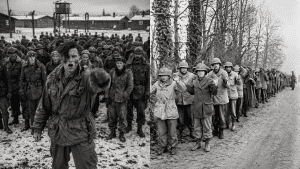
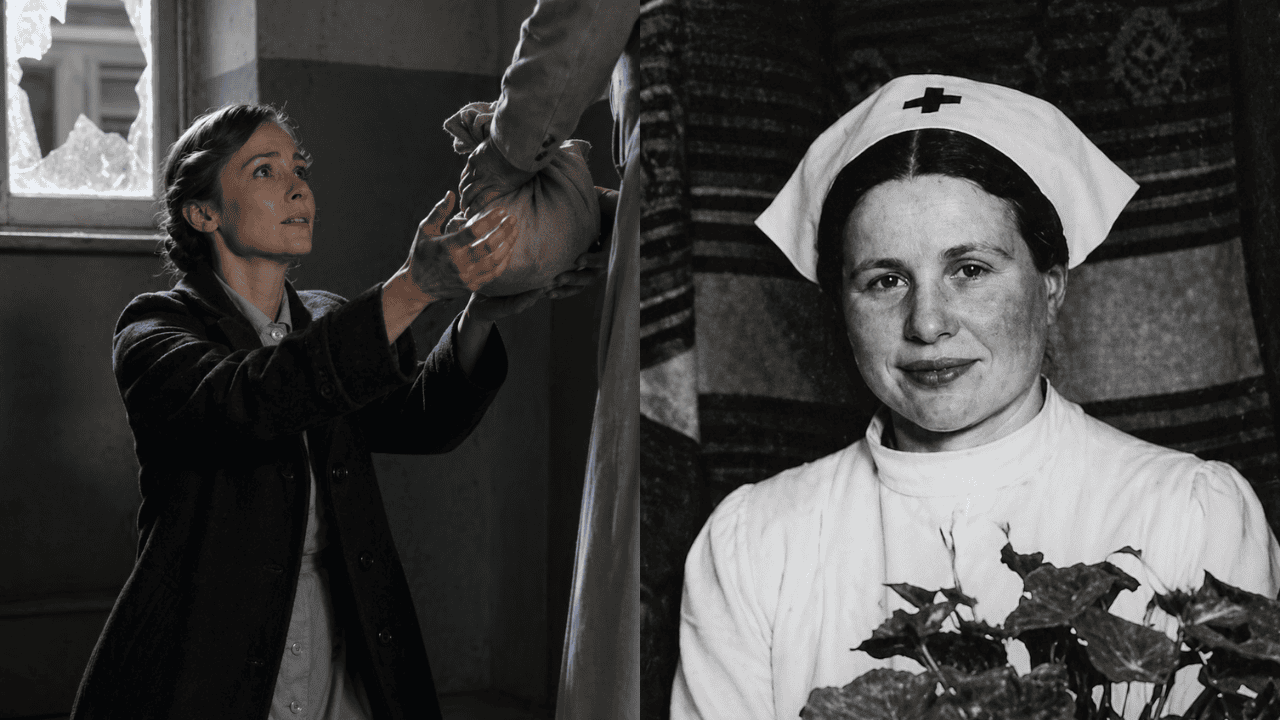
In 1942, during one of the darkest periods of World War II, a quiet act of courage began inside the walls of the Warsaw Ghetto. Amid suffering, starvation, and constant भय, one woman chose to act when most could not. Her name was Irena Sendler, a Polish social worker whose determination would save thousands of lives.
At the time, the Warsaw Ghetto was sealed by Nazi forces, trapping hundreds of thousands of Jewish men, women, and children in brutal conditions. Disease, hunger, and violence were widespread. For many, survival was only a matter of time.
Irena Sendler entered this environment with a purpose.
Using an ambulance pass that allowed her limited access, she found ways to move in and out of the ghetto. But she did not go empty-handed—she went with a plan. One child at a time, she began smuggling them out. The methods were as creative as they were dangerous. Babies were hidden in toolboxes, children were carried in coffins, and others were concealed in sacks or guided through secret routes past guards.
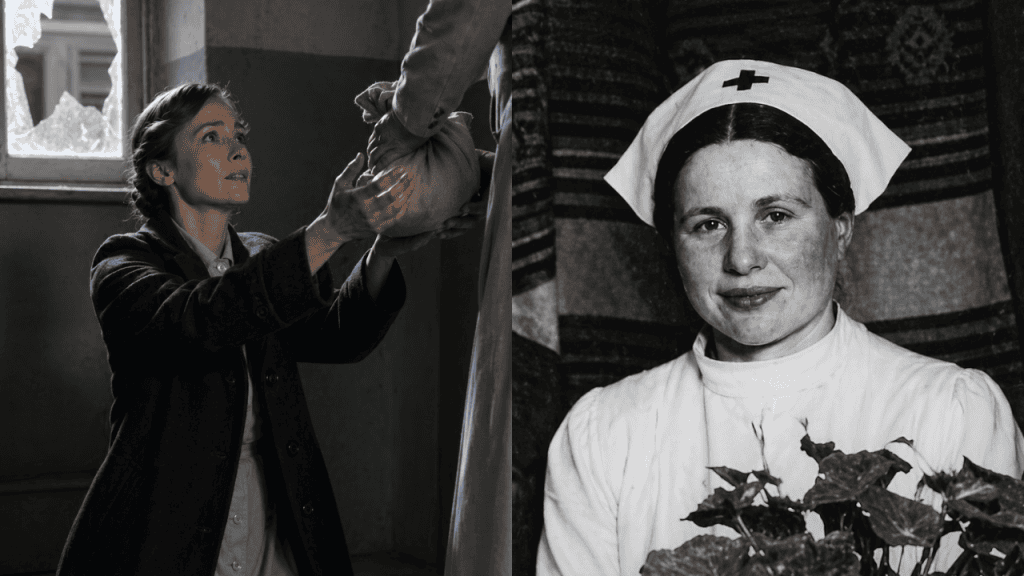
Each rescue carried enormous risk. If discovered, both Sendler and the children would have faced immediate execution.
But she continued.
What made her mission even more remarkable was what she did after the children were saved. She knew that survival alone was not enough—they needed their identities preserved. So she carefully recorded their real names and placed the information in glass jars. These jars were then buried beneath an apple tree, hidden from those who might destroy them.
Her hope was simple but powerful: that one day, the children could be reunited with their families.
In total, Irena Sendler helped save approximately 2,500 children.
Her work did not go unnoticed forever. In 1943, she was arrested by the Gestapo, tortured, and sentenced to death. Even under extreme pressure, she refused to reveal any names or information about the children she had rescued. Members of the Polish underground eventually bribed a guard, securing her escape just before her execution.
Despite everything, she continued her efforts in hiding.
For many years after the war, her story remained largely unknown. It was only decades later that the full scale of her actions came to light, earning her international recognition as one of the most courageous rescuers of the Holocaust.
Irena Sendler’s story is not just about bravery—it is about compassion in the face of unimaginable danger. She did not have power, rank, or weapons. What she had was a decision: to act, to protect, and to refuse to stand by.
In a time when lives were being erased, she preserved them—name by name, child by child.
And because of her, thousands were given a chance to live.