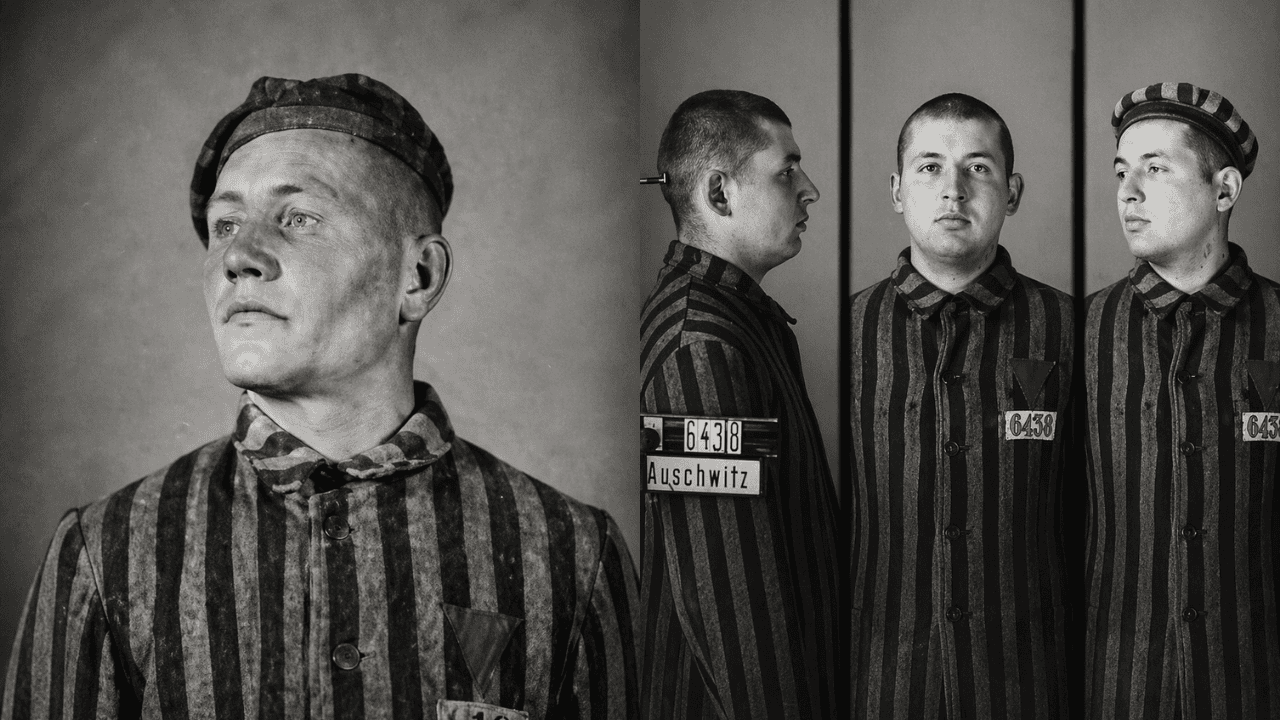
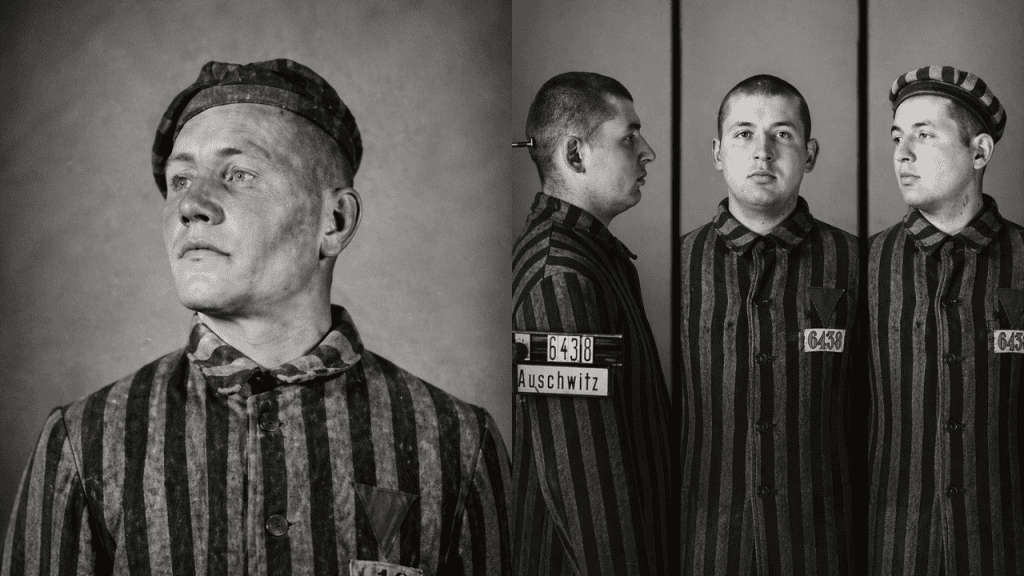
In 1942, during one of the darkest chapters of World War II, an extraordinary act of courage and ingenuity took place inside Auschwitz, one of the most heavily guarded Nazi concentration camps. At a time when escape was considered nearly impossible, Kazimierz Piechowski and three fellow prisoners carried out a plan so bold that it would later be remembered as one of the most daring escapes of the war.
Auschwitz was designed to be inescapable. Surrounded by barbed wire, watchtowers, armed guards, and constant surveillance, it represented a system built on control and भय. For prisoners, even the thought of escape carried enormous risk—not only for themselves, but often for others who might face punishment in retaliation.
Yet Piechowski and his companions refused to accept their fate.
The group devised a plan that relied on precision, timing, and an understanding of the camp’s routines. Instead of attempting to sneak out unnoticed, they chose a strategy that was both risky and brilliant—they would leave in plain sight. Disguising themselves in stolen SS uniforms, they aimed to blend in with the very forces that imprisoned them.
The execution of the plan required calm nerves and perfect coordination. After obtaining the uniforms and weapons, the men made their way to the camp’s motor pool, where they seized a German vehicle. With everything in place, they drove toward the main gate—arguably the most heavily guarded exit point in the entire camp.
In a moment that would define their escape, they approached the gate as if they belonged there. Their confidence and appearance convinced the guards, and the barrier was opened. Within seconds, they passed through Auschwitz’s front gate—something few could have imagined possible.
Once outside, they drove to safety, successfully escaping a place where countless others had been held captive under brutal conditions. Their survival was not just a matter of luck, but the result of careful planning, courage, and an unwavering will to live.
Piechowski’s story stands as a powerful reminder of human resilience in the face of unimaginable oppression. In an environment designed to strip away hope, he and his companions demonstrated that determination and quick thinking could still create an opportunity for freedom.
Today, this escape is remembered not only for its audacity, but for what it represents—the refusal to surrender to fear, and the enduring human desire for survival and dignity, even in the most controlled and dangerous circumstances.