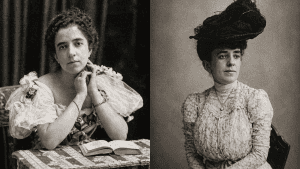
In the 19th century, a woman’s independence could be seen as a threat—and for Elizabeth Packard, it cost her her freedom. Declared insane not because of illness, but because she held beliefs that differed from her husband’s, her story stands as one of the most powerful examples of resilience and reform in American history.
Elizabeth Packard was a well-educated and thoughtful woman who openly expressed her own religious and intellectual views. However, at a time when women had limited legal rights, her independence was interpreted as defiance. In 1860, her husband, a minister, used existing laws to have her committed to a mental asylum in Illinois—without trial, without medical evaluation, and without her consent.
Inside the institution, Packard faced harsh conditions and isolation. Yet, she refused to accept the label forced upon her. Despite the environment designed to silence her, she continued to assert her sanity and document her experiences. Her determination to be heard became the foundation of her fight for justice.
After several years of confinement, Packard managed to communicate her situation to the outside world. Her case eventually reached a jury, where she was able to present her own defense. In a landmark decision, the jury declared her sane after only a short deliberation. It was a moment that not only restored her freedom but also exposed the flaws in a system that allowed individuals—particularly women—to be institutionalized without due process.
But Packard’s story did not end with her release.
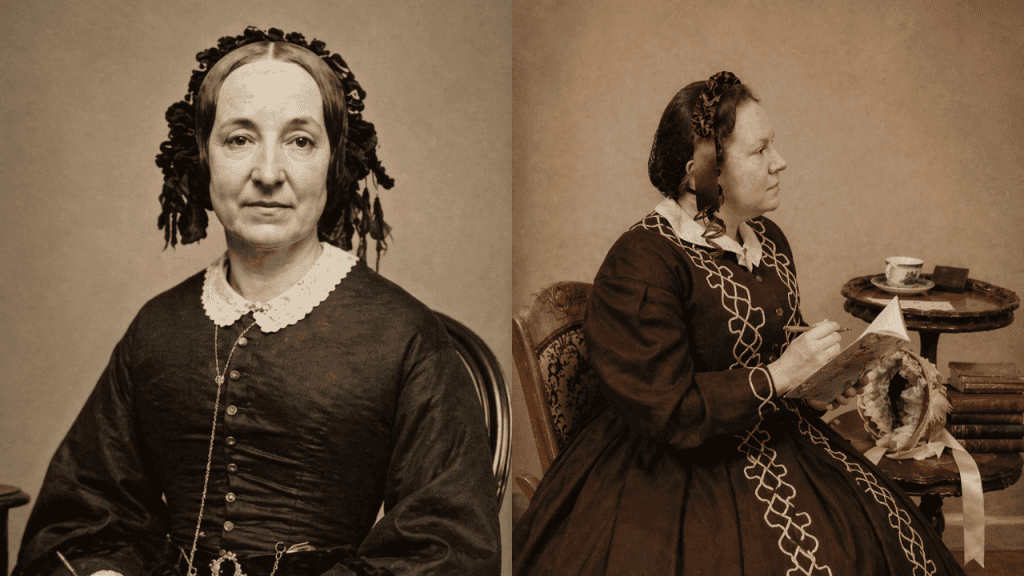
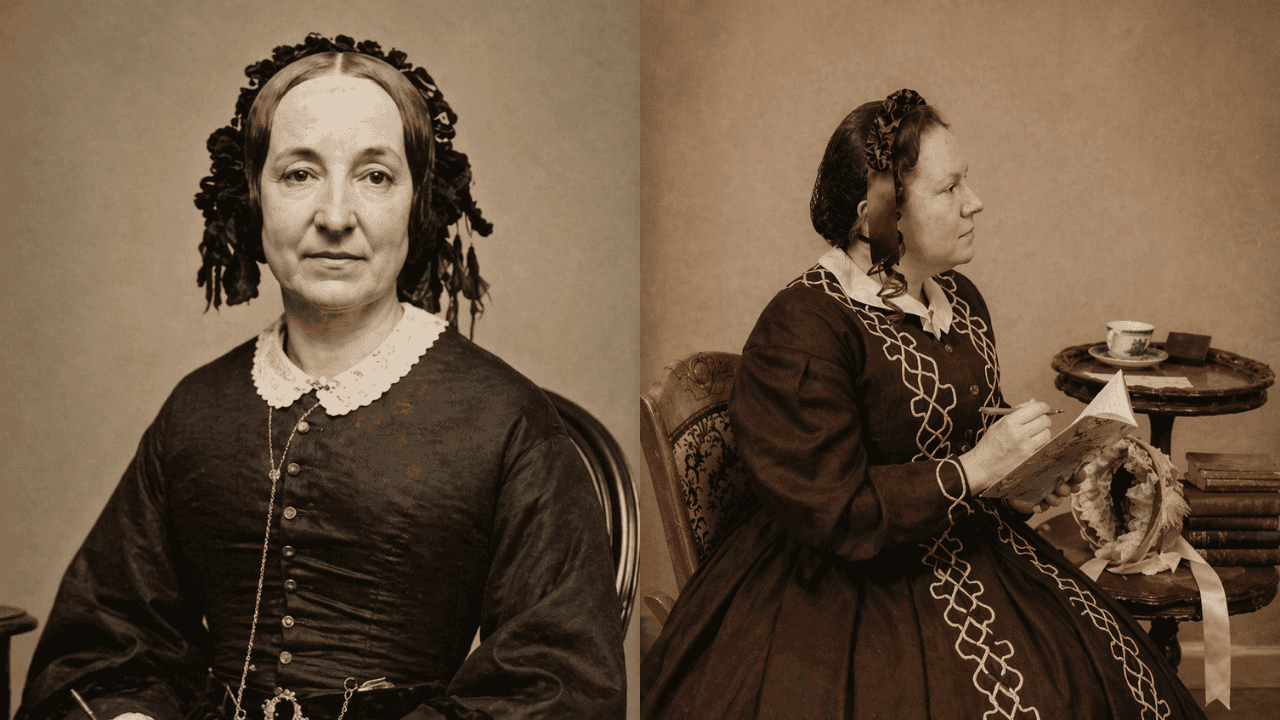
Instead of retreating into private life, she transformed her experience into a mission for reform. She became a passionate advocate for the rights of married women and those confined to mental institutions. Through lectures, writings, and direct engagement with lawmakers, she worked tirelessly to change the laws that had once imprisoned her.
Her efforts led to significant legal reforms across multiple states. These changes ensured that individuals could no longer be committed to asylums without proper medical evaluation and legal protection. Her work helped safeguard thousands of women from unjust confinement, giving them a voice in a system that had long denied it.
Elizabeth Packard’s legacy is one of courage and transformation. She took a deeply personal injustice and turned it into a catalyst for widespread change. Her story is not just about survival—it is about challenging authority, speaking truth, and reshaping laws that affect generations.
Today, she is remembered as a pioneer for women’s rights and mental health reform. Her life serves as a reminder that even in the face of systemic injustice, one determined voice can spark change—and that truth, when spoken clearly and persistently, has the power to transform an entire system.