
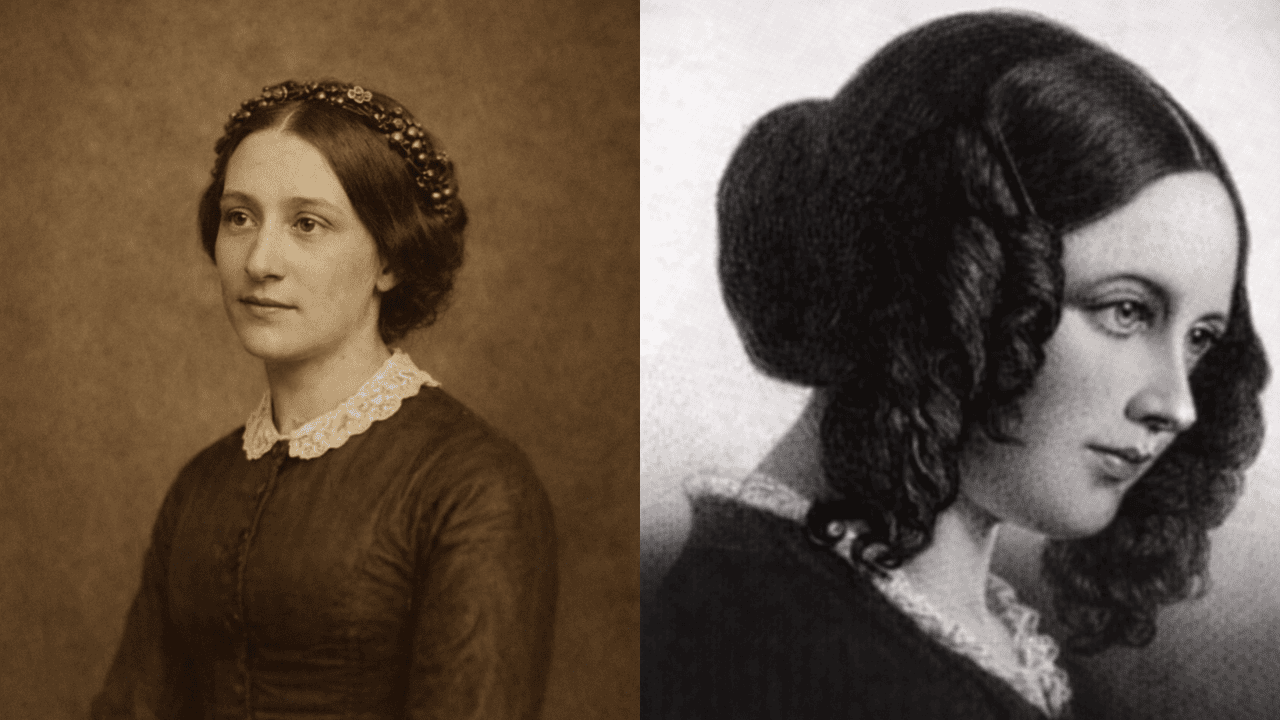
History often remembers great figures while quietly overlooking those who stood beside them. Catherine Hogarth, the wife of renowned English writer Charles Dickens, is one such figure her life deeply intertwined with literary history, yet frequently left in its shadows.
Catherine married Charles Dickens at the age of 19, stepping into a life that would soon become both demanding and defining. Over the course of their fifteen-year marriage, she gave birth to ten children, a remarkable and physically taxing responsibility. While Dickens traveled extensively and built his reputation as one of the most celebrated authors of his time, Catherine remained at home, managing the household and caring for their large family.
Her role was not insignificant. Maintaining a home of that scale required resilience, organization, and emotional strength. Yet, like many women of her era, her contributions were largely unseen and unacknowledged. Dickens’s success brought him fame and admiration, but the foundation of his personal life sustained in part by Catherine’s efforts rarely entered public recognition.
As the years passed, the strain of repeated pregnancies and domestic responsibilities took a toll on Catherine’s health. During this time, Dickens’s personal life took a controversial turn. He became involved with a young actress, and eventually separated from Catherine. In a deeply painful outcome, he retained custody of most of their children, further isolating her from the family she had devoted herself to raising.
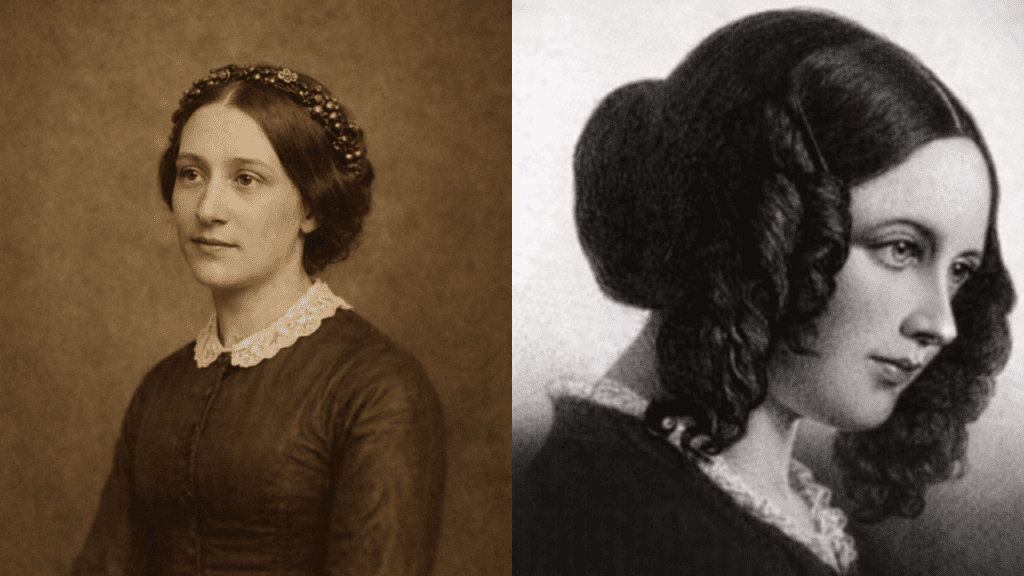
Following the separation, Catherine lived much of her life in relative obscurity. Removed from the public narrative that celebrated Dickens, she became a quiet, almost forgotten figure. For over two decades, she remained largely out of the spotlight, her story overshadowed by her husband’s enduring literary fame.
Yet, Catherine Hogarth’s legacy is not one of bitterness or revenge. Instead, it is preserved through personal letters that reveal a woman of dignity, strength, and emotional depth. These writings offer a glimpse into her inner world one marked by grace despite hardship, and a quiet resilience in the face of profound personal loss.
Today, there is a growing recognition of Catherine’s place in history. Her life serves as a reminder that behind many celebrated individuals are others whose contributions, though less visible, are equally significant. By revisiting her story, we gain a more complete understanding of the past one that acknowledges not only achievement, but also sacrifice.
Catherine Hogarth’s story challenges us to reconsider how history is told. It urges us to look beyond the spotlight and recognize those who supported, endured, and contributed in ways that were not always recorded. Remembering her is not just an act of fairness it is an essential step toward a more balanced and truthful view of history.