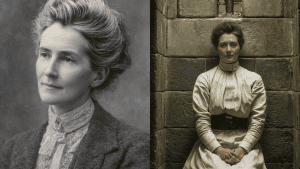
The history of World War II is often told through the lens of major battles, political leaders, and the Holocaust’s most widely recognized victims. Yet, within this dark chapter lies another devastating tragedy that remains less acknowledged—the genocide of the Romani people.
Between 1939 and 1945, Nazi forces systematically targeted the Romani population across Europe. Approximately 500,000 Romani were killed during this period, representing nearly half of their population on the continent. Entire families and communities disappeared, leaving behind a cultural and human loss that is still felt today.
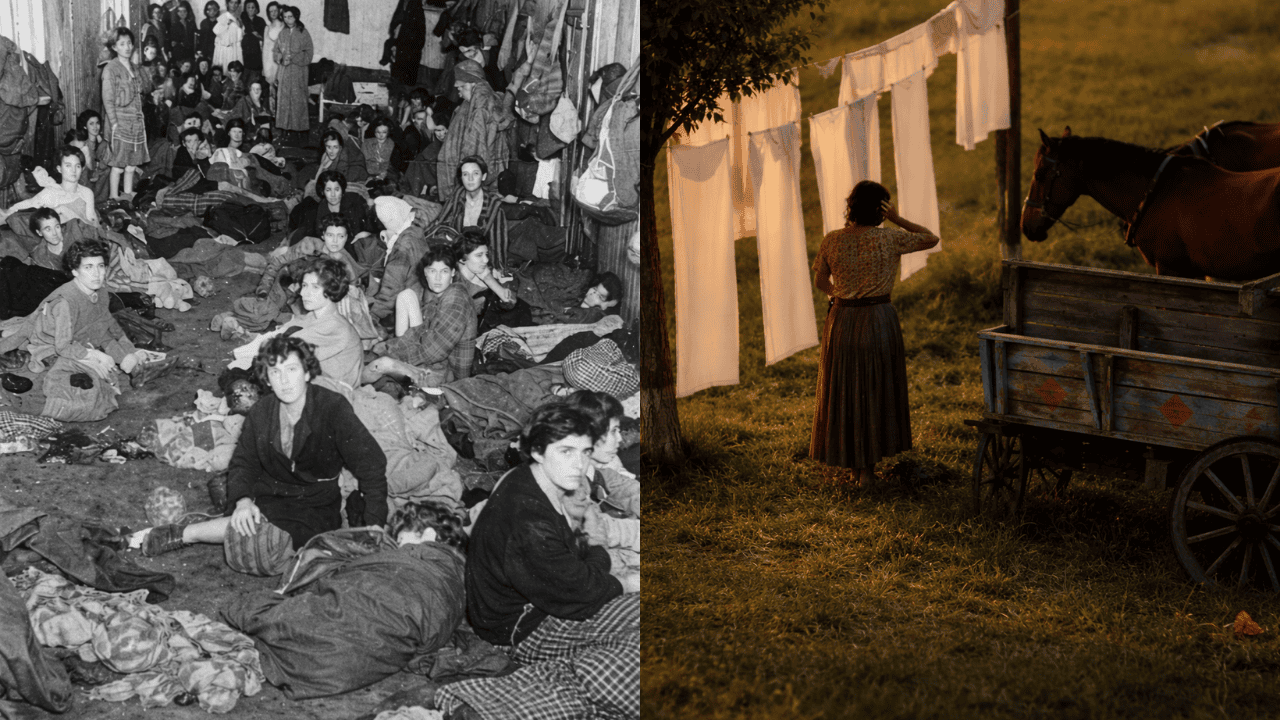
The persecution of the Romani was rooted in racial ideology. Like other groups targeted by the Nazis, they were labeled as inferior and subjected to brutal policies of exclusion, deportation, and extermination. Many were rounded up from their homes and transported to concentration camps, where conditions were harsh and survival was uncertain.
At Auschwitz, one of the most notorious camps, Romani prisoners faced particularly grim circumstances. Among them were children, who became victims of inhumane medical experiments conducted by Josef Mengele. These experiments caused immense suffering and, in many cases, death.
The human cost of these actions is reflected in the testimony of survivors. One mother recalled the moment her daughter was taken away. When the child was eventually returned, she could no longer walk or speak. The damage inflicted upon her was irreversible, and she died in her mother’s arms. This single account represents countless untold stories of pain, loss, and devastation experienced by Romani families.
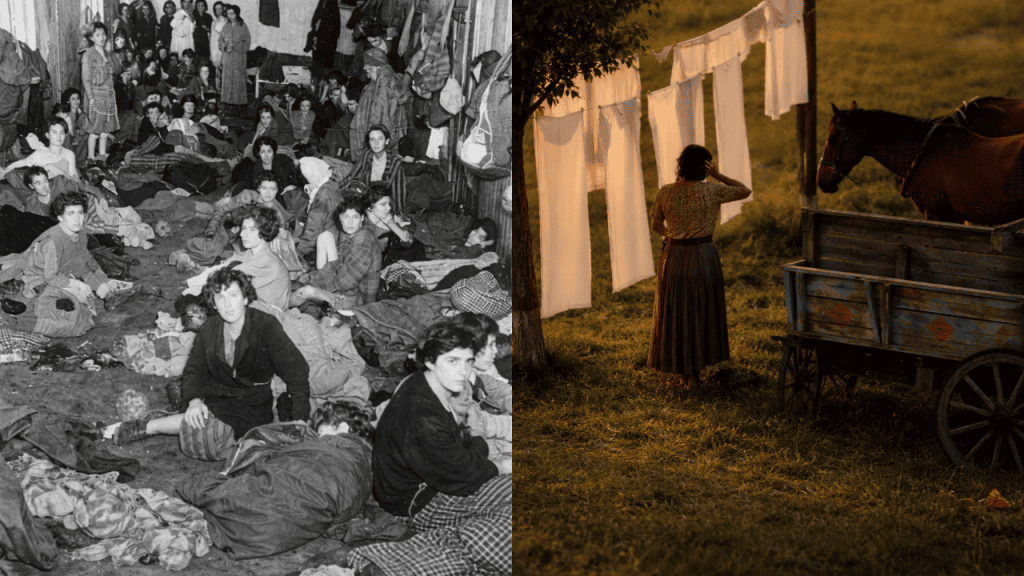
Despite the scale of the tragedy, the aftermath of the war did little to bring justice to the Romani people. While some Nazi leaders were prosecuted, many of the crimes committed against the Romani were not fully addressed. There were few trials specifically focused on their persecution, and reparations were largely absent.
For decades, the suffering of the Romani community remained overlooked in broader discussions about World War II. Their losses were not always formally recognized, and their voices were often missing from historical narratives. This lack of acknowledgment added another layer of injustice to an already devastating history.
Remembering the Romani genocide is essential not only for honoring those who were lost but also for ensuring that such histories are not forgotten or repeated. It serves as a reminder of how prejudice and discrimination, when left unchecked, can lead to unimaginable consequences.
Today, efforts continue to raise awareness about the Romani experience during the war. Historians, educators, and communities are working to ensure that these stories are included in the broader understanding of World War II.
The genocide of the Romani people was not a small or isolated event—it was a significant part of the Nazi regime’s campaign of violence. Half a million lives were lost, and countless families were shattered.
Their story deserves recognition, remembrance, and reflection.
Because justice begins with remembering.