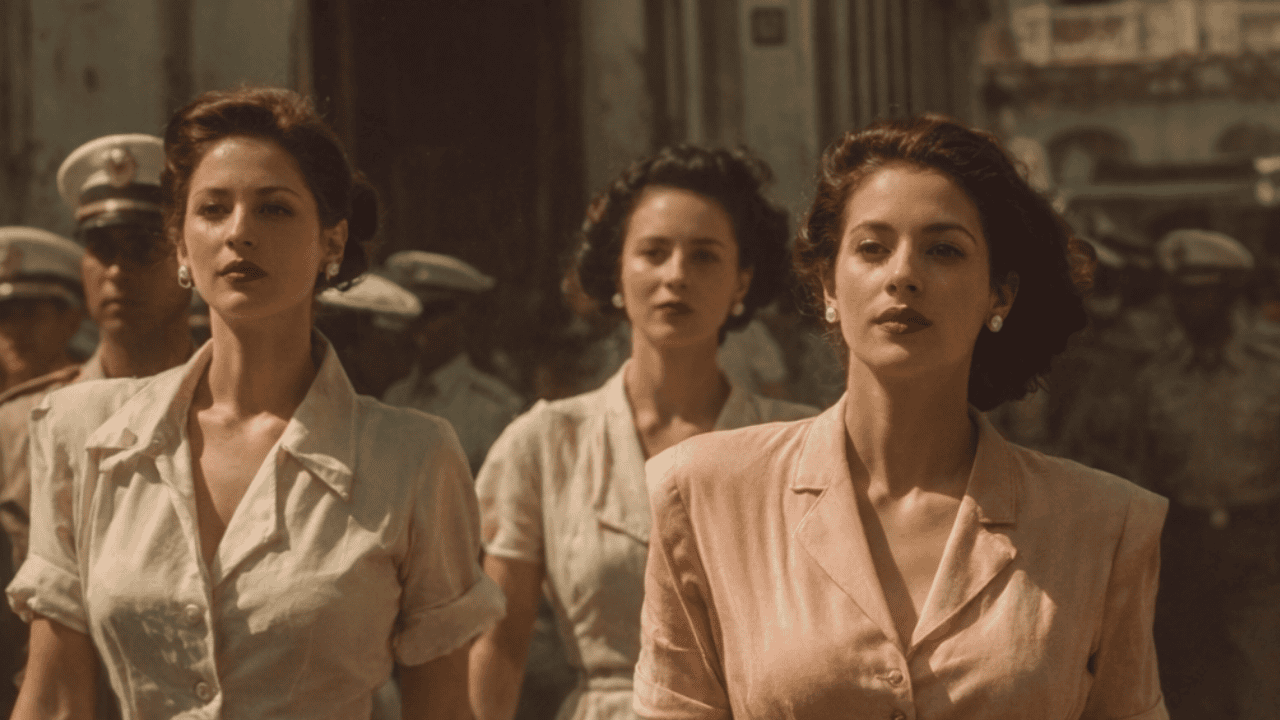
In 1960, in the Dominican Republic, three women who appeared to live ordinary lives were quietly taking part in something far more dangerous. Patria, Minerva, and María Teresa Mirabal were not soldiers or public figures in the traditional sense. They were mothers, sisters, and daughters. Yet behind that ordinary image, they had become some of the most determined voices against one of Latin America’s most oppressive regimes.
At the time, the country was under the rule of Rafael Trujillo, a dictator who had maintained power for decades through fear, violence, and strict control. Speaking out against him was not just risky—it was often fatal. Many chose silence. The Mirabal sisters did not.
Minerva, in particular, had long been outspoken about injustice, but all three sisters eventually became deeply involved in the resistance movement. They joined underground efforts to organize opposition, distribute information, and challenge the regime’s grip on power. Within these circles, they were known by a name that would later echo through history: Las Mariposas—“The Butterflies.”
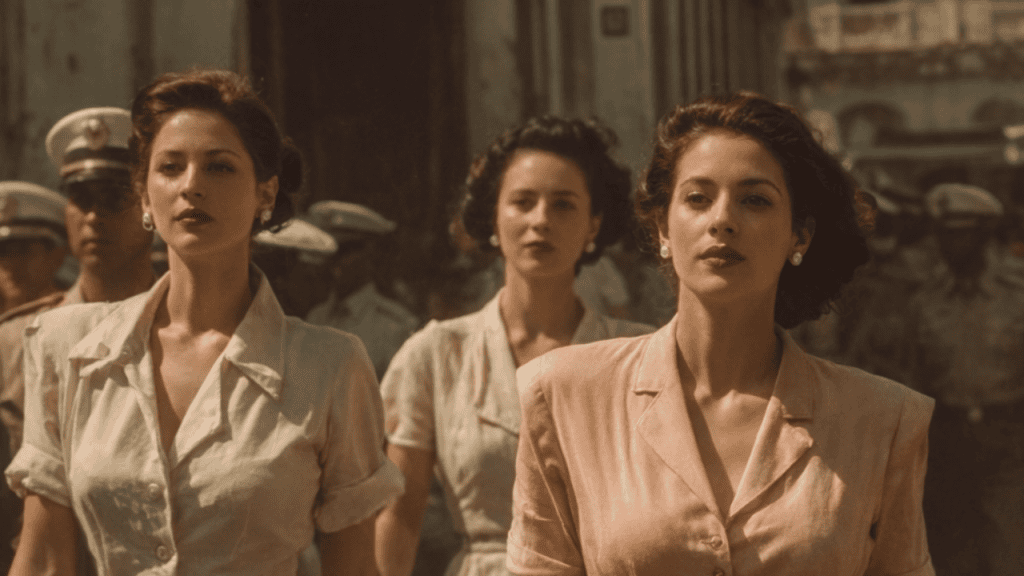
The name carried a quiet symbolism. Butterflies are delicate, but they also represent transformation and resilience. It was fitting for women who were helping to spark change in a country weighed down by fear.
Their activities did not go unnoticed. The regime kept a close watch on anyone suspected of dissent, and the Mirabal sisters became targets. They were harassed, threatened, and at times imprisoned. Yet even under pressure, they refused to step back. Their courage inspired others, slowly building a movement that challenged the illusion of absolute control.
On November 25, 1960, the three sisters were traveling to visit their imprisoned husbands when they were intercepted. What followed was an act meant to silence them forever. They were brutally killed on a remote mountain road, and their deaths were initially disguised as an accident.
But the truth could not be contained.
News of their assassination spread quickly, and instead of crushing resistance, it ignited it. The brutality of their deaths shocked the nation. People who had once been afraid to speak began to question the regime more openly. The Mirabal sisters, once part of a hidden movement, became symbols of defiance.
Within months, the pressure against Trujillo intensified. In 1961, less than a year after their deaths, his regime came to an end. While many factors contributed to his سقوط, the sacrifice of the Mirabal sisters played a powerful role in awakening public outrage.
Today, their legacy extends far beyond the Dominican Republic. November 25 is recognized internationally as the Day for the Elimination of Violence Against Women, honoring their memory and the courage they showed in the face of tyranny.
The Mirabal sisters did not set out to become symbols. They simply chose not to remain silent. In doing so, they helped change the course of their country’s history—proving that even in the darkest times, courage can take flight.