Hazel Ying Lee’s life was a powerful blend of determination, courage, and breaking barriers in a time when both her gender and ethnicity made her path far more difficult. She was not only a skilled pilot during World War II, but also a pioneer who challenged expectations and proved her place in aviation history.
Born in 1912 in Portland, Oregon, Hazel developed an early fascination with flying. At a time when opportunities for women—especially Chinese-American women—were limited, she pursued her passion with determination. She worked various jobs to pay for flight lessons and eventually earned her pilot’s license, refusing to let societal barriers hold her back.
When World War II began, Hazel joined the Women Airforce Service Pilots (WASP), a group of civilian female pilots who played a crucial role in supporting the U.S. military. Though they were not officially recognized as military personnel at the time, these women took on dangerous assignments, including ferrying aircraft, towing targets for live-fire training, and testing repaired planes.
Hazel quickly proved herself as a highly capable and fearless pilot. She flew multiple types of aircraft, delivering them from factories to military bases across the country. Her job required precision, confidence, and the ability to handle unexpected situations—qualities she consistently demonstrated.
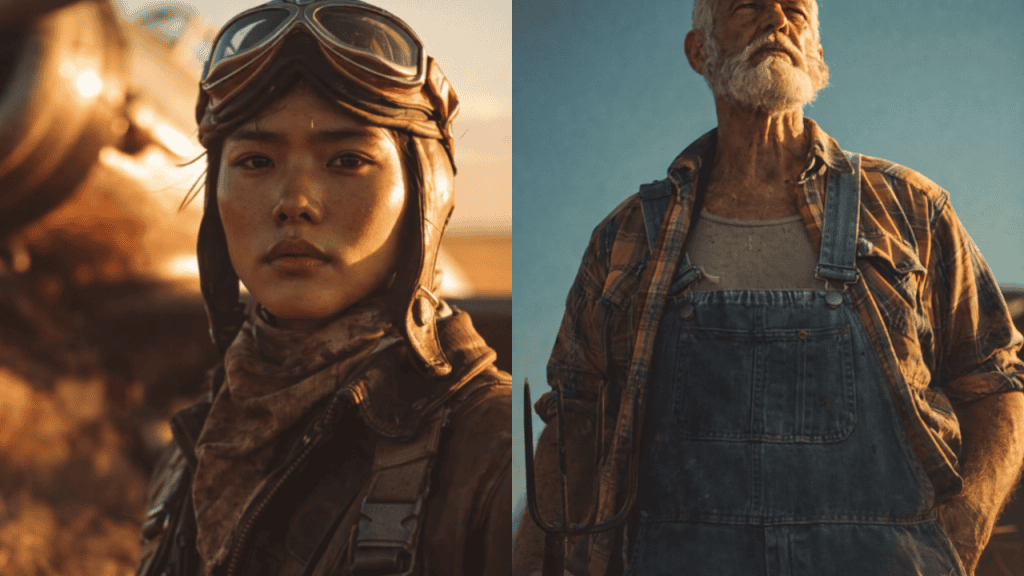
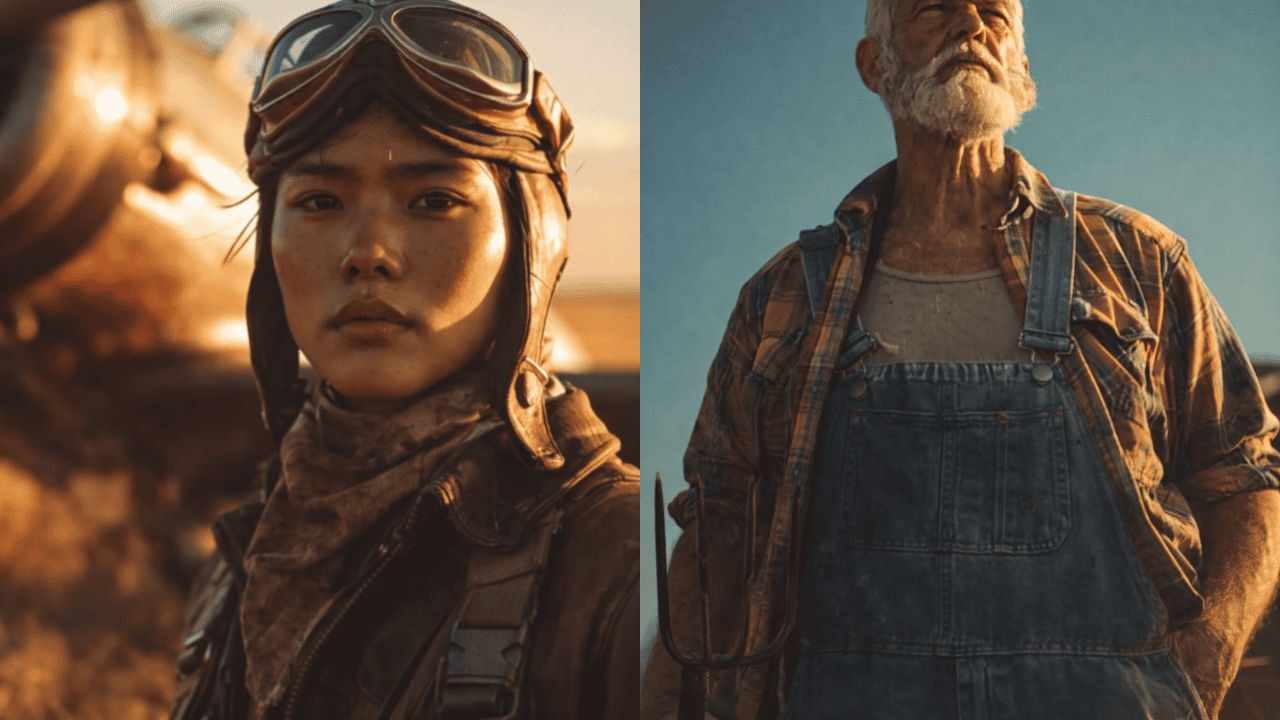
One incident during her service highlights both the challenges she faced and the prejudice of the era. During a flight, Hazel was forced to make an emergency landing in a field in Kansas. What should have been a routine recovery turned into a tense and surreal encounter. A local farmer, startled by the sudden appearance of an unfamiliar pilot, reacted with fear and suspicion. Mistaking her identity and influenced by wartime panic, he chased her around the plane with a pitchfork, shouting that the Japanese were invading.
In that moment, Hazel not only had to remain calm under pressure but also had to rely on her ability to communicate and defuse the situation. Despite the fear and confusion, she managed to convince the farmer of who she was and that she was an American pilot, not an enemy. It was a striking example of the unique challenges she faced—not just as a pilot in wartime, but as a Chinese-American woman navigating widespread prejudice.
Hazel continued her service with dedication until tragedy struck in 1944. While piloting a P-63 Kingcobra, she was involved in a mid-air collision during poor weather conditions and lost her life at just 32 years old.
For many years, the contributions of Hazel Ying Lee and other WASP pilots went largely unrecognized. It wasn’t until decades later that their service was formally honored. Today, Hazel is remembered as a trailblazer who broke barriers, served her country with courage, and faced both danger and discrimination with remarkable strength.
Her story is not just about aviation—it’s about resilience, identity, and the determination to rise above fear, both in the sky and on the ground.