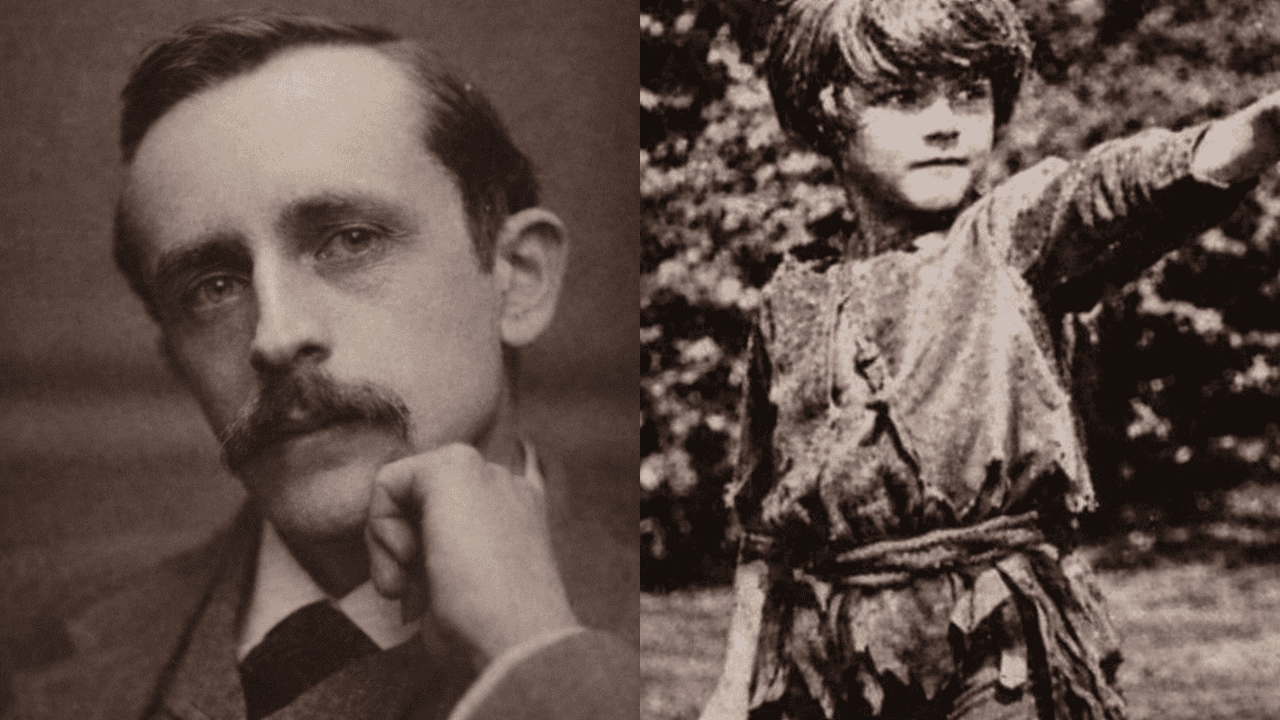
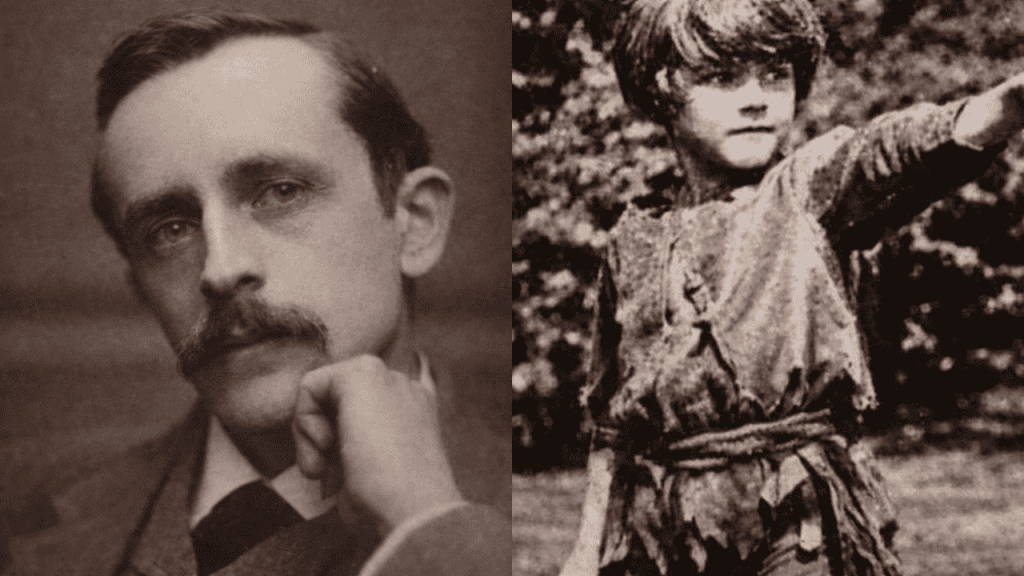
In the early twentieth century, Scottish writer J. M. Barrie created one of the most beloved characters in children’s literature—Peter Pan, the boy who never grows up. First appearing in Barrie’s 1904 stage play and later in the 1911 novel Peter and Wendy, the story of the adventurous boy who could fly and lived in the magical world of Neverland quickly captured the imagination of audiences around the world. Generations of children grew up hearing about Peter Pan, Captain Hook, and the Lost Boys, never suspecting that the story would also become part of an extraordinary act of real-world generosity.
Behind the whimsical tale was Barrie himself, a quiet and thoughtful man who often reflected deeply on childhood, imagination, and loss. Over time, Peter Pan became his most famous creation, bringing him significant success through theater productions, book sales, and later film adaptations.
But Barrie had a different idea about what should happen to the profits.
In 1929, he made a remarkable decision. Instead of keeping the financial rights to Peter Pan for himself or leaving them to his family, Barrie donated the entire copyright to Great Ormond Street Hospital in London, a hospital dedicated to treating sick children. The gift meant that every time the story of Peter Pan was performed on stage, published in print, or adapted into new forms of media, the hospital would receive the royalties.
It was a gesture that surprised many at the time. Literary copyrights were valuable, and Peter Pan had already proven to be an enduring success. Yet Barrie wanted the story to do more than entertain. He wanted it to help children in the real world.
For decades, the hospital quietly received income from the story’s popularity. Stage productions across Britain and around the world contributed to its funding, helping support medical care and research for young patients. Barrie’s donation became one of the most unusual and generous literary gifts in history.
Even after the copyright eventually expired in many countries, the United Kingdom passed special legislation allowing Great Ormond Street Hospital to continue receiving royalties from Peter Pan performances within the country. The arrangement recognized both the importance of Barrie’s gift and the ongoing role the story played in supporting the hospital.
The legacy of Peter Pan continued to grow throughout the twentieth century. Films, television adaptations, and new stage productions introduced the tale to each new generation. Among the most famous adaptations was Walt Disney’s animated film released in 1953, which helped cement Peter Pan as a permanent figure in popular culture.
Yet behind the adventure and magic of Neverland lies another story—one rooted in kindness rather than fantasy.
Because of J. M. Barrie’s decision nearly a century ago, the boy who never grows up has helped generations of real children receive care and treatment. The royalties from a story about eternal youth became a lasting source of support for a hospital dedicated to helping young lives grow, heal, and continue their own journeys.