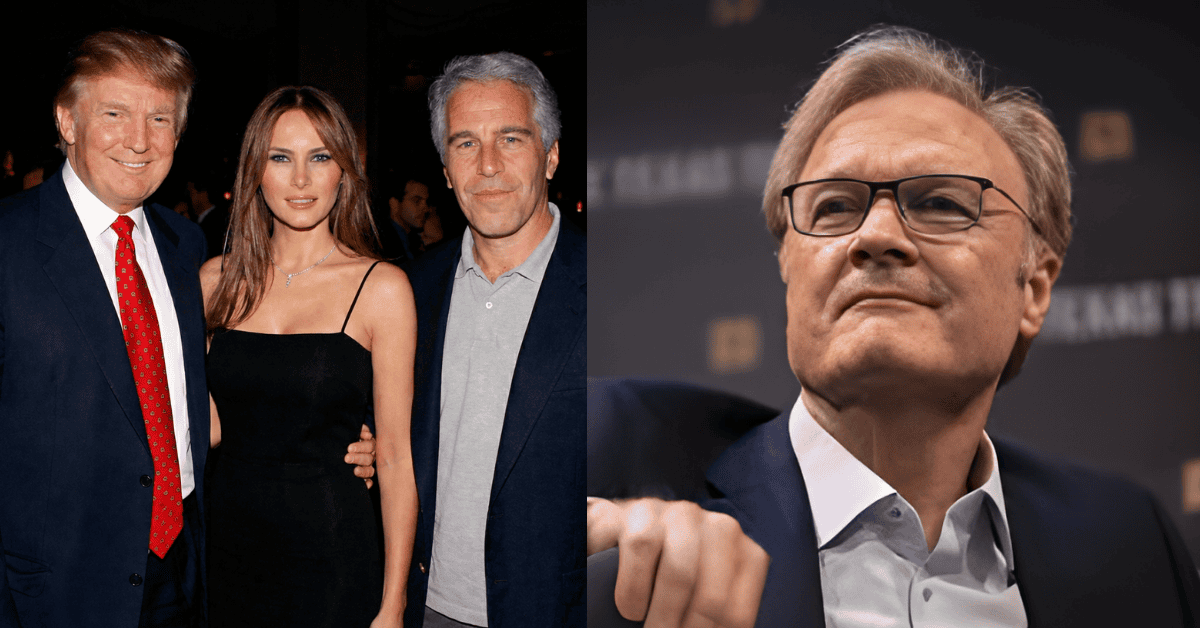
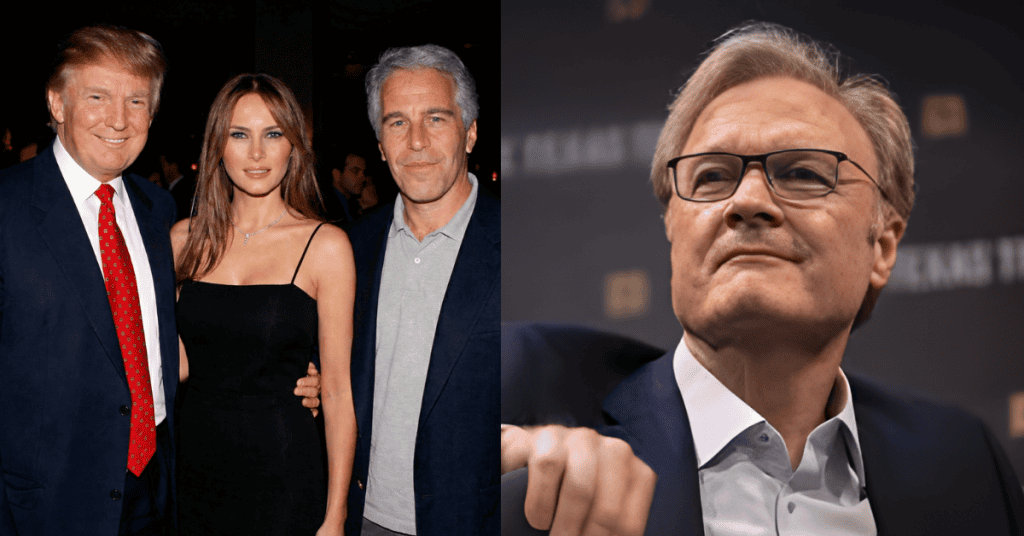
Recent online discussions have sparked speculation about whether Melania Trump could ever be asked to testify in matters connected to investigations surrounding Jeffrey Epstein. At present, however, these conversations remain largely speculative, and there has been no official indication from investigators, courts, or congressional bodies suggesting that she would be called to testify.
The renewed attention reflects the ongoing public interest in the Epstein case and the broader effort to understand the network of relationships that surrounded the disgraced financier. Epstein, who died in 2019 while awaiting trial on federal sex trafficking charges, maintained connections with numerous wealthy and influential individuals across politics, business, and entertainment. Because of this, discussions frequently arise about whether people who may have moved in overlapping social circles during that period could potentially help provide more clarity about events or timelines.
Some commentators argue that if investigators or lawmakers aim to fully understand the scope of Epstein’s network and the experiences of victims, testimony from a wide range of individuals who may have encountered him or his associates could contribute to a clearer picture. In these discussions, people sometimes reference the broader social environments that existed around Epstein and his associate Ghislaine Maxwell, who was convicted in 2021 on charges related to recruiting and grooming underage girls. Supporters of this perspective suggest that sworn testimony from various figures who may have crossed paths with Epstein’s circle could help establish timelines, clarify relationships, or shed light on what different people might have known at the time
Others, however, caution against drawing conclusions from speculation alone. Legal experts and analysts frequently point out that any decision to call someone as a witness—whether in a criminal trial, civil case, or congressional inquiry—depends on specific legal standards and procedures. Investigators must determine whether a person’s testimony would be directly relevant to an active investigation or proceeding. Without that clear legal relevance, there would generally be no basis for requiring someone to testify.
Additionally, individuals cannot be compelled to participate in legal proceedings without formal requests issued through proper legal channels. Subpoenas, court orders, or official invitations from investigative committees are typically required before someone is asked to provide testimony under oath. These processes ensure that investigations follow established legal frameworks designed to protect both the rights of witnesses and the integrity of the judicial system.
For now, there is no confirmed investigation or legal proceeding indicating that Melania Trump is being considered as a witness in any Epstein-related matter. The idea continues to circulate mainly as part of broader public discussions about transparency, accountability, and how authorities handle high-profile investigations involving powerful or well-connected individuals.
As the Epstein case remains a subject of intense public interest, questions about who may be asked to provide information or testimony continue to surface in online conversations and media commentary. Until any official action is announced, however, such discussions remain speculative rather than based on confirmed legal developments.