In the thick jungles and chaos of the Vietnam War, few stories of courage stand out quite like that of Kate Webb. She was not a soldier, nor did she carry a weapon. Yet in one of the most dangerous conflicts of the twentieth century, her determination placed her in the middle of events that many trained fighters feared to face.
Kate Webb left Sydney, Australia, in 1967 with a single goal: to report the truth of the war unfolding in Southeast Asia. Unlike many war correspondents, she had no military background or special protection. What she had instead was resolve and a belief that the world needed to understand what was happening in Vietnam. She quickly became known for her willingness to go where the story was, even when that meant traveling along dangerous roads, through jungles, and near active combat zones.
By 1968, Webb had already placed herself at the center of history. She was inside the U.S. Embassy in Saigon during the Tet Offensive, one of the most dramatic and shocking moments of the war. As fighting erupted across the city and chaos spread through the streets, Webb documented what she saw, reporting on the events as Saigon itself seemed to burn. Her work captured the confusion and intensity of a conflict that was changing the course of the war.
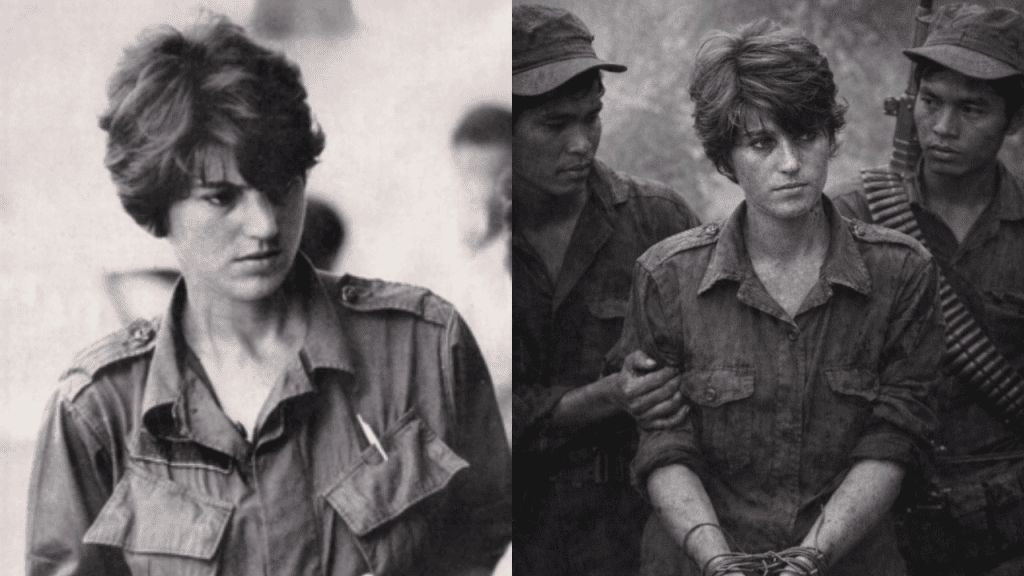
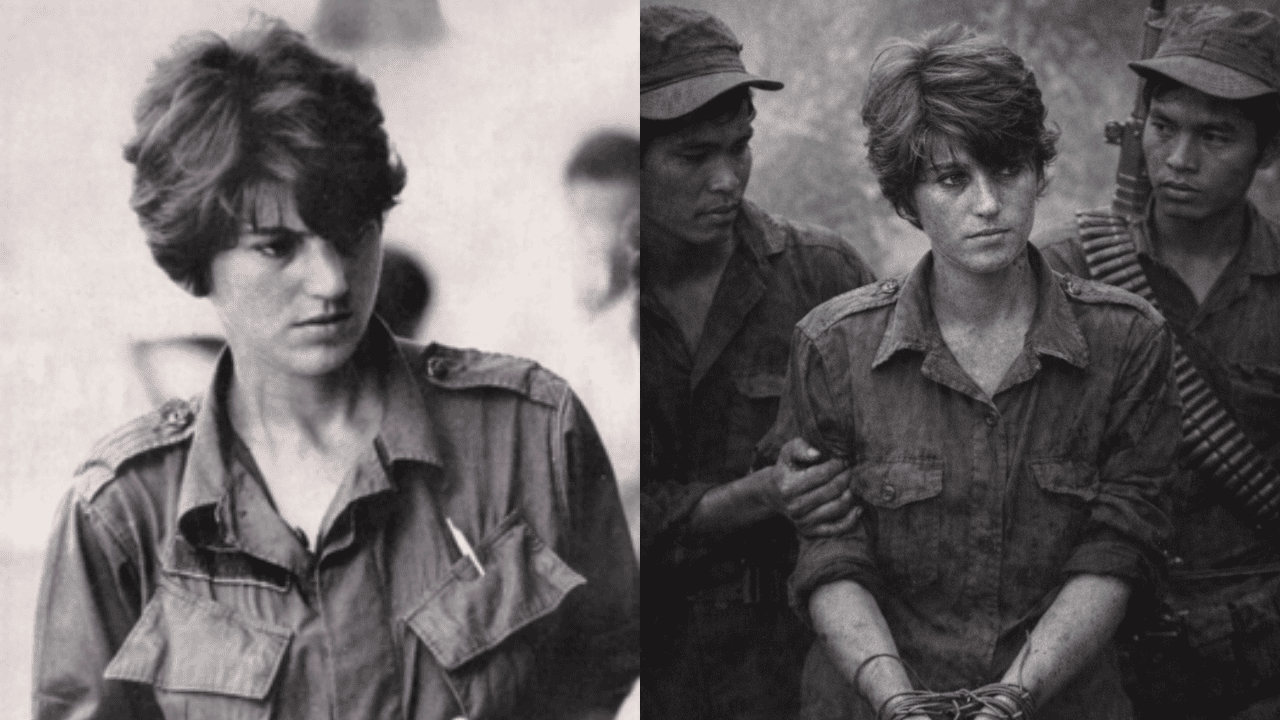
But the most harrowing chapter of her life came a few years later. In April 1971, while traveling along Highway 4 in Cambodia, Webb was caught in sudden gunfire. The situation turned quickly. Forced into a ditch during the chaos, she was captured by North Vietnamese soldiers. What followed was a terrifying ordeal that lasted twenty-three days.
During her captivity, Webb endured brutal conditions. She was sick with malaria and dysentery, constantly exhausted, and forced to march through the dense jungle while wounded and bleeding. The interrogations were relentless. Her captors demanded information, attempting to pressure her into cooperation. Yet Webb refused to break. Observant and mentally strong, she carefully studied her surroundings and the people guarding her, determined to survive.
Back home, many believed she had already died. News reports even mistakenly announced her death. But Webb endured. After more than three weeks of captivity, she was finally released.
What makes her story remarkable is not only that she survived, but what she chose to do next. Instead of leaving war reporting behind, Kate Webb returned to journalism. She continued covering conflicts and political turmoil across Asia for decades, reporting with the same courage that had carried her through the jungle.
Her experience later inspired the book On the Other Side, which recounts the reality of her captivity and survival. Kate Webb’s story remains a powerful reminder that bravery does not always wear a uniform. Sometimes it carries a notebook, a camera, and an unshakable commitment to telling the truth.