Survivors of Jeffrey Epstein’s Abuse Take Matters into Their Own Hands at Congressional Hearing
When the Department of Justice (DOJ) failed to reach out to the survivors of Jeffrey Epstein’s abuse, they decided to make their voices heard in a powerful way.
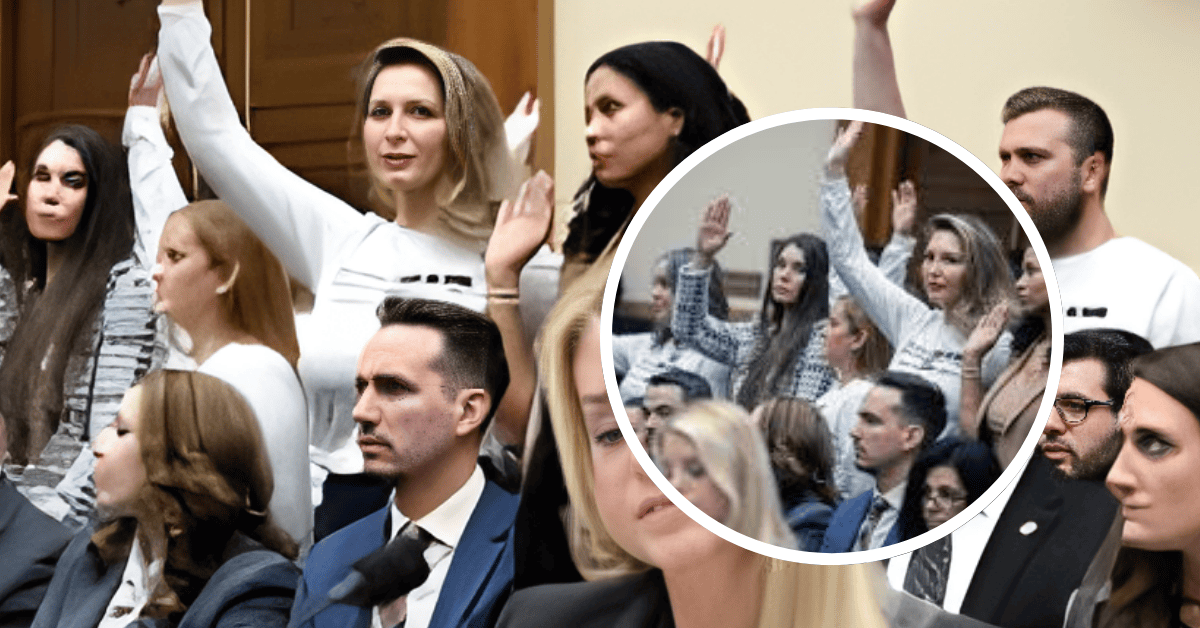
On February 11, 2026, several survivors attended a House Judiciary Committee hearing where Attorney General Pam Bondi was testifying. Among them were Teresa Helm, Dani Bensky, Jess Michaels, Marina Lacerda, and relatives of Virginia Giuffre, the late accuser. Despite their experiences, none of the survivors had been contacted or interviewed by the DOJ regarding the Epstein case.
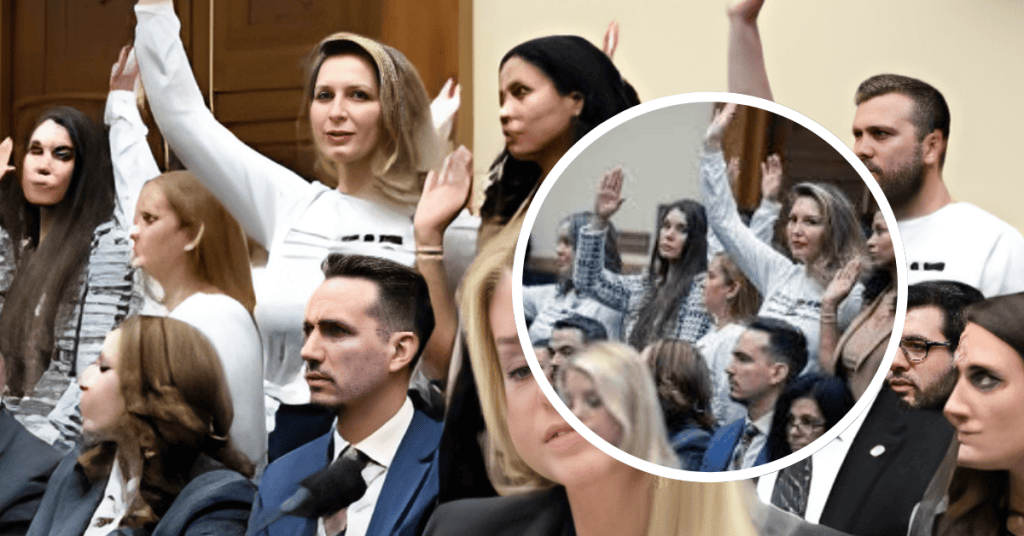
During the hearing, Representative Pramila Jayapal asked a poignant question. She asked anyone in the room who had not been contacted or interviewed by the DOJ to stand. Several survivors, including those who had experienced Epstein’s abuse firsthand, stood up and raised their hands.
Jayapal then turned to Bondi, asking if she would directly apologize to those survivors. The issue, as raised by the survivors, was that when files related to Epstein’s case were released, their names and personal details had not been properly redacted. Meanwhile, the names of powerful individuals connected to Epstein were mysteriously blacked out.
However, Bondi declined to offer an apology, brushing off the request as “theatrics.”
After the hearing, several survivors spoke to reporters about their emotional response to the moment. Many expressed feelings of hurt and disrespect, describing the encounter as further evidence of how little attention had been paid to those who had suffered under Epstein’s abuse. For them, the hearing was not just about securing justice; it was about demanding that their voices finally be heard.
For many of these survivors, simply standing up in that room was an act of defiance—making sure their presence was acknowledged and their pain was no longer ignored.