
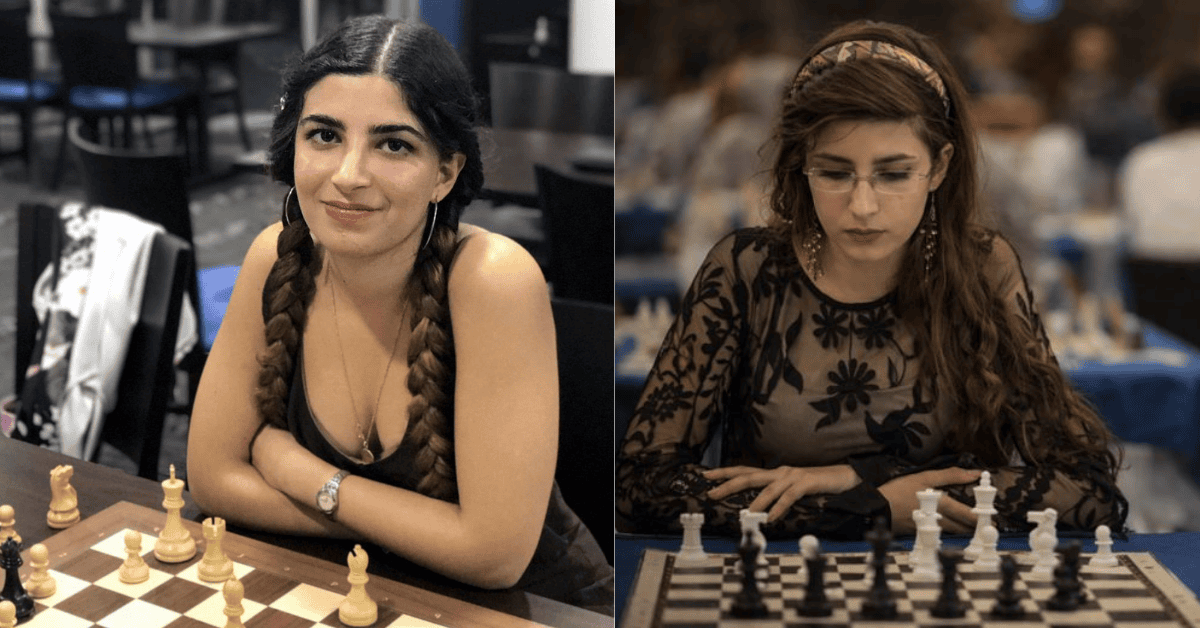
They tried to silence her.
She changed countries — and won.
Dorsa Derakhshani was still a teenager when she was forced to make a choice no athlete should ever have to face. As one of Iran’s most talented chess players, she had already represented her country on the international stage. Her future looked promising. But then came an ultimatum from Iranian authorities: comply with mandatory hijab rules at all times — or lose the right to compete.
For many athletes, that kind of pressure would have ended everything.
For Dorsa, it became the moment her life changed.
The issue wasn’t just about clothing. It was about control. About being told that her career, her identity, and her place in the sport depended on obedience rather than talent. After appearing at an international tournament without a hijab, Dorsa was effectively barred from representing Iran. The message was clear: fall in line, or disappear.
She chose neither.
Instead of surrendering her voice or walking away from chess, Dorsa made a far harder decision. She left her home country. She left behind familiarity, language, and security. And she started over.
Dorsa joined the United States Chess Federation, continuing her career on her own terms. There was no guarantee it would work. No promise of success. Just the belief that her skill, discipline, and love for the game deserved a future — even if it meant building that future from scratch.
What followed wasn’t decline.
It was success.
Free to compete without restrictions, Dorsa continued to rise at the highest levels of chess. She earned major international titles, defeated elite opponents, and proved that her talent had never been the issue. The problem had never been her ability — it had been the barriers placed around her.
Away from Iran’s control, her game flourished.
But Dorsa’s story is bigger than trophies and rankings. It’s about autonomy. About what happens when a woman refuses to let her worth be dictated by rules that have nothing to do with her skill. Chess is a game of strategy, foresight, and courage — and Dorsa embodied all three in her real life.
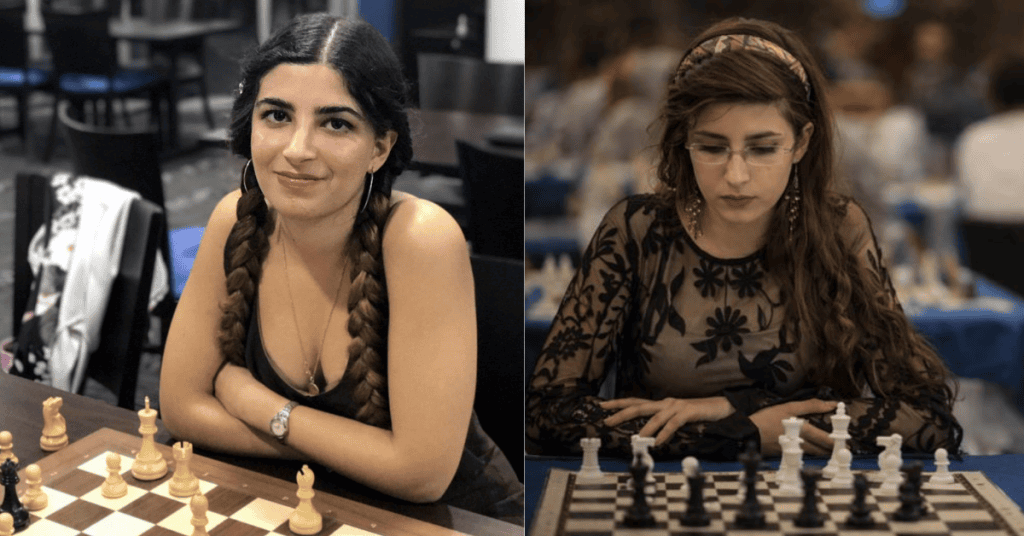
She didn’t protest loudly. She didn’t make speeches. She made a move — the bravest one on the board.
Leaving came with loss. Distance from family. The ache of exile. The knowledge that success would come without the flag she once represented. But Dorsa chose freedom over comfort, dignity over permission.
And she won.
Today, she stands as a symbol for countless women and athletes around the world who are told they must shrink, cover, or comply in order to belong. Her journey shows that sometimes the path forward isn’t about fighting within a system — it’s about walking away from it entirely.
They tried to silence her by taking away her platform.
Instead, she found a bigger one.
Dorsa Derakhshani didn’t just continue her career.
She reclaimed it.
And in doing so, she proved that no rule, no border, and no authority can outthink someone who refuses to stop playing their game.