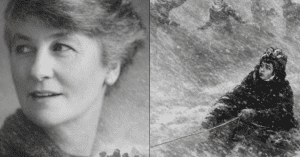
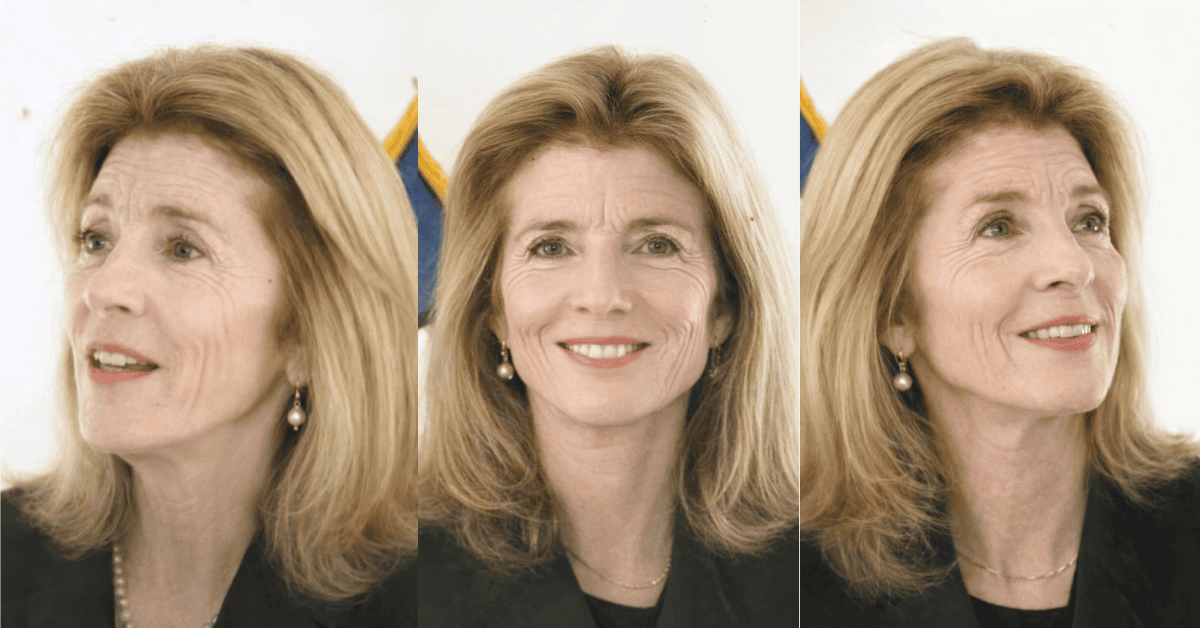
For Caroline Kennedy, legacy was never just about inheritance. It was about responsibility.
After the death of her mother, Jacqueline Kennedy Onassis, Caroline inherited a 336-acre estate on Martha’s Vineyard one of the most valuable pieces of private land on the island. The property, known for its rolling fields, ponds, and rare wildlife, could have been sold on the open market for an estimated $65 million or more.
Few would have questioned it.
Instead, Caroline Kennedy made a decision that surprised many. She sold the land for $37 million far below its potential market value to conservation organizations. The goal was simple but rare: protect the land forever.
The property became the Squibnocket Pond Reservation, a protected area now open to the public. Its meadows, wetlands, and coastline remain untouched by luxury development, preserving a landscape that might otherwise have disappeared behind gates and private roads.
For Caroline, the choice reflected values passed down through her family, especially by her mother.
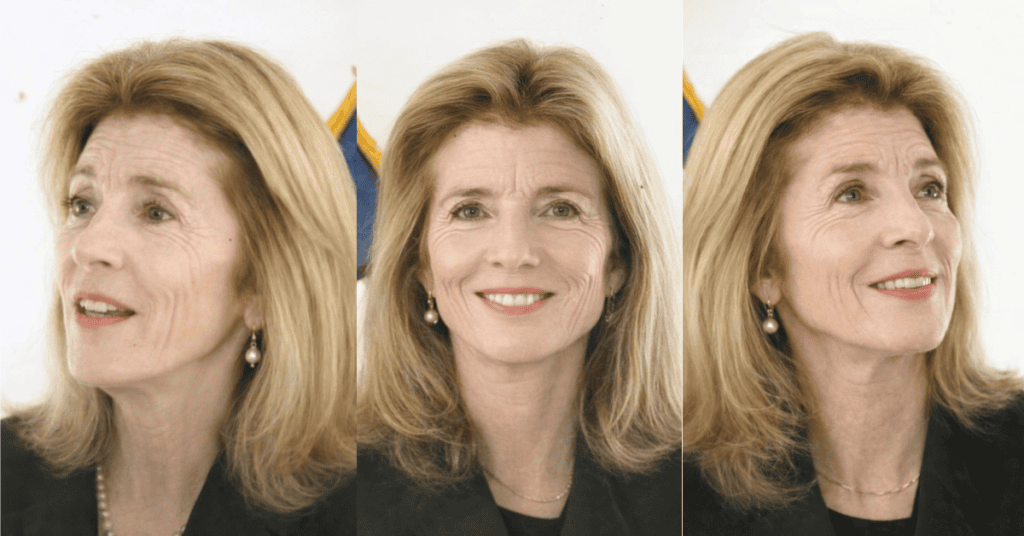
Jacqueline Kennedy was deeply committed to preservation, from saving historic landmarks in Washington, D.C., to protecting cultural heritage around the world. She believed that beauty and history belonged to everyone not just those who could afford them.
That belief carried forward.
Today, the Squibnocket Pond Reservation protects rare species, including arethusa orchids and northern harrier hawks. It serves as a living ecosystem, a place for education, conservation, and quiet reflection. Families can walk the trails. Scientists can study the land. Wildlife can thrive without disruption.
Caroline Kennedy did not make the decision publicly or dramatically. There were no press conferences announcing sacrifice. She simply chose long-term stewardship over short-term gain.
In an era when land is often treated as a commodity, her choice stands out. She declined a larger fortune so that future generations could experience something increasingly rare: untouched nature.
The impact of that decision will last far longer than any real estate transaction. Protected land does not age out of relevance. It becomes more valuable with time not in dollars, but in meaning.
Caroline Kennedy has spent much of her life in public service, from diplomacy to education. But this quieter act may be among the most enduring expressions of that service.
She honored her mother not with words, but with action.
By choosing conservation, she transformed private inheritance into public legacy. What could have been another exclusive estate became a shared space, preserved not for decades, but forever.
Sometimes the most powerful legacy isn’t what you keep.
It’s what you protect and pass on.