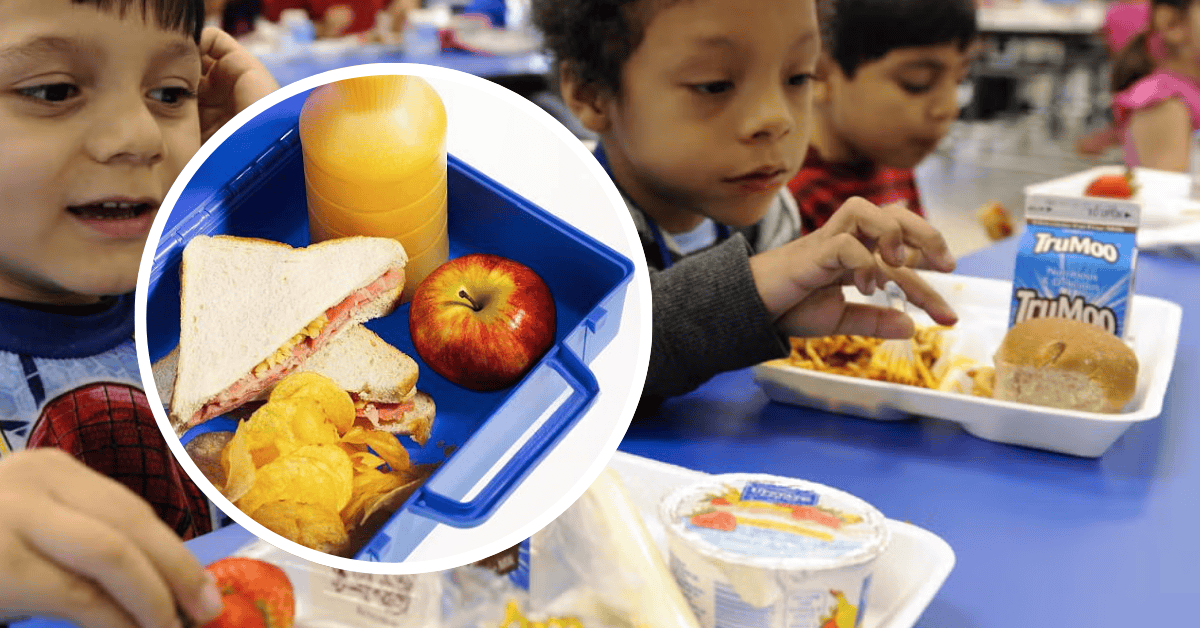
As a single dad, I always did my best to make sure my eight-year-old son, Jake, had what he needed. Every morning, I’d pack his lunch—nothing fancy, just the usual sandwich, chips, and a juice box. I thought it was enough. But one afternoon, Jake’s teacher called me at work, and her words immediately set off a wave of panic in me.
“We need to talk about the lunches,” she said, and I could already feel my heart sink.
“Is everything okay?” I asked, trying to brace myself for bad news.
“It’s Jake,” she replied. “He’s been… trading his lunch.”
I felt a sharp pain in my chest. “What do you mean, trading? Is someone bullying him, taking his food?”
“No,” she said, almost carefully. “He’s giving his lunch away. To Mia.”
Mia? I didn’t know the name, but I could feel the weight of her hunger in the way the teacher said it.
“Mia never brings lunch,” the teacher explained. “She says her mom forgets. Jake gives her his meal every single day.”
I went home that evening with a knot in my stomach. After dinner, I sat down with Jake and asked him about it.
“Why are you giving your lunch away every day?” I asked, trying to keep my voice calm.
He shrugged. “Mia’s always hungry. She looks at everyone’s food, and then she looks so sad. I just give her mine.”
“But then you’re hungry all day,” I said, feeling my chest tighten.
Jake just nodded, his eyes downcast. “I know, Dad. But Mia cries when her stomach hurts. I can wait until I get home.”
My heart broke. My eight-year-old son was sacrificing his own food to make sure another child wasn’t hungry. I was stunned—and deeply proud—but also angry. How could this be happening?
I immediately called the school to ask about options for kids like Mia. “What about free lunch programs?” I asked.
“She doesn’t qualify,” the school staff told me. “Mia’s family makes $47 too much to qualify for free lunch, but it’s still not enough for them to afford meals regularly.”
$47. That was the line between eating and starving. And it wasn’t just Mia.
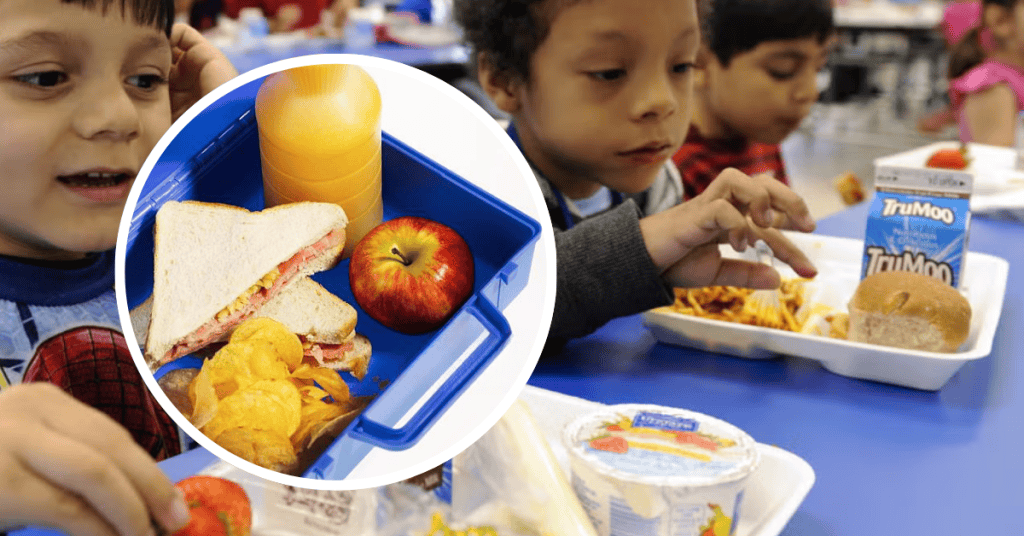
I decided to do something. The next day, I started packing two lunches: one for Jake and one for him to share. The extra lunch was simple—just a sandwich and some chips—but it made me feel better knowing Jake wasn’t the only one trying to look out for his classmate.
But the more I thought about it, the more I realized: how many other kids were going hungry because their families made just a little bit too much to qualify for assistance? How many kids were silently suffering because of some arbitrary line drawn by the system?
I posted in the school’s parent Facebook group: “If your child has a classmate who never brings lunch, let me know. I’ll pack an extra.”
The response was overwhelming. Twelve other parents reached out to me, all sharing stories about children who were hungry because their families made just slightly too much to qualify for free lunch. They were stuck in the gap—a gap that was keeping kids like Mia from getting the basic nutrition they needed to succeed in school.
We started organizing. Each parent agreed to pack one extra lunch. It was simple—no names, no shame. Teachers would quietly distribute the extra meals to the kids who needed them. It wasn’t a grand gesture, but it made a world of difference to the kids who got those lunches.
But then, the school stepped in. They tried to shut it down. “Liability issues,” they said.
Parents were outraged. “You’d rather kids go hungry than have liability issues?” one parent fired back. It became a point of contention. We weren’t just helping kids; we were challenging a system that allowed children to go without food, simply because their families didn’t fit into the narrow eligibility criteria for assistance.
The story got picked up by local news. “Parents start lunch program for kids in coverage gap,” the headline read. The pressure grew, and eventually, the school board changed the policy. They expanded the free lunch eligibility, ensuring more children could get the meals they needed without having to choose between food and their education.
Now, Jake is nine. Every day, he still asks me to pack an extra lunch, just in case there’s someone who needs it. “What if someone’s hungry, Dad?” he asks, and it hits me every time.
In the end, my son taught me something profound. Adults build systems that let children go hungry over $47. But sometimes, it takes a child’s selflessness—Jake’s willingness to give up his own food for a friend—to show us how broken those systems really are. And sometimes, it takes that act of kindness to push us to make a change.