
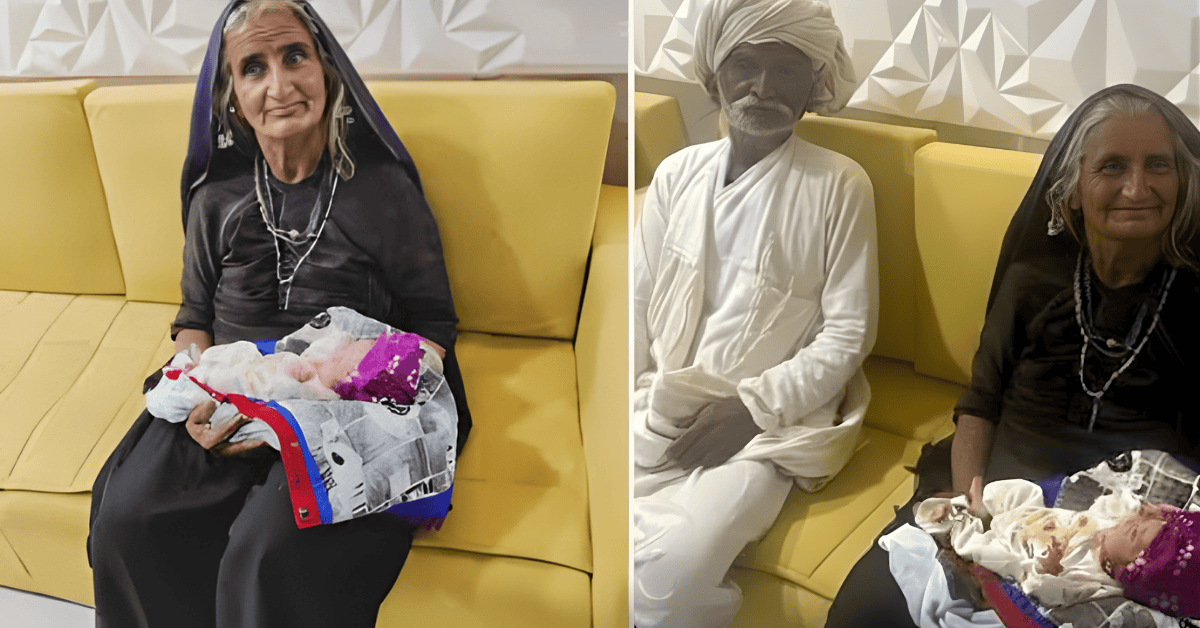
At an age when many people are embracing grandparenthood, one woman has made headlines by giving birth to her first child at 70 years old, setting a record as one of the oldest first-time mothers ever documented. The news has sparked fascination, admiration, and a lively global debate about the possibilities- and limits – of modern medicine.
The pregnancy was made possible through assisted reproductive technology, a field that has advanced rapidly over the past few decades. With procedures such as in vitro fertilization (IVF) and hormone treatments, medical science can now support pregnancies that were once considered impossible. In this case, the technology allowed her to carry a child safely to term, highlighting the remarkable capabilities of modern fertility medicine. For many, the story is a testament to human innovation and determination, showing that age does not necessarily have to limit life-changing experiences like motherhood.
Yet, alongside the admiration, the story has also sparked concern. Medical experts caution that pregnancies at such an advanced age carry significant health risks, including complications for both the mother and the baby. Pregnancy naturally strains the body, and even with careful medical monitoring, the potential for problems is higher in older patients. Additionally, there are long-term considerations about parenting at an age when many parents would typically be preparing for retirement, including the physical demands of raising a child and the emotional and practical aspects of planning for a child’s future.
The ethical dimension of this case has also prompted widespread discussion. Some argue that pushing the boundaries of reproductive medicine is a personal choice, reflecting autonomy and the desire to create life against the odds. Others question whether it is responsible to bring a child into the world when the parent’s advanced age may limit their ability to provide long-term care. This debate touches on fundamental questions about the role of medical technology, parental responsibility, and how society should navigate the intersection of science and ethics.
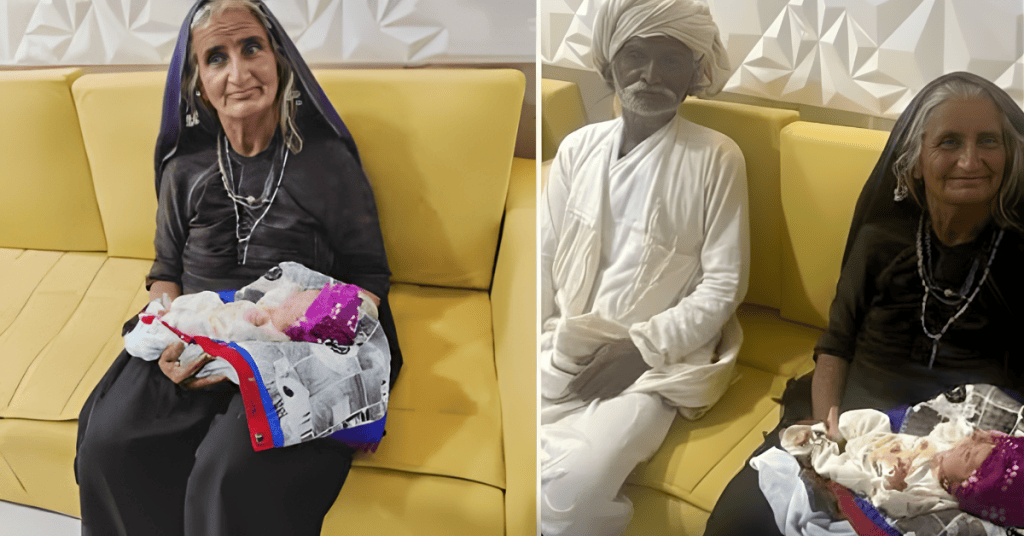
Despite the controversy, the birth has inspired many who see it as a story of hope, perseverance, and the boundless possibilities of human ambition. For the woman herself, it represents the fulfillment of a lifelong dream and a deeply personal triumph. Friends, family, and supporters celebrate her courage and determination, recognizing the extraordinary lengths she went to make motherhood a reality at a time in life when most people assume such dreams are behind them.
This remarkable case is more than just a medical milestone – it’s a moment that challenges our perceptions of age, capability, and the ever-evolving potential of modern medicine. While debates about ethics, risk, and responsibility continue, the story also serves as a reminder of the human capacity for hope, resilience, and the desire to pursue dreams, no matter how unconventional they may seem. It underscores the complex intersection of science, choice, and the deeply personal journey of bringing new life into the world.