
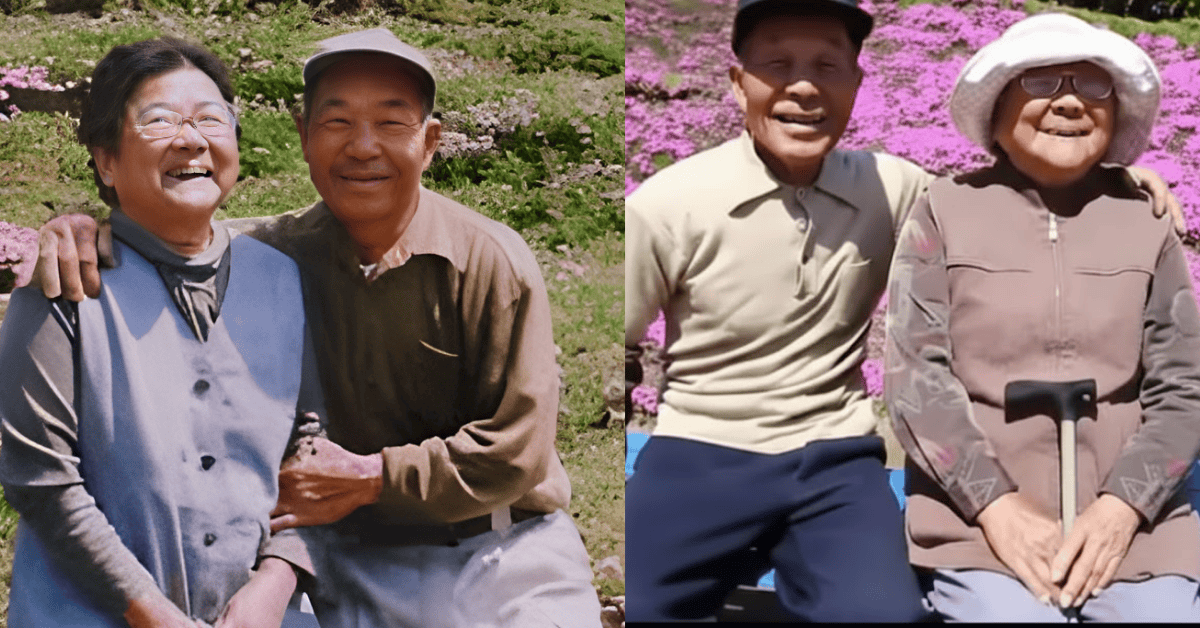
In the small town of Shintomi, Japan, Mr. and Mrs. Kuroki spent more than 30 years working side by side as dairy farmers while raising their two children. Their days were long and physically demanding, but they shared a simple dream that sustained them through the years: when retirement came, they would travel across Japan together and finally enjoy the freedom they had earned. Life, however, had other plans waiting for them.
When Mrs. Kuroki was just 52 years old, she lost her eyesight due to complications from diabetes. The sudden blindness shattered her sense of independence and safety. Once active and social, she fell into a deep depression and gradually withdrew from the world, refusing to leave their home. Mr. Kuroki watched helplessly as his wife’s joy disappeared, replaced by silence and isolation. The pain of seeing her suffer became heavier than the physical exhaustion he had known from decades of farming.
Desperate to help her rediscover meaning and happiness, Mr. Kuroki searched for a way to reconnect his wife with the outside world. One day, he noticed strangers slowing down to admire a small patch of pink shibazakura, also known as moss phlox, growing in their yard. He realized something profound: even though his wife could no longer see the flowers, she could still experience their rich fragrance and feel the warmth of human connection from visiting guests.
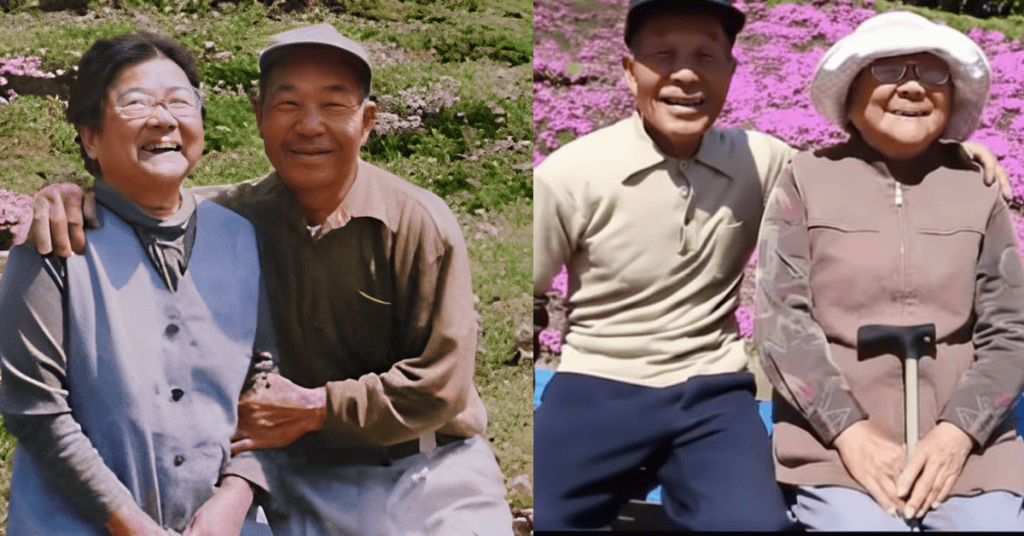
With that realization, Mr. Kuroki made a bold and selfless decision. He stopped dairy farming entirely and committed himself to a new purpose. Over the next two years, he cleared hundreds of trees from their land and carefully planted thousands upon thousands of shibazakura flowers. The work was exhausting and time-consuming, but every step was fueled by love and hope. Each flower planted was a quiet promise to his wife that life could still hold beauty.
Slowly, the transformation worked. Drawn by the scent of the blossoms and the presence of curious visitors, Mrs. Kuroki began stepping outside again. She smiled, spoke with guests, and reconnected with the world she once feared was gone forever. Today, their former farm has become a renowned tourist destination, welcoming up to 7,000 visitors a day during peak bloom. The garden stands as a living testament to devotion, where the couple can often be seen walking together, surrounded by a sea of pink and a love that never faded.
For many people who visit, the flowers represent more than beauty or tourism. They symbolize patience, sacrifice, and a marriage rooted in action rather than words. Mr. Kuroki never tried to fix his wife’s blindness, only her loneliness. By reshaping their land, he reshaped her world, proving that love adapts when life changes. As seasons pass and petals fall, their story continues to remind visitors that devotion is often quiet, persistent, and grown carefully over time. Together, they show how compassion can bloom unexpectedly, turning personal grief into shared wonder, and offering hope to anyone searching for light after profound loss and lasting human connection.