
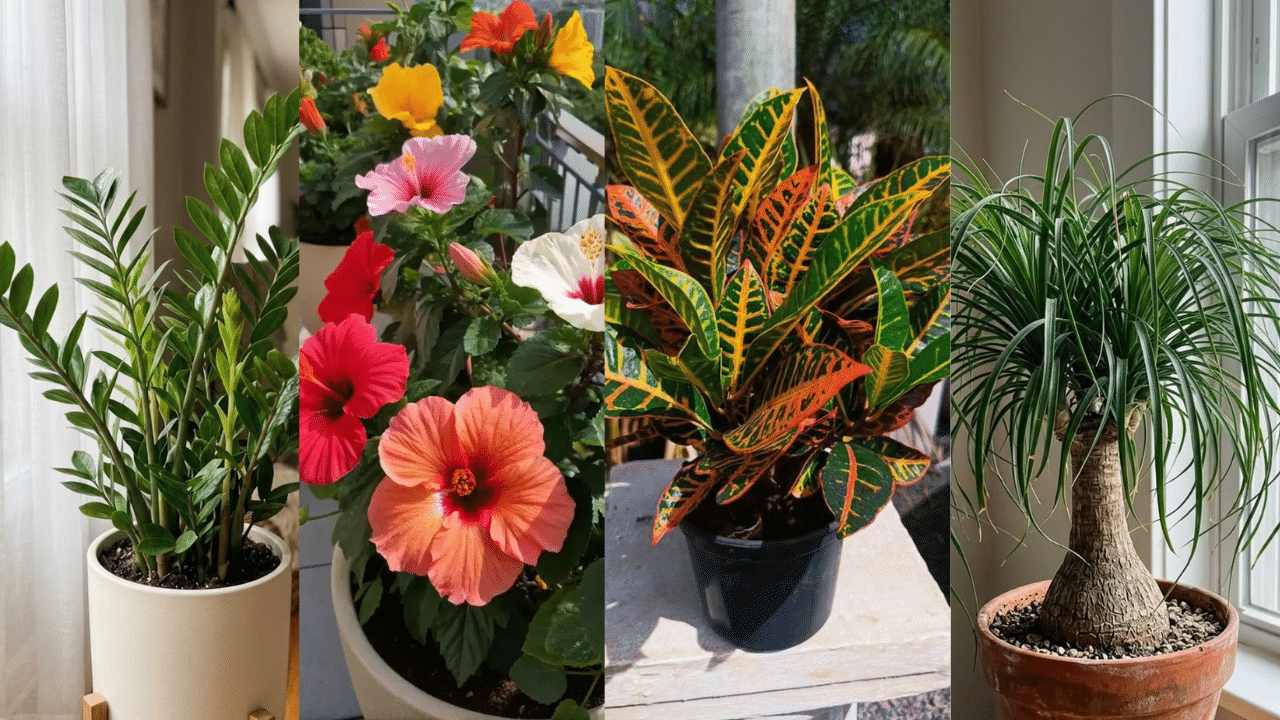
West-facing windows can be wonderful spots for growing indoor plants because they receive plenty of afternoon sunlight. Unlike east-facing windows, which get gentle morning light, west-facing windows usually receive warmer and more intense sunlight later in the day. This creates a bright environment that many tropical plants, succulents, and sun-loving houseplants can enjoy. However, the intensity of the light can change depending on the season, window size, curtains, and nearby buildings.
Choosing the right plants for a west-facing window can help you create a beautiful indoor garden without constantly worrying about sun damage. Some plants thrive in several hours of bright indirect light, while others appreciate a little direct afternoon sunshine. Here are 11 of the best indoor plants to consider, along with simple care tips to help them grow happily near your window.
1. Snake Plant
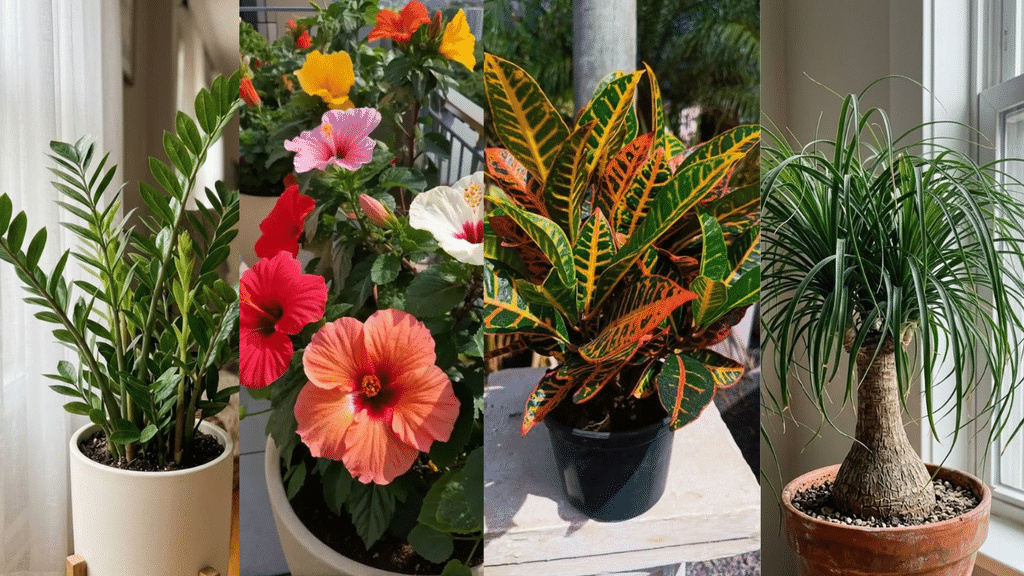
The Snake Plant (Dracaena trifasciata) is an excellent choice for a west-facing window because it can tolerate different lighting conditions. Its tall, upright leaves add a modern touch to indoor spaces, making it perfect for bedrooms, living rooms, and home offices. Although it can survive in lower light, it generally grows better with bright, indirect sunlight.
A west-facing window can provide the brightness this plant needs, but intense afternoon sunshine may scorch its leaves if it is placed directly against the glass. Keep it slightly away from the window or use a sheer curtain when the sunlight becomes too strong.
Tip: Allow the soil to dry out completely between waterings. Snake plants prefer slightly dry conditions and are more likely to suffer from overwatering than underwatering.
2. Aloe Vera
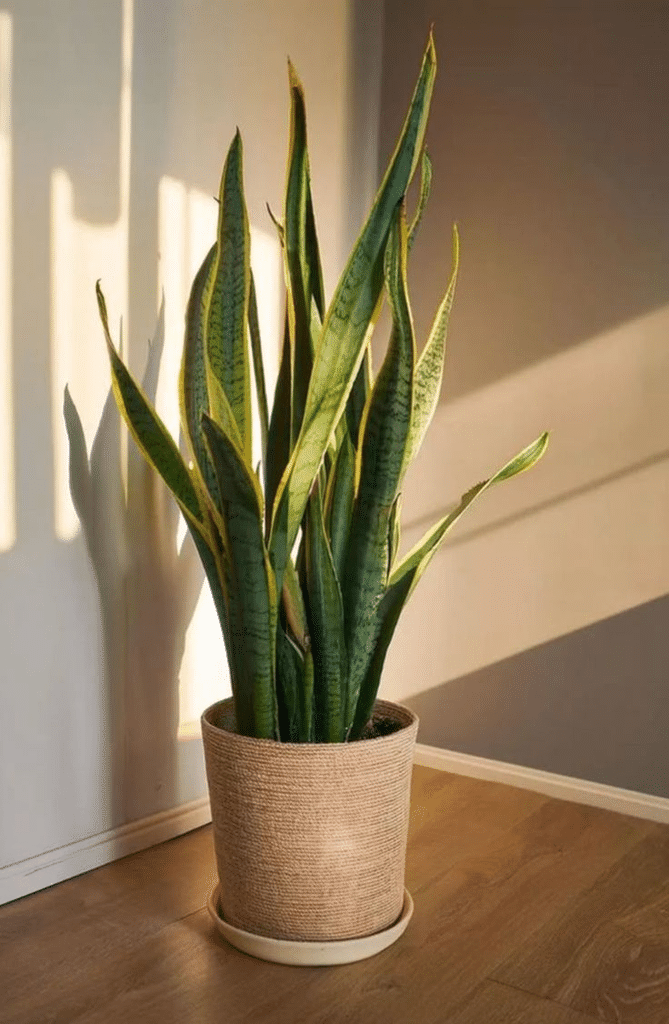
Aloe Vera is a beautiful, low-maintenance succulent that enjoys plenty of bright light. Its thick, fleshy leaves store water, making it a practical choice for people who sometimes forget to water their houseplants. A west-facing window can provide the sunlight Aloe Vera needs to grow strong and maintain its compact shape.
This plant looks especially attractive in a terracotta pot placed on a sunny windowsill. However, if it has been growing in a shaded location, introduce it to stronger afternoon sunlight gradually to prevent leaf damage.
Tip: Use a well-draining cactus or succulent potting mix and choose a container with drainage holes. Water only when the soil has dried out.
3. Jade Plant
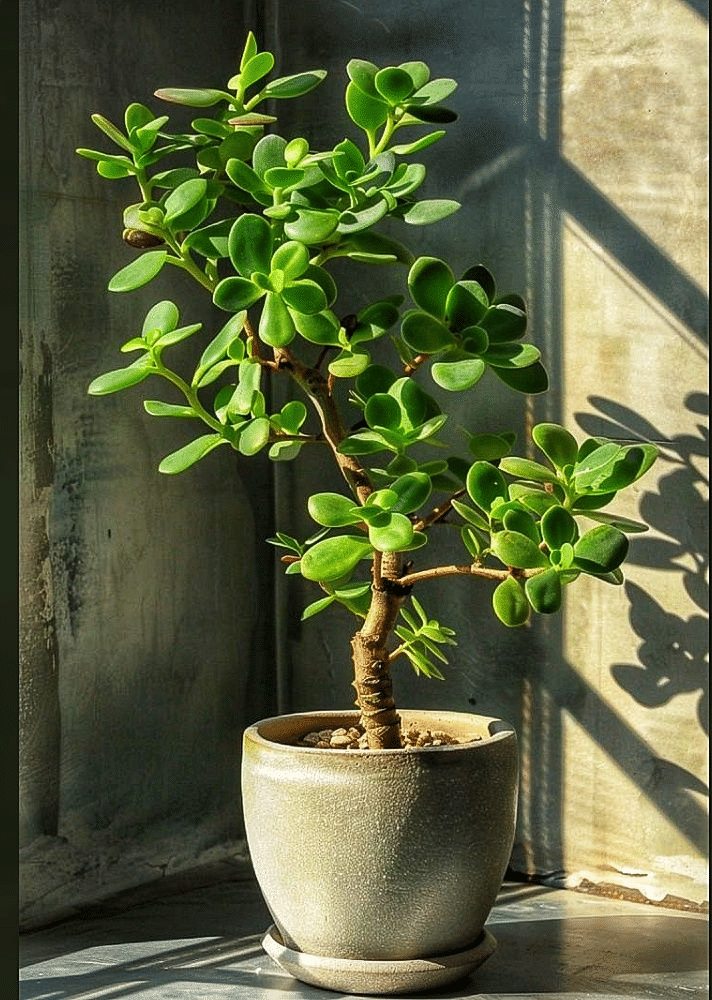
The Jade Plant (Crassula ovata) is a popular succulent known for its thick branches and rounded, fleshy leaves. It enjoys bright light and can grow particularly well near a west-facing window. With enough sunlight, its leaves may develop attractive reddish edges, adding extra color to your indoor plant collection.
Jade plants are slow-growing and can eventually develop a small, tree-like appearance. They look lovely on windowsills, shelves, and small plant stands. Since afternoon sunlight can be intense, watch for signs of leaf scorching if the plant is placed directly against the glass.
Tip: Give your Jade Plant several hours of bright light whenever possible, and let the soil dry between waterings.
4. Rubber Plant
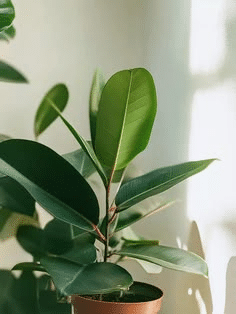
The Rubber Plant (Ficus elastica) is a striking indoor plant with large, glossy leaves that can instantly make a room feel greener. It prefers bright, indirect light and can do well in a west-facing room when positioned a short distance from the window.
Its attractive foliage comes in different varieties, including deep green and burgundy shades. A young rubber plant can decorate a small corner, while a mature one can become an impressive statement plant. Avoid exposing it suddenly to strong afternoon sunshine, especially if it has previously been growing in a darker location.
Tip: Rotate the pot occasionally so all sides receive light and the plant grows more evenly. Water when the top layer of soil feels dry.
5. Ponytail Palm
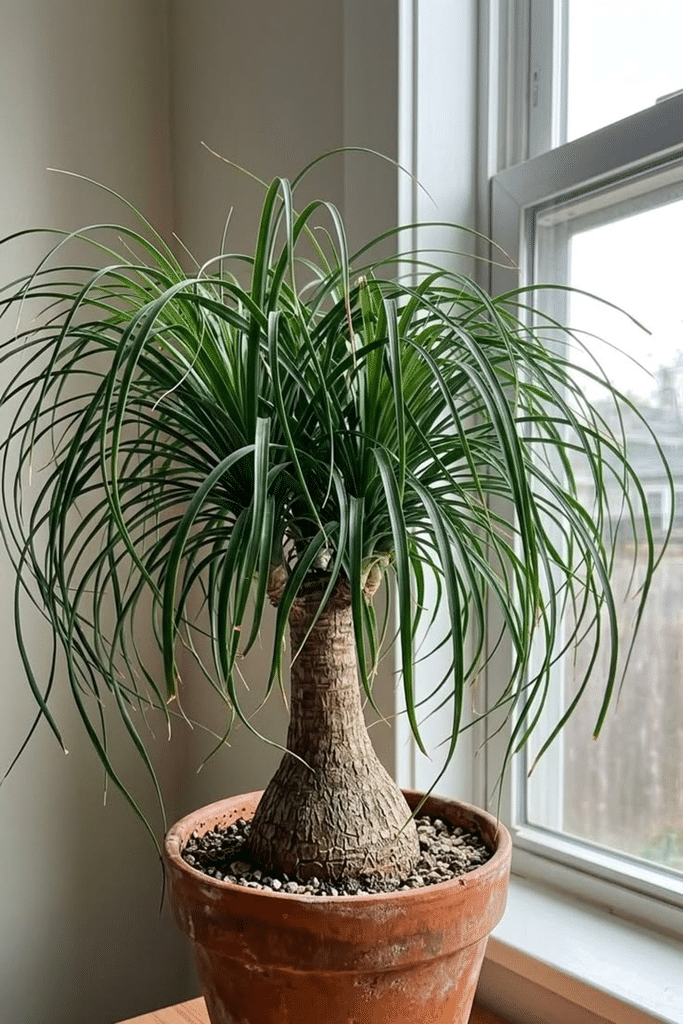
The Ponytail Palm (Beaucarnea recurvata) is a distinctive houseplant with a thick, swollen trunk and long, curling leaves. Despite its name, it is not a true palm. It is a drought-tolerant plant that appreciates bright light and can adapt well to a sunny west-facing window.
Its unusual shape makes it a beautiful decorative feature for modern, minimalist, and bohemian interiors. The swollen trunk stores water, so it does not need frequent watering. It generally prefers a bright location where it can receive plenty of natural light.
Tip: Use a well-draining soil mix and avoid leaving water in the pot. Overwatering can cause the roots and trunk to rot.
6. Croton
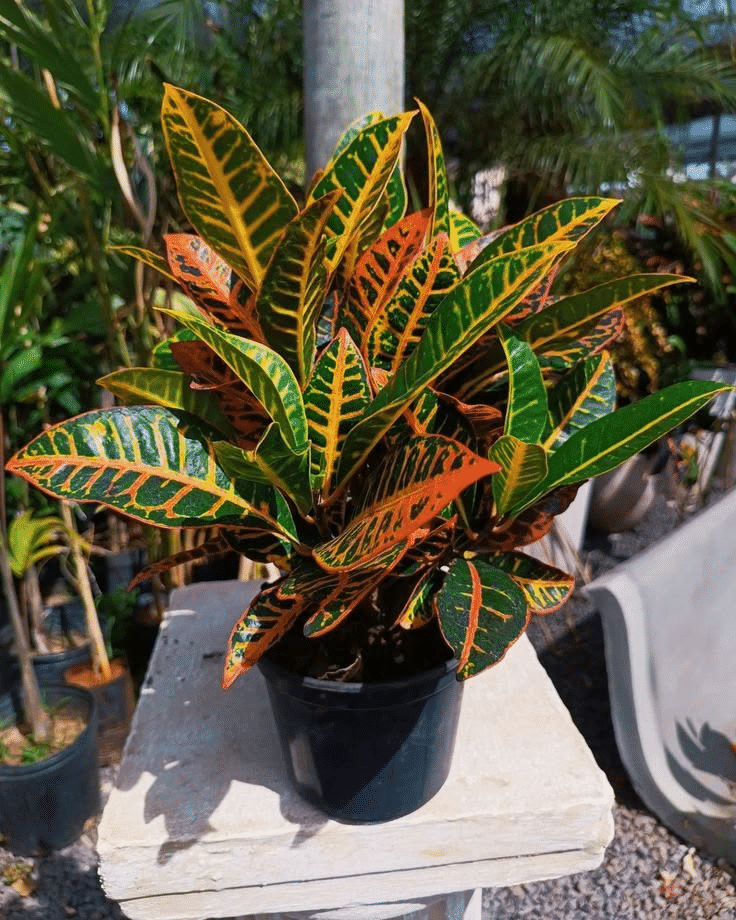
Croton (Codiaeum variegatum) is an eye-catching indoor plant known for its colorful leaves. Depending on the variety, its foliage can feature shades of green, yellow, orange, red, and burgundy. Bright light helps maintain its vibrant colors, making a west-facing window an attractive location for this tropical plant.
Although Crotons appreciate bright conditions, strong afternoon sunlight through glass can sometimes be too intense. Start by placing the plant near the window rather than directly against it, then observe how it responds. It also prefers warmth and relatively consistent moisture.
Tip: Keep the soil lightly moist but never waterlogged. Avoid sudden changes in temperature or moving the plant frequently, as it may respond by dropping leaves.
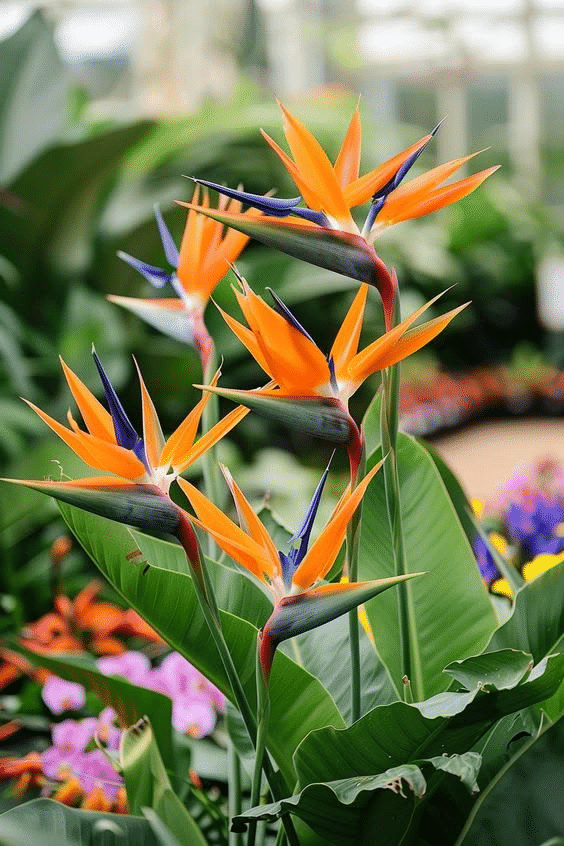
7. Bird of Paradise
The Bird of Paradise (Strelitzia) is a dramatic tropical plant with large, paddle-shaped leaves. It loves bright light and can thrive in a sunny indoor location when given enough space. A west-facing window can provide useful afternoon brightness, especially for larger plants that need plenty of light.
Its bold foliage creates a tropical atmosphere and works beautifully in spacious living rooms or bright corners. While it can tolerate some direct sunlight, gradually introduce it to stronger light to avoid leaf damage. Remember that mature plants can become quite large, so choose a suitable location before bringing one home.
Tip: Rotate the pot occasionally and wipe the leaves with a damp cloth to remove dust and help keep the foliage looking fresh.
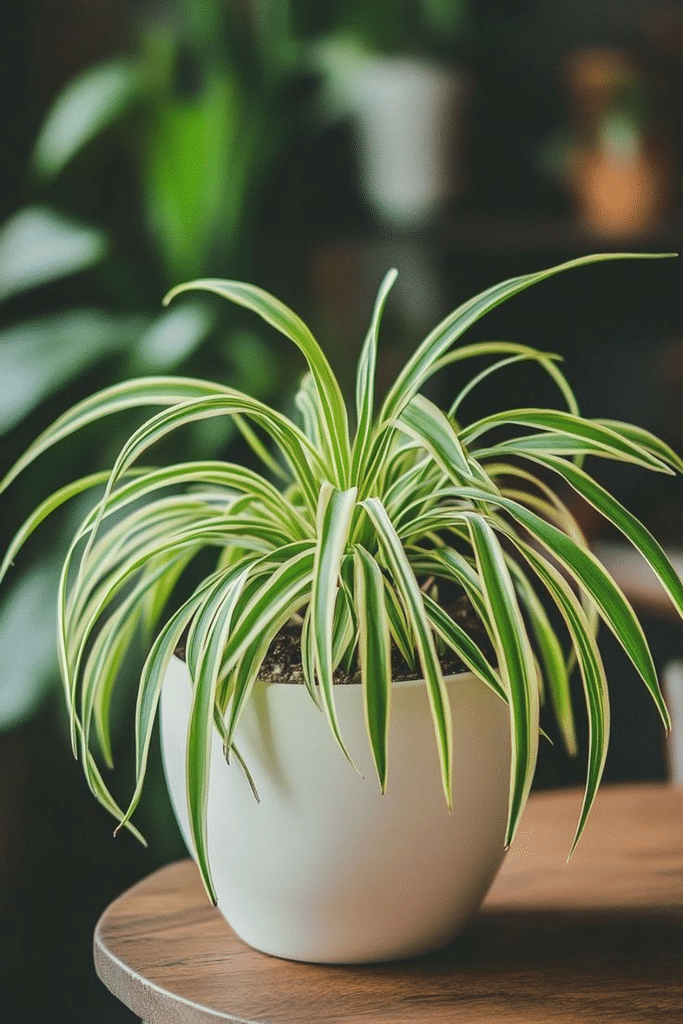
8. Spider Plant
The Spider Plant (Chlorophytum comosum) is a popular houseplant that is easy to grow and attractive in hanging baskets. Its long, arching leaves often feature green and white stripes, creating a fresh look near windows. It prefers bright, indirect light, so a west-facing window can be suitable when the afternoon sun is softened with a curtain.
One of its most charming features is the small plantlets that grow on long stems. These can be propagated to create new plants, making it a great option for anyone who wants to expand an indoor garden.
Tip: Avoid placing the plant in harsh afternoon sunlight for extended periods. Water when the top layer of soil begins to dry.
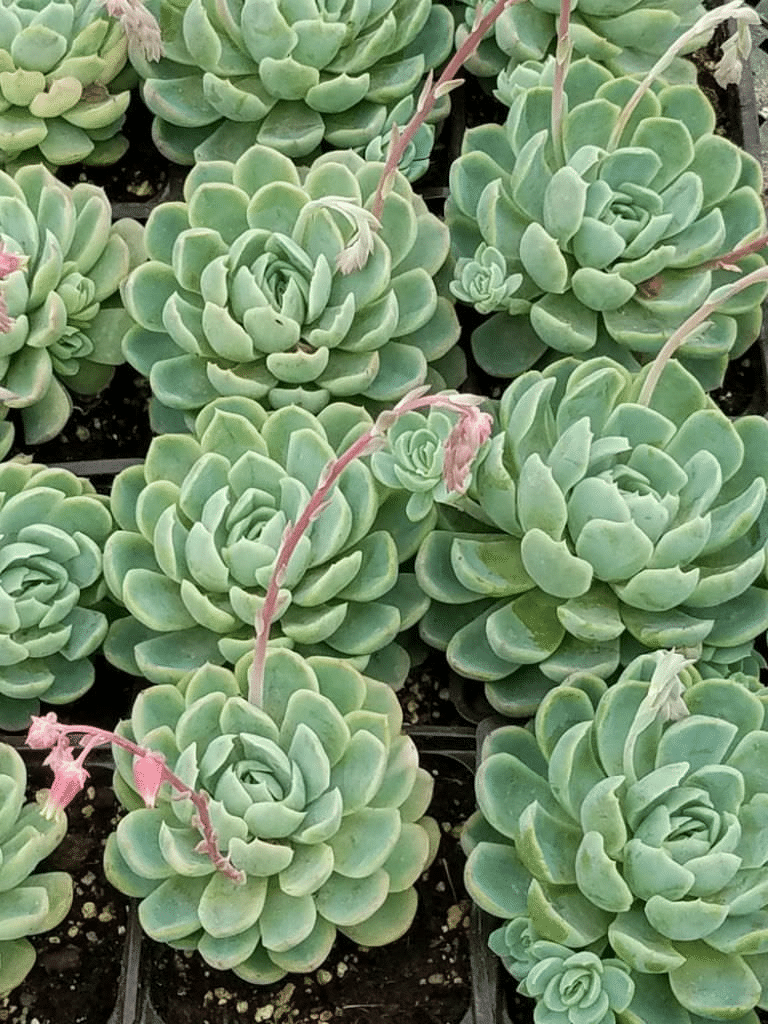
9. Echeveria
Echeveria is a beautiful succulent recognized for its symmetrical, rose-shaped leaves. It comes in many colors, including green, blue-gray, pink, and purple. These plants need plenty of bright light to maintain their compact shape, making a bright west-facing window a suitable location.
Echeverias are especially attractive in small pots arranged along a sunny windowsill. Their sculptural appearance works well with minimalist, rustic, and modern home decor. However, if the plant has been kept in low light, gradually increase its exposure to direct sunshine.
Tip: Use a gritty succulent potting mix, provide excellent drainage, and water the soil rather than pouring water into the center of the rosette.
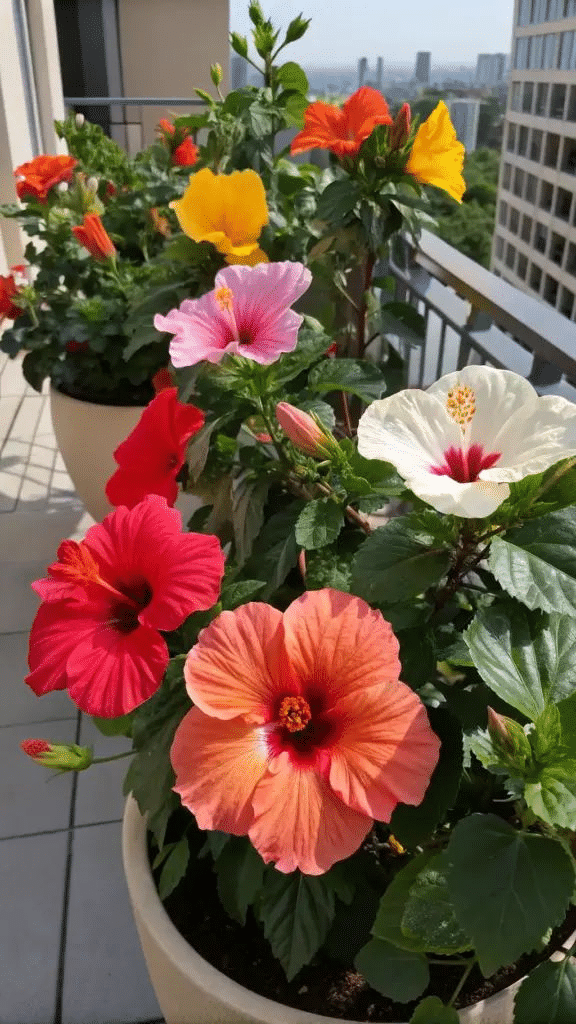
10. Hibiscus
If you want a flowering plant near your west-facing window, Hibiscus is worth considering. Its large, colorful flowers can bring a tropical feel to your home, while its green foliage adds freshness throughout the year. Hibiscus generally needs several hours of bright sunlight to flower well, so a sunny west-facing location can be helpful.
However, indoor hibiscus plants need consistent care. They prefer warmth, adequate light, and regular watering during active growth. Strong afternoon sunshine may be beneficial, but watch the leaves for signs of scorching, particularly during hot weather.
Tip: Place your hibiscus in the brightest suitable spot and keep the soil evenly moist without allowing the roots to sit in standing water.
11. ZZ Plant
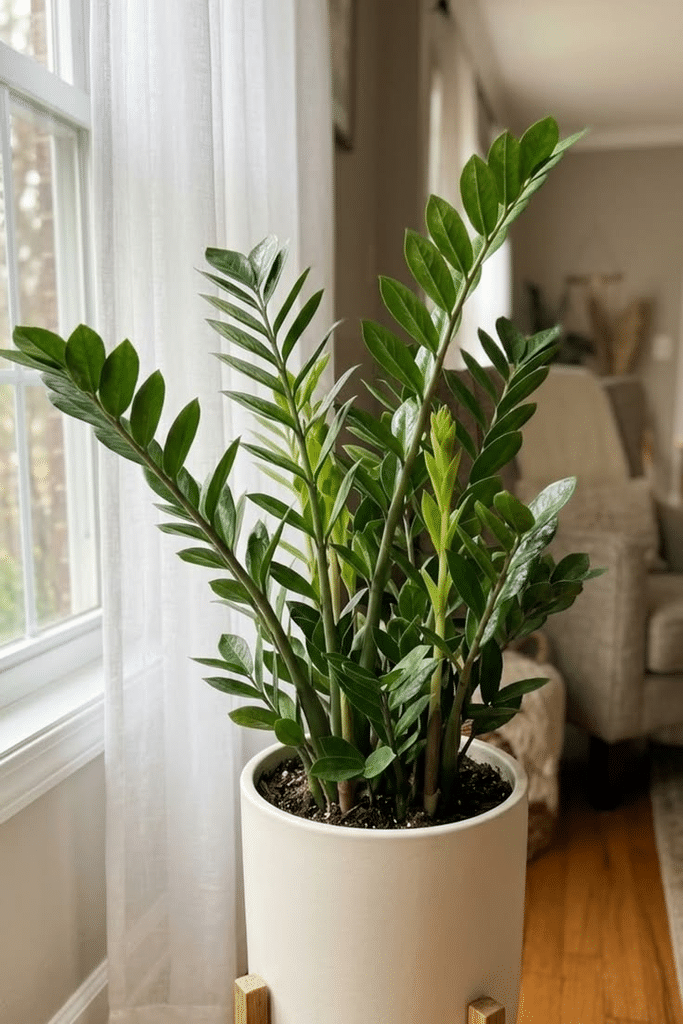
The ZZ Plant (Zamioculcas zamiifolia) is a popular choice for people who want an attractive indoor plant without complicated care routines. Its thick stems and shiny, deep-green leaves create a neat appearance that suits almost any interior style.
Although it can tolerate low-light conditions, the ZZ Plant also grows well in bright, indirect light. A west-facing window can provide enough brightness, but it is best to keep the plant away from intense direct afternoon sunshine. Its underground rhizomes store water, allowing it to handle occasional missed watering.
Tip: Let the potting mix dry out between waterings and always use a container with drainage holes. Remember that ZZ plants are toxic if chewed, so keep them away from pets and children.
Tips for Growing Indoor Plants Near West-Facing Windows
Choosing suitable plants is only part of creating a healthy indoor garden. A few simple adjustments can help your plants enjoy the afternoon light without becoming stressed.
- Observe the sunlight: Check how much direct sunlight reaches your window throughout the afternoon. Light intensity can change with the season.
- Use sheer curtains: A lightweight curtain can soften strong afternoon rays while still allowing plenty of natural light inside.
- Avoid sudden changes: Move plants gradually when adjusting their position or increasing their exposure to sunlight.
- Check soil moisture: Do not water every plant on the same schedule. Succulents and tropical plants have different watering needs.
- Rotate your pots: Turning plants occasionally can encourage more balanced growth.
- Watch for leaf damage: Brown, crispy patches or bleached leaves may indicate too much direct sunlight.
- Choose proper containers: Pots with drainage holes help prevent water from collecting around the roots.
Final Thoughts
West-facing windows can provide an excellent growing environment for many indoor plants, especially those that enjoy bright light and some afternoon sunshine. From easy-care Snake Plants and Aloe Vera to colorful Crotons and tropical Bird of Paradise plants, there are plenty of options to suit different spaces and gardening styles. The key is to understand each plant’s light and watering requirements rather than placing every plant directly on the windowsill. With the right positioning and a little attention, you can turn a sunny window into a beautiful indoor garden.
Frequently Asked Questions
1. Are west-facing windows good for indoor plants?
Yes. West-facing windows generally receive bright afternoon sunlight, making them suitable for many succulents, tropical plants, and other houseplants that enjoy bright conditions.
2. Do west-facing windows get direct sunlight?
Yes. They usually receive direct sunlight during the afternoon and early evening. The amount and intensity depend on the season, window size, and surrounding buildings.
3. Which indoor plants grow best in west-facing windows?
Aloe Vera, Jade Plant, Snake Plant, Rubber Plant, Croton, Ponytail Palm, and Echeveria are good options, depending on how much direct sunlight the window receives.
4. Can indoor plants get sunburned through a west-facing window?
Yes. Strong afternoon sunlight through glass can scorch sensitive leaves. Move plants slightly away from the window or use a sheer curtain if you notice brown or bleached patches.
5. Should I water indoor plants more often near a west-facing window?
Not necessarily. A sunny location may cause soil to dry faster, but watering needs depend on the plant, pot size, temperature, and soil. Always check the soil before watering.
6. Are succulents suitable for west-facing windows?
Yes. Many succulents, including Aloe Vera, Jade Plant, and Echeveria, enjoy bright light. Introduce them to stronger direct sunlight gradually to prevent scorching.
7. Can low-light plants survive in west-facing windows?
Some low-light-tolerant plants can grow near west-facing windows, but they may need protection from strong afternoon rays. Position them farther from the glass or behind a sheer curtain.
SEO Meta Description: Discover 11 best indoor plants for west-facing windows, from easy-care succulents to tropical favorites, with simple sunlight and watering tips.