
1. Naqsh-e Jahan Square
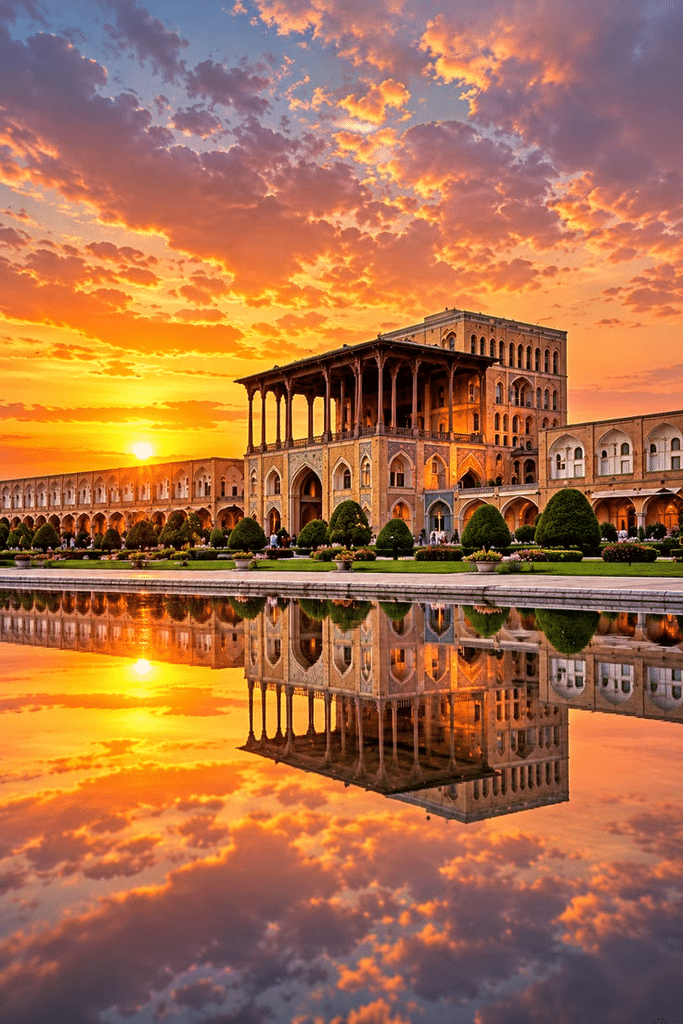
Naqsh-e Jahan Square is the heart of Isfahan and one of its most impressive historical attractions. Surrounded by magnificent mosques, Ali Qapu Palace, and traditional bazaar entrances, the square offers a wonderful introduction to Persian architecture and culture. Take time to explore its beautiful arcades, admire the fountains, and enjoy the lively atmosphere.
2. Imam Mosque
Located on the southern side of Naqsh-e Jahan Square, Imam Mosque is famous for its impressive dome, colorful mosaics, and intricate Islamic architecture. Its grand entrance and beautifully decorated prayer halls showcase the artistic achievements of the Safavid period. Look closely at the detailed tilework and explore the peaceful courtyard.
3. Sheikh Lotfollah Mosque
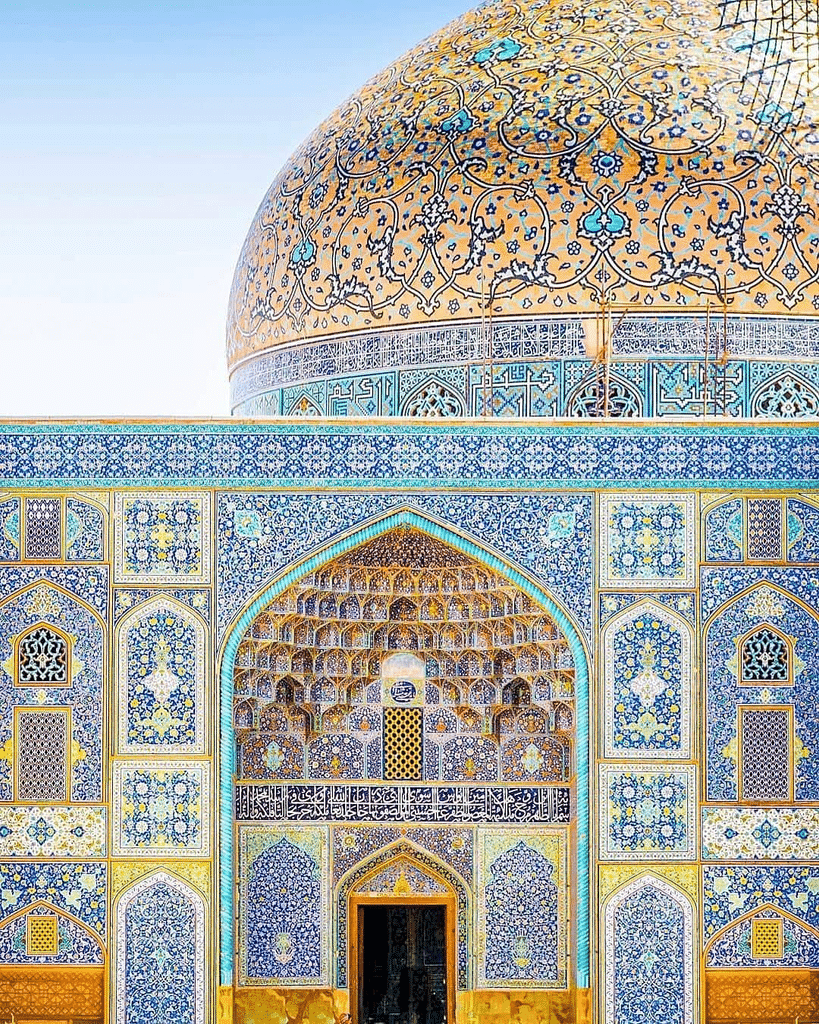
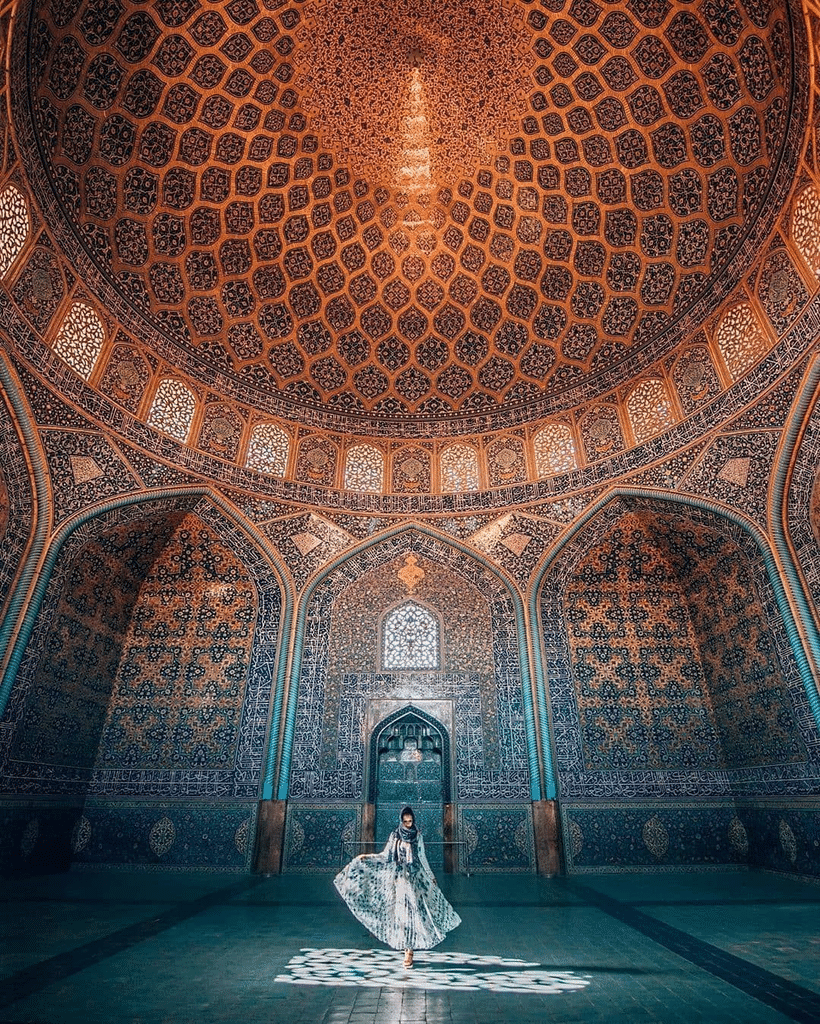
Sheikh Lotfollah Mosque is one of Isfahan’s most beautiful architectural treasures. Its elegant cream-colored dome features delicate patterns that create a stunning visual effect, while the interior reveals remarkable tilework and artistic details. Unlike many larger mosques, it was originally built for the royal court rather than public congregational worship.
4. Ali Qapu Palace
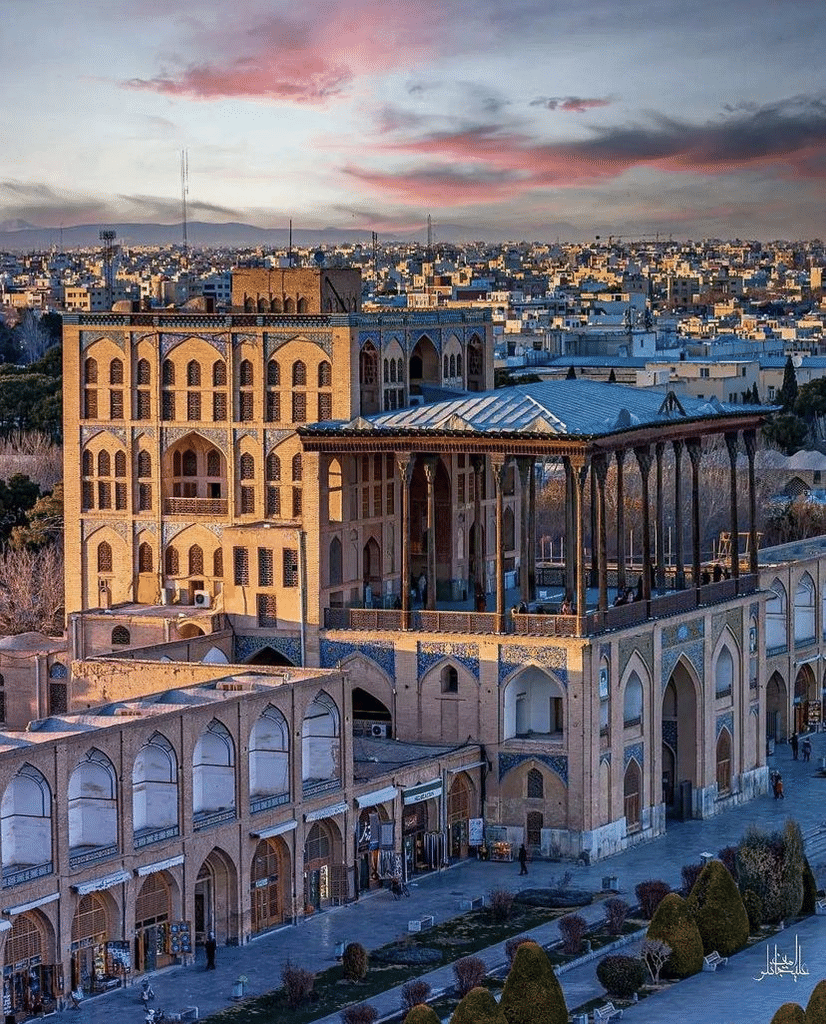
Ali Qapu Palace stands proudly along the western side of Naqsh-e Jahan Square and once served as a royal residence and reception space. Its impressive terrace offers beautiful views across the square, while the interior features decorative paintings and a remarkable music room with carefully designed acoustic details. It is a wonderful place to discover the luxurious lifestyle of the Safavid royal court.
5. Chehel Sotoun Palace
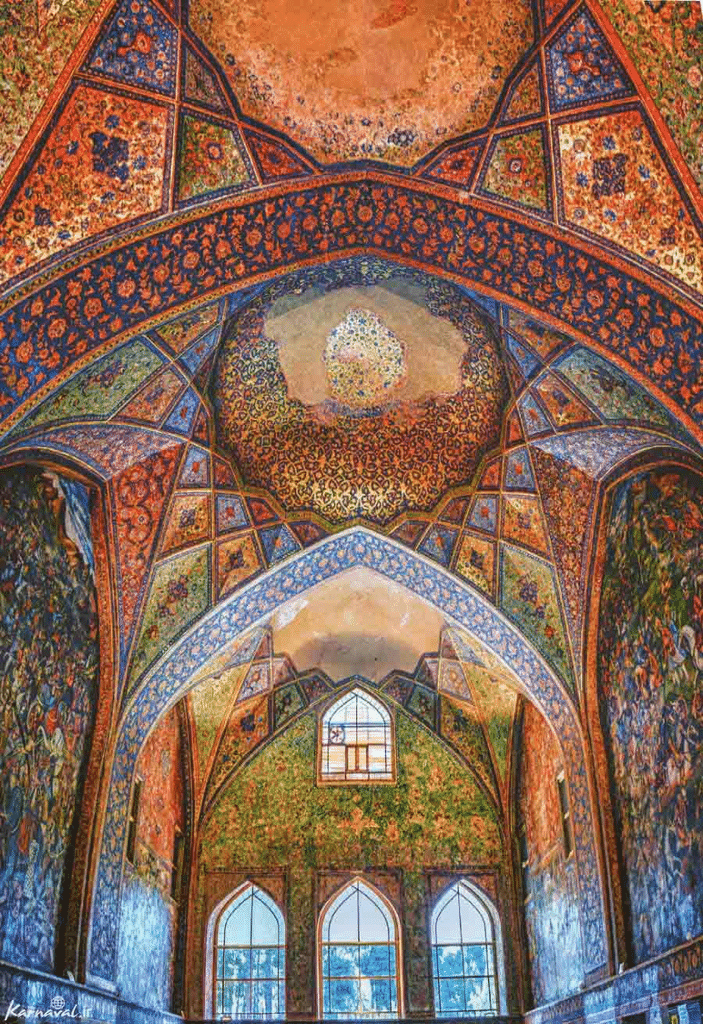
Chehel Sotoun Palace is a beautiful historical pavilion surrounded by a peaceful Persian garden and reflecting pool. Its name means Forty Columns, referring to the palace’s twenty wooden columns and their reflections in the water. Inside, visitors can admire impressive historical murals, decorative artwork, and architectural details that reveal the grandeur of royal life.
6. Jameh Mosque of Isfahan
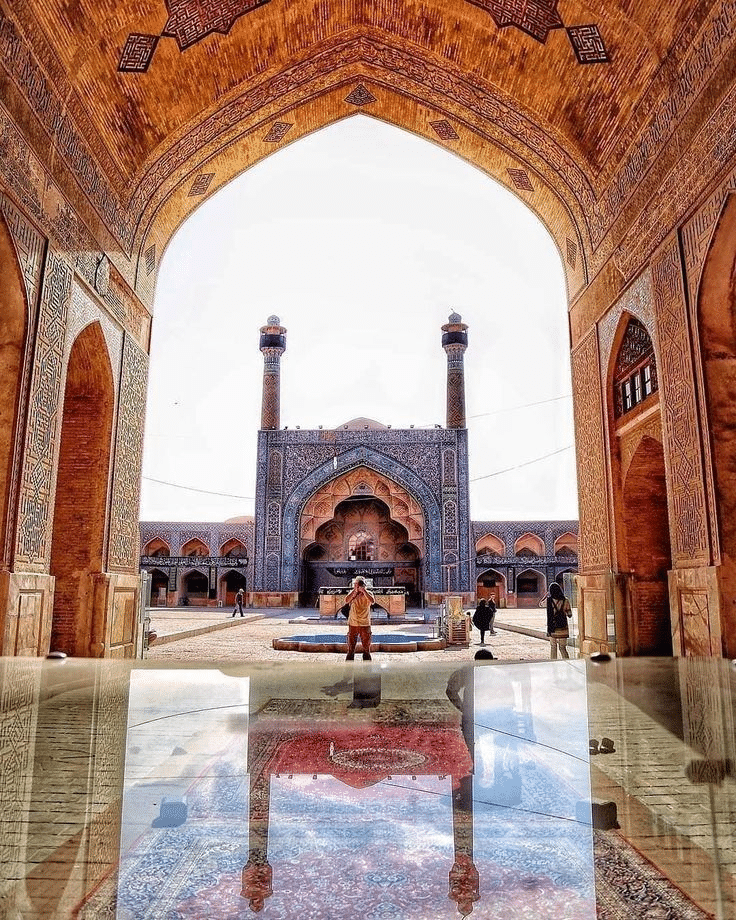
The Jameh Mosque of Isfahan is an extraordinary landmark that reflects more than a thousand years of Islamic architectural development. Its large courtyard, beautiful domes, brickwork, and impressive iwans make it different from the city’s Safavid-era monuments. History and architecture enthusiasts will especially appreciate the different styles and construction periods visible throughout the complex.
7. Si-o-se-pol Bridge
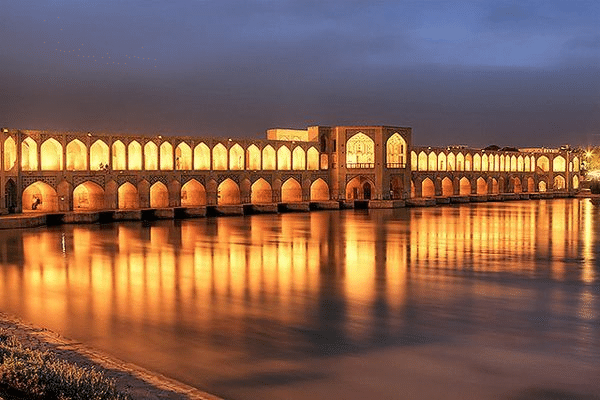
Si-o-se-pol, also known as the Bridge of 33 Arches, is one of Isfahan’s most recognizable landmarks. Built during the Safavid period, this elegant stone bridge stretches across the Zayandeh Rud and features a long sequence of arches. Visit in the evening to enjoy the beautiful lighting and experience the lively atmosphere around this historic meeting place.
8. Khaju Bridge
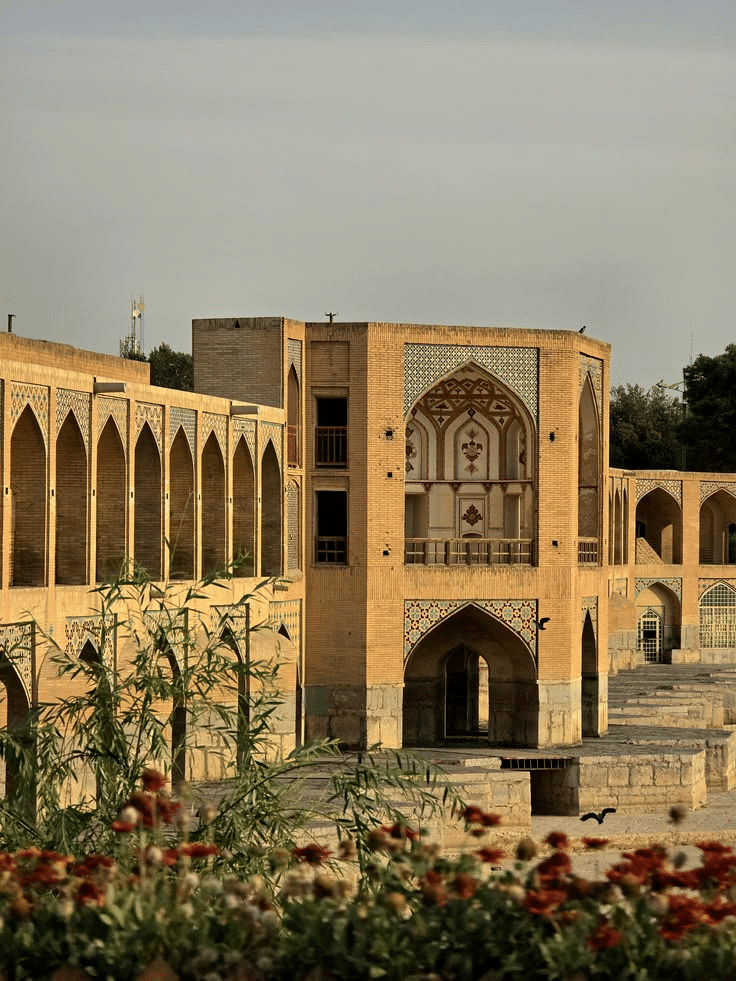
Khaju Bridge is another remarkable example of Safavid engineering and architecture. Its decorative tilework, symmetrical arches, and central pavilion make it particularly interesting to explore. The bridge is also known as a popular gathering place where locals enjoy conversations, poetry, and music, especially during the evening.
9. Vank Cathedral
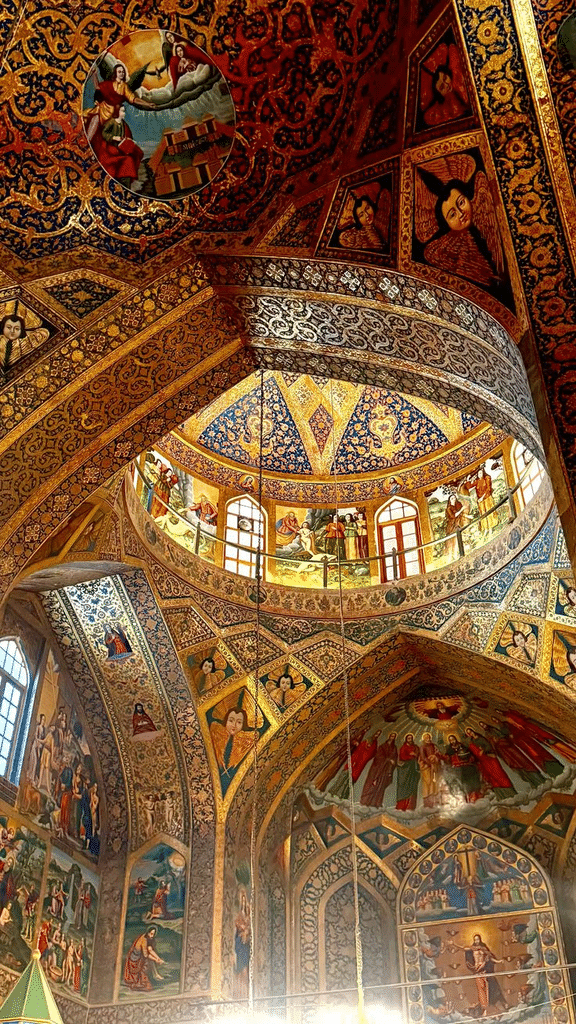
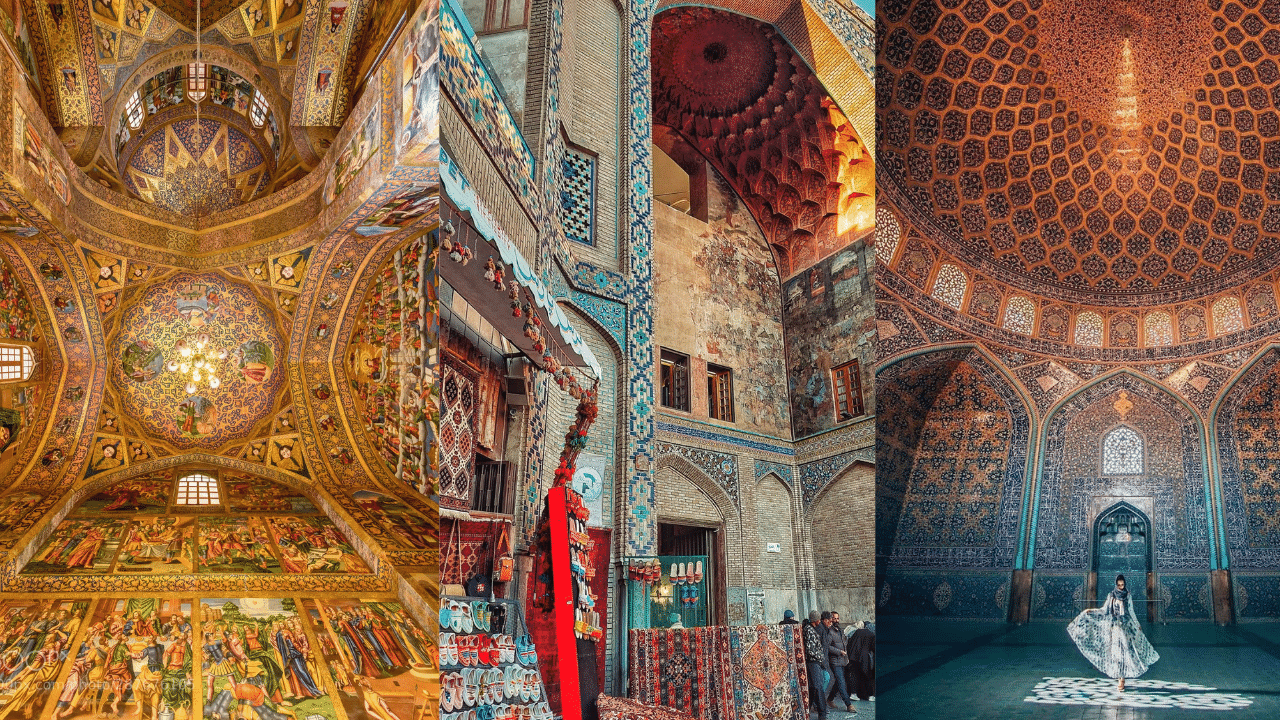
Located in Isfahan’s historic Armenian neighborhood of New Julfa, Vank Cathedral offers a fascinating contrast to the city’s Islamic monuments. Its interior is decorated with colorful biblical frescoes, detailed paintings, and beautiful ornamental designs. Visitors can also explore the museum to learn more about the history and cultural heritage of the Armenian community in Isfahan.
10. Grand Bazaar of Isfahan
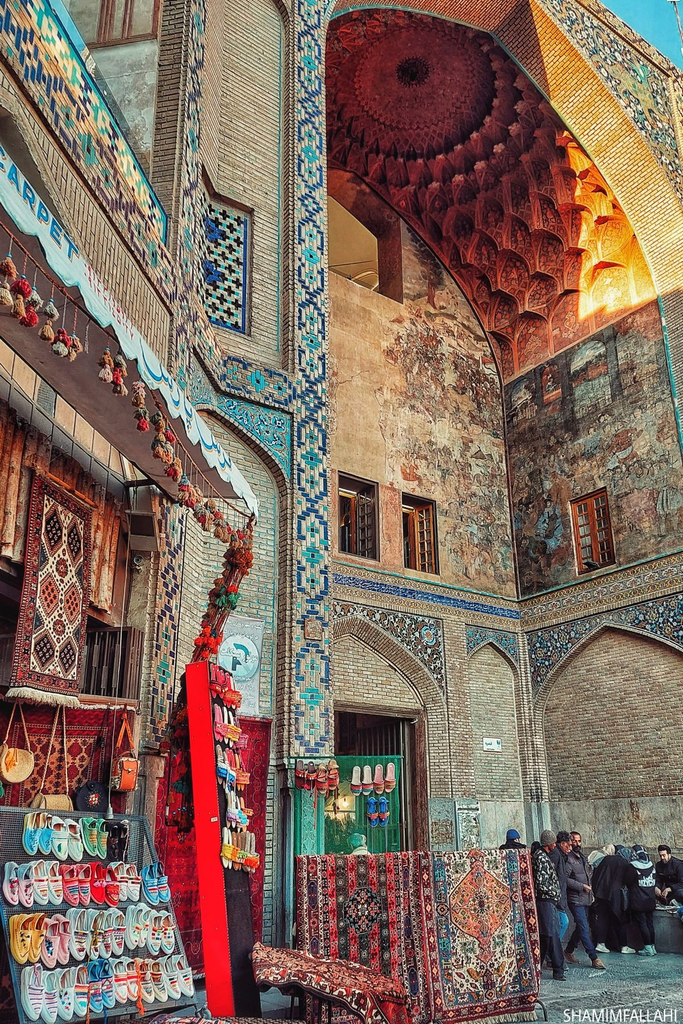
The Grand Bazaar is a wonderful place to experience the traditional atmosphere of Isfahan. Its historic passageways are filled with shops selling Persian carpets, miniature paintings, copperware, textiles, and handmade souvenirs. Beyond shopping, exploring the bazaar allows you to appreciate traditional craftsmanship and discover the city’s lively commercial heritage.
11. Hasht Behesht Palace
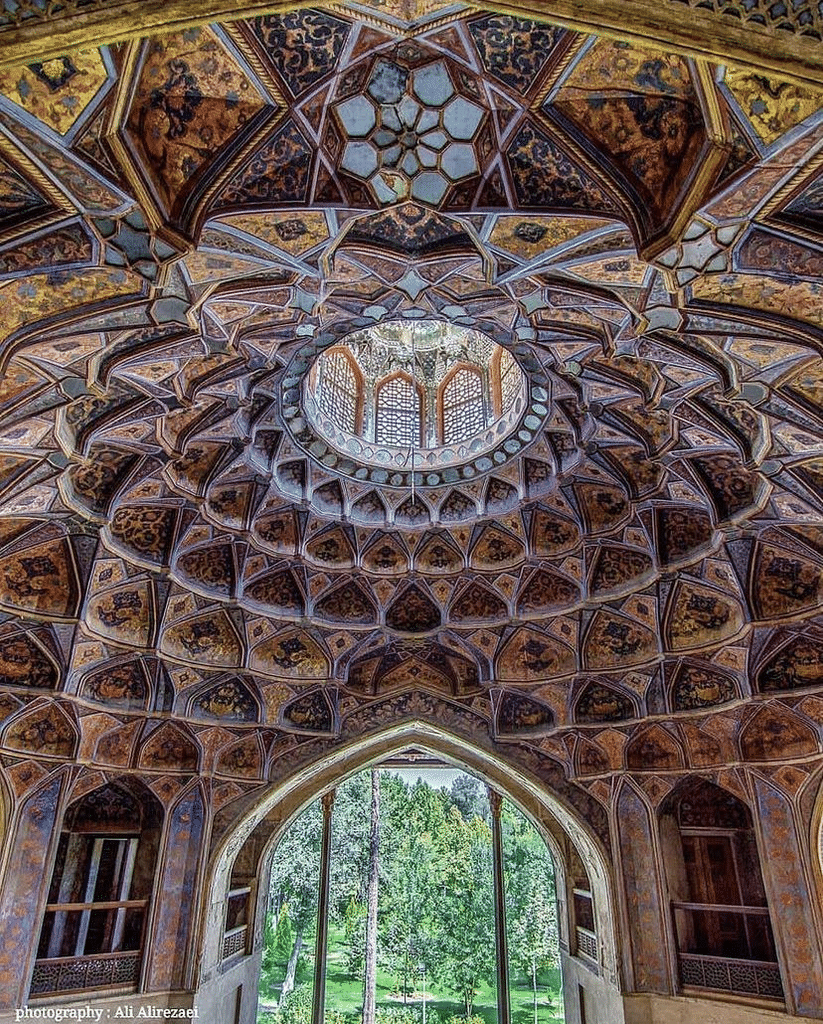
Hasht Behesht Palace, meaning Eight Paradises, is a charming historical pavilion surrounded by greenery. Its elegant architecture features decorative ceilings, colorful tilework, and beautiful interior details. Although smaller than some of Isfahan’s famous royal landmarks, it offers a peaceful atmosphere and a lovely glimpse into Safavid palace design.
12. Chahar Bagh Avenue
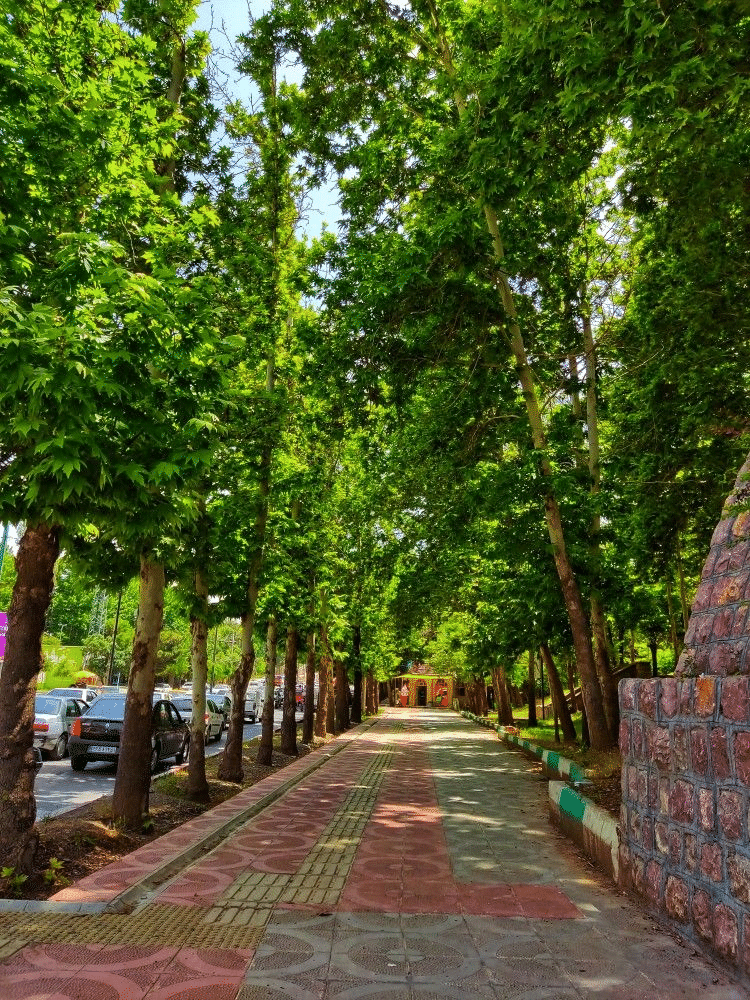
Chahar Bagh Avenue is one of Isfahan’s historic streets, known for its tree-lined pathways, traditional atmosphere, and connections to important city landmarks. Originally developed during the Safavid period, it was designed as an elegant avenue for walking and enjoying the surrounding gardens. Today, it is a pleasant place to explore local life, architecture, cafés, and shops.
Practical Tips for Visiting Isfahan
- Allow enough time: Two to three days is a comfortable starting point for exploring the city’s major historical attractions.
- Start at Naqsh-e Jahan Square: Several famous landmarks are located around the square, making it a convenient place to begin sightseeing.
- Visit the bridges in the evening: Si-o-se-pol and Khaju Bridge are especially atmospheric after sunset.
- Wear comfortable shoes: Historic streets, courtyards, and bazaar passageways involve plenty of walking.
- Dress respectfully: Follow local clothing requirements when visiting religious sites.
- Check opening times: Mosque and museum schedules can change, particularly around religious holidays and prayer times.
- Explore local crafts: Look for traditional Persian carpets, miniature paintings, enamelwork, and other handmade souvenirs.
Final Thoughts
Isfahan is a city where history, architecture, and everyday life come together beautifully. From the magnificent Naqsh-e Jahan Square and its surrounding monuments to the peaceful gardens, historic bridges, and Armenian heritage of New Julfa, every landmark offers something different to discover. If this is your first visit, take your time exploring these twelve attractions and enjoy the unforgettable beauty of one of Iran’s most fascinating historic cities.
Frequently Asked Questions
1. What is the most famous landmark in Isfahan?
Naqsh-e Jahan Square is arguably Isfahan’s most famous landmark. It is surrounded by important historical monuments and is recognized as a UNESCO World Heritage Site.
2. How many days should I spend in Isfahan?
Two to three days is a good starting point for visiting the major landmarks, exploring the traditional bazaar, and enjoying the city’s historic bridges.
3. What is the best time to visit Isfahan?
Spring and autumn are generally pleasant seasons for sightseeing, with more comfortable temperatures for walking around the city.
4. Are Isfahan’s main attractions close to each other?
Many famous attractions, including Imam Mosque, Sheikh Lotfollah Mosque, Ali Qapu Palace, and the Grand Bazaar, are clustered around Naqsh-e Jahan Square. Other landmarks, such as Vank Cathedral and the historic bridges, require a little more travel.
5. What is Isfahan famous for?
Isfahan is famous for its Persian architecture, historic mosques, beautiful bridges, traditional bazaars, intricate tilework, handicrafts, and rich Safavid heritage.
SEO Description
Discover 12 must-see Isfahan landmarks, including Naqsh-e Jahan Square, historic mosques, beautiful palaces, iconic bridges, and Vank Cathedral.